
Ever checked your car's oil lately? It might be trying to tell you something important about your engine's health. A simple dipstick check can reveal if things are running smoothly or if you might be heading for trouble. In this post, we'll walk you through an easy, hands-on way to check your oil level. Stick around to see how a few straightforward steps can keep your engine happy and ready for the road.
Fast Oil Level Check Procedure: Prerequisites and Dipstick Steps
Park your car on a level spot and let the engine chill for at least 10 minutes after you've been driving. This waiting game lets the oil settle in the pan and keeps you from getting burned. It also gives you a more accurate reading of the oil.
Before you get started, put on some protective gloves and high-visibility clothes if you’re checking the oil in a busy area or roadside. And hey, take a minute to read your owner’s manual for any tips specific to your car. This little prep work makes the dipstick check more reliable and keeps your maintenance on track.
- Park on a flat surface and turn off the engine. Let it cool for a minimum of 10 minutes.
- If you’ve been driving for 15 to 20 minutes, wait a bit longer so the oil can settle.
- Open the front of your car and look for the dipstick, usually marked with a bright handle.
- Carefully pull the dipstick out so you don’t splash any oil.
- Grab a lint-free rag (fold it so no bits fall back into the engine) and wipe the dipstick clean.
- Put the dipstick all the way back into its tube.
- Pull it out again and check the oil level against the minimum and maximum marks.
The dipstick reading tells you how much oil your engine has. If the oil reaches or goes above the halfway line between the marks, your oil level is just right, and you don’t need to add more. But if it’s a bit below halfway or under the minimum mark, it’s a sign to add oil slowly in 100 mL doses using a funnel. This careful approach helps avoid overfilling and keeps your engine purring smoothly.
Interpreting Oil Level Indicators: Dipstick vs. Dashboard Readings
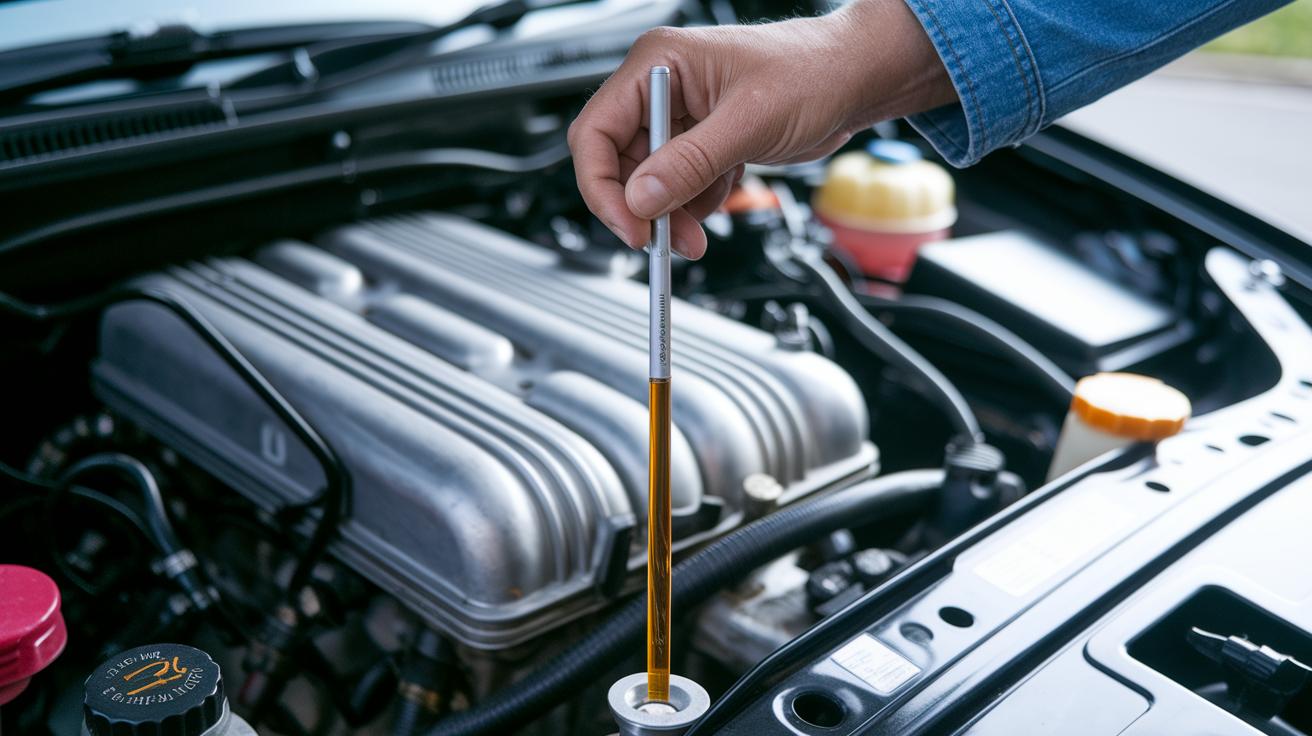
A traditional dipstick check is a real hands-on way to see your engine’s oil level. The dipstick has marks, usually lines or little holes, that tell you the safe range from low to high. You pull it out, wipe off the oil, put it back in, and then take a look at the level. This simple step-by-step check shows if your oil is just right or if something’s off, like if it looks thick or gritty, which could mean impurities are in the mix.
Some newer cars use digital gauge readings that show your oil level in real-time right on the dashboard. These sensors send signals that light up icons or flash warning messages if the oil gets too low or reaches a critical level. While you might love the convenience of a digital readout, it can miss the small changes in oil quality that a dipstick would catch. Overfilling can also turn tricky; too much oil can cause foaming, and too little oil might lead to engine noise or even trigger warning lights.
| Indicator | Issue |
|---|---|
| Oil near or below the minimum mark | Can cause engine noise and poor lubrication |
| Oil above the maximum mark | Risk of foaming and pressure build-up |
| Thick, gritty texture | Suggests possible engine contamination |
| Milky appearance | Could indicate coolant is mixing with oil (a sign of a leak) |
These checks, whether by dipstick or digital display, work hand in hand to help you keep your engine running smoothly, drop by drop.
Proper Oil Top-Up: Safe Refill Procedure
Before you start refilling, let the engine cool down and take a moment to check your owner's manual for the right type of oil. Gather your supplies, like the proper oil and a funnel, and set yourself up for a smooth, safe top-up.
Here’s how to do it right:
- Place a funnel in the fill port so the oil goes in cleanly.
- Pour about 100 mL of oil at a time. After each little pour, give it a moment to settle.
- After every 100 mL, pull out the dipstick to see if the oil level falls between the minimum and maximum marks.
- Don’t dump an entire container of oil all at once; adding too much too quickly can lead to engine troubles.
- Finally, put the dipstick back in fully, then pull it out again to double-check that the oil is at a safe level.
Make sure the oil you choose matches the grade and viscosity your car’s manual advises, sometimes your car might do better with synthetic or high-mileage oil depending on how it's built and used. Taking these careful steps and following your manual helps your engine run better and last longer.
Overfilling can cause oil to foam, build up extra pressure, or even harm engine parts, so it's best to add oil slowly and keep checking with the dipstick. A step-by-step approach is the easiest and safest way to keep your engine balanced and your car running smoothly.
Routine Inspection Timing for Optimal Oil Maintenance
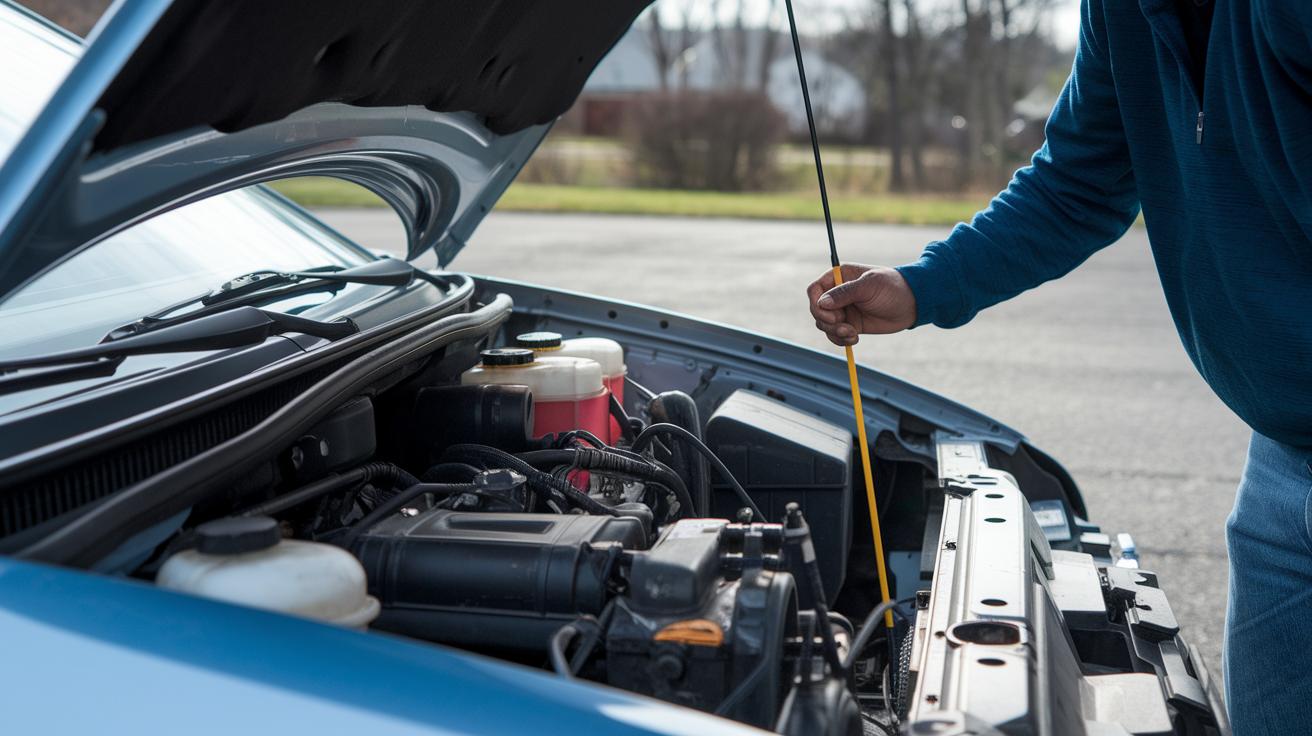
Keeping an eye on your oil is key to a happy engine. I usually check it every few weeks and right before setting out on a long trip. After a lengthy drive, let your engine cool off a bit so you get a true reading. In really hot or cold weather, it's wise to peek under the hood more often to catch any issues early. I always follow my owner’s manual guidelines, typically, that means an oil check every 3,000–5,000 miles.
| What to Do | When |
|---|---|
| Check the oil level | Every few weeks and before long trips |
| Inspect oil in extreme temperatures | More frequently |
| Let engine cool after long drives | Before checking oil |
| Follow owner’s manual mileage checks | Approximately every 3,000–5,000 miles |
Adjust your inspection schedule based on your driving habits and the weather. Trust your car’s signals and the manufacturer’s advice, and your engine will stay in top shape.
Final Words
In the action, we explored a clear guide on checking your oil level in car, from parking safely and cooling the engine to using the dipstick with care. We also broke down steps for proper top-ups and offered tips on spotting oil warnings via both dipstick and dashboard readings.
This guide serves as a handy reminder to inspect your oil routinely and follow simple steps to keep your engine happy. Keep up with these tips to make every drive smoother and more enjoyable.
FAQ
Should I check my oil when the engine is hot or cold, and should the car be on or off?
Checking oil when the engine is cool gives you the most accurate reading. With the car off, the oil settles, reducing the risk of burns and ensuring a proper level check.
What does the engine oil level indicator show?
The indicator on your dipstick or dashboard displays whether your oil is low, at a safe level, or overfilled. It guides you in keeping your engine properly lubricated.
How can I check the oil level on my car’s dashboard?
Modern dashboards sometimes give a real-time oil level readout using sensors. This digital display alerts you to any low oil conditions for timely maintenance.
How do I read the oil dipstick correctly and what does it tell me?
The dipstick reading starts by pulling it out, wiping it clean, reinserting, and then checking the oil mark against the marked minimum and maximum lines. This step-by-step process confirms your oil level precisely.
What does it mean if my dipstick shows an oil level that is too high?
A reading above the maximum mark means you’ve overfilled your oil. Too much oil can cause issues like foaming, which may affect engine performance.
Why should I check engine oil when the oil is warm?
Evaluating warm oil makes it flow more smoothly, offering a clearer and more accurate reading on the dipstick. This helps in spotting the correct levels over minor discrepancies.
What level should oil be in a car?
Your oil should rest between the dipstick’s minimum and maximum marks. Staying within this range supports optimal engine function and longevity.
Can I drive if my oil level is low, or can I just add oil to my car?
Driving with low oil risks engine damage, so it’s best to top up the oil immediately to reach the correct level. Always check the level after adding oil to avoid further issues.