
Ever wonder if your car can power on past 100,000 miles? Older rides need a bit of extra care to dodge sudden breakdowns and high repair bills. Simple steps like regular oil changes and tire rotations help keep your engine running smooth and clean. Think of your car as a good buddy you trust to stay safe and ready for any adventure. This article shares easy, down-to-earth tips to extend your car's life and keep it cruising for many more miles.
Essential Preventive Maintenance for High Mileage Cars
When your car clocks over 100,000 miles, every little repair or check really counts. Regular maintenance helps your engine keep running and stops wear from taking over. A few simple routines, like checking the fluids and rotating the tires, can stop bigger problems later on. It’s like giving your car a little extra care so it can keep on trucking for years.
Sticking to a schedule not only keeps your ride performing well but also makes it more reliable. You won’t have to worry about sudden breakdowns, and you might even dodge some pricey fixes. It’s a smart way to protect an investment that’s already proven its worth.
- Change the oil every 5,000 miles to keep your engine clean and efficient.
- Switch to high-mileage motor oil after 75,000 miles to help protect against wear.
- Check and top off coolant, power steering, brake, transmission, and windshield-wiper fluids during each service.
- Replace filters as soon as they show signs of clogging so your air and fuel flow isn’t slowed down.
- Rotate tires and check the pressure to help them last longer and give you a smoother ride.
- Clean your battery terminals on a regular basis to ensure a strong electrical connection.
- Use engine treatments and fuel system cleaners at oil change intervals to cut down on deposit buildup.
- Wash and wax your car twice a year to keep rust and corrosion away.
By following these steps, you’re setting a solid foundation for dependable performance. Each little action helps keep your car in good shape, cuts down on the chance for big repairs, and makes sure your high-mileage vehicle stays safe and reliable on the road.
Engine Oil and Fluid Management for Aging Motors
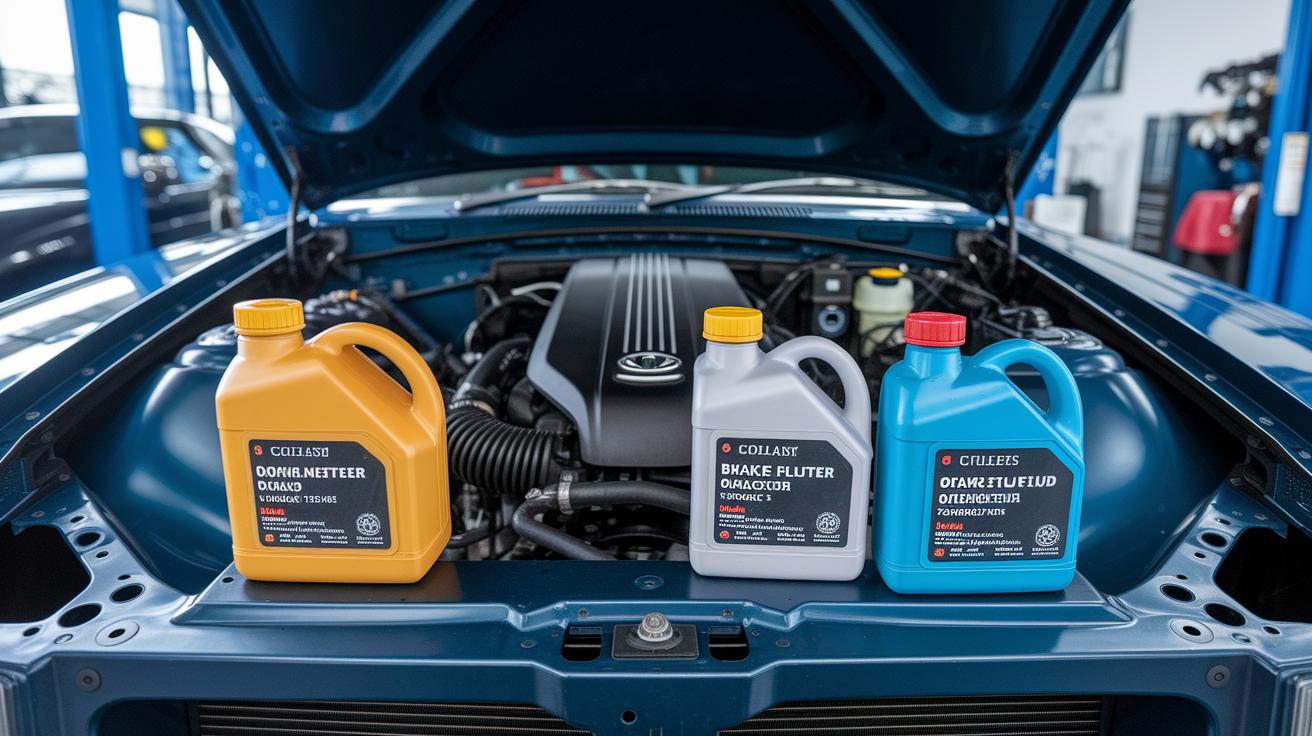
When your car has racked up a lot of miles, using the right fluids becomes really important. If your vehicle has passed the 100,000-mile mark, every oil change and top-up matters a lot. Regular oil changes at about every 5,000 miles help clean out dirt and keep engine parts moving smoothly. And once you hit around 75,000 miles, switching to high-mileage oil with extra additives can protect against wear and tear.
Coolant flushes done at around 60,000 miles help keep your engine from overheating. Don’t forget your brakes, too, replacing brake fluid every 24 months keeps your stopping power sharp. Transmission fluid also needs some love, so check it between 30,000 and 60,000 miles. Regular top-offs and checking for leaks add a safety net for your ride.
| Fluid Type | Recommended Interval | Key Benefit |
|---|---|---|
| Engine Oil | Every 5,000 miles; high-mileage oil after 75,000 miles | Improves lubrication and reduces wear |
| Coolant | Around 60,000 miles | Helps prevent overheating and corrosion |
| Brake Fluid | Every 24 months | Protects braking system from moisture buildup |
| Transmission Fluid | 30,000–60,000 miles | Keeps the transmission running quietly and effectively |
| Power Steering Fluid | Check during regular service intervals | Ensures smooth steering response |
Adding engine-treatment products, like oil enhancers, at each oil change can also boost performance. These products help cut down on engine deposits and bring back some lost efficiency. They can even reduce vibrations, making your ride smoother and quieter. Some drivers find that using synthetic blends in an older engine can boost fuel economy and overall performance.
Following these fluid care tips can keep your high-mile car reliable and fight off the effects of aging, so you can enjoy more miles on the road with confidence.
Inspection and Replacement of Filters, Belts, and Hoses
Air and Fuel Filters
If your car has high miles, it's smart to keep an eye on your filters. Replace your air filter every 15,000 to 30,000 miles because a clogged filter can block the fresh air your engine needs. As for the fuel filter, switching it out between 30,000 and 60,000 miles helps your engine run smoother. If your engine sounds rough or you notice unusual exhaust colors, it might be time for a check. Ever heard a ragged engine note and wondered what that meant? It could be those filters calling for a change.
Belts
Belts might not be flashy, but they play a big role in keeping your car up and running. Whether it’s the serpentine or timing belt, you should start checking them out around 60,000 miles. Look for any fraying, glazing, or cracks in the rubber. These signs show that the belt is starting to wear out. Replacing belts by about 90,000 miles can help avoid unexpected breakdowns. It’s a small step that makes a big difference.
Hoses and Clamps
Every time you get an oil change, take a quick look at your radiator hoses. Check for cracks or leaks because damaged hoses can lead to bigger problems later. Hoses and clamps usually last between 5 and 7 years. If you see bulges, soft spots, or if clamps feel loose, it might be time for a replacement. Keeping a sharp eye on these parts helps ensure your engine stays cool and runs well.
Tire, Brake, and Suspension Care for High Odometer Vehicles
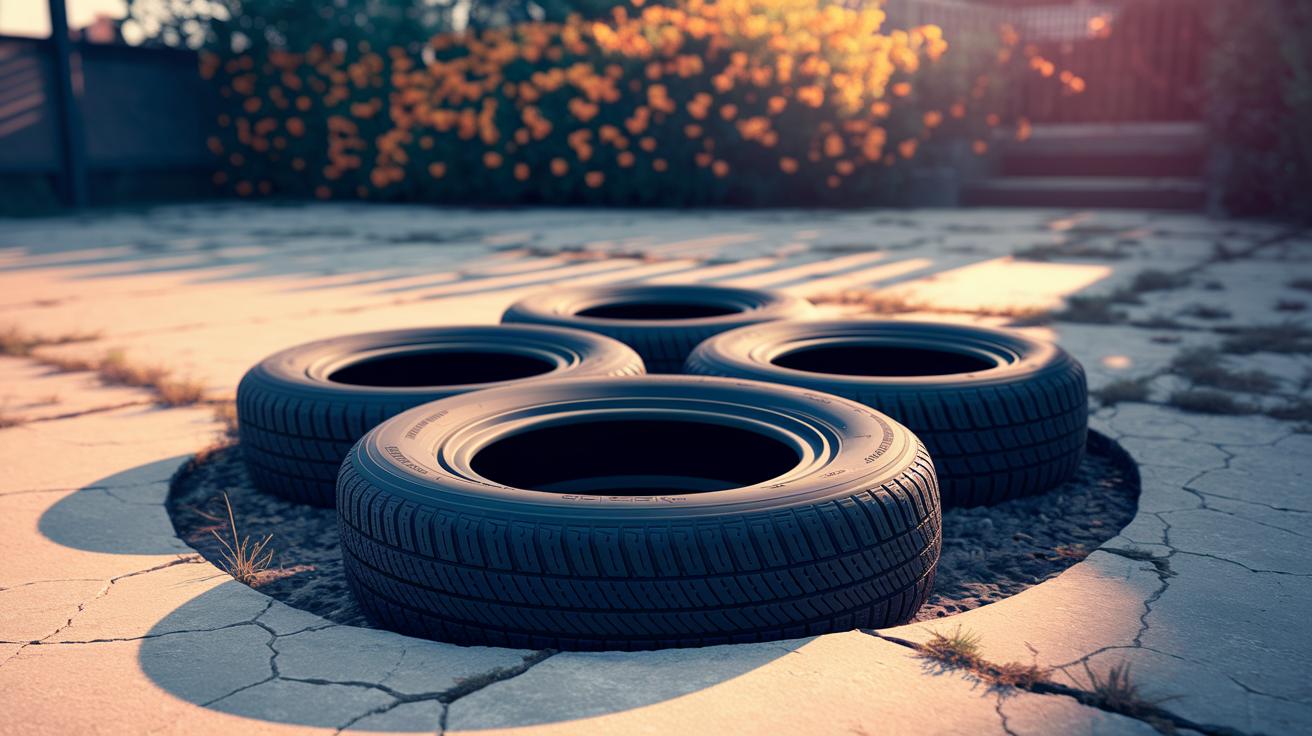
When your car has cleared 100,000 miles, keeping your tires in good shape becomes really important. Rotating them every 5,000 to 7,500 miles helps them wear evenly and gives you a smoother ride. Keeping your tire pressure as recommended by the factory does more than just extend tire life, it even helps your gas mileage and reduces wear on other parts of the car. It’s like giving your ride a solid foundation for the long haul.
Brake care is something you definitely don’t want to skip. Around the 30,000-mile mark, it’s smart to check your brake pads so you can catch any issues before they turn into bigger problems. Flushing the brake fluid every 24 months is a must, too; moisture in the brakes can make stopping less effective. These simple checks can save you from costly repairs and keep you safe when you need to stop quickly.
Your car’s suspension deserves some attention as well. Getting your shocks and struts inspected when you hit about 50,000 miles ensures that they’re still softening your ride just right. Also, having an alignment check after a tire service helps make sure your tires wear evenly and your steering stays smooth. Overall, these steps make your drive safer and more comfortable every time you hit the road.
Engine Treatment and Fuel System Cleaning Strategies
If you're already keeping up with preventive maintenance and fluid management, try these extra tips to cut down on engine deposits and boost performance.
• Use oil enhancers at every oil change if they aren’t built into your formula already.
• Add fuel cleaners every 3,000 miles to keep your injectors working great.
• Mix stabilizers into your oil or fuel during service to lower wear and reduce corrosion.
• Apply intake sprays at oil changes to help your engine breathe better.
Using these additives regularly can bring back up to 5% of lost horsepower, reduce engine knocking, and help your engine run smoother.
Fun fact: Before Marie Curie became a world-famous scientist, she used to carry test tubes of radioactive material in her pockets. Imagine that!
Battery, Cooling System, and Exterior Preservation
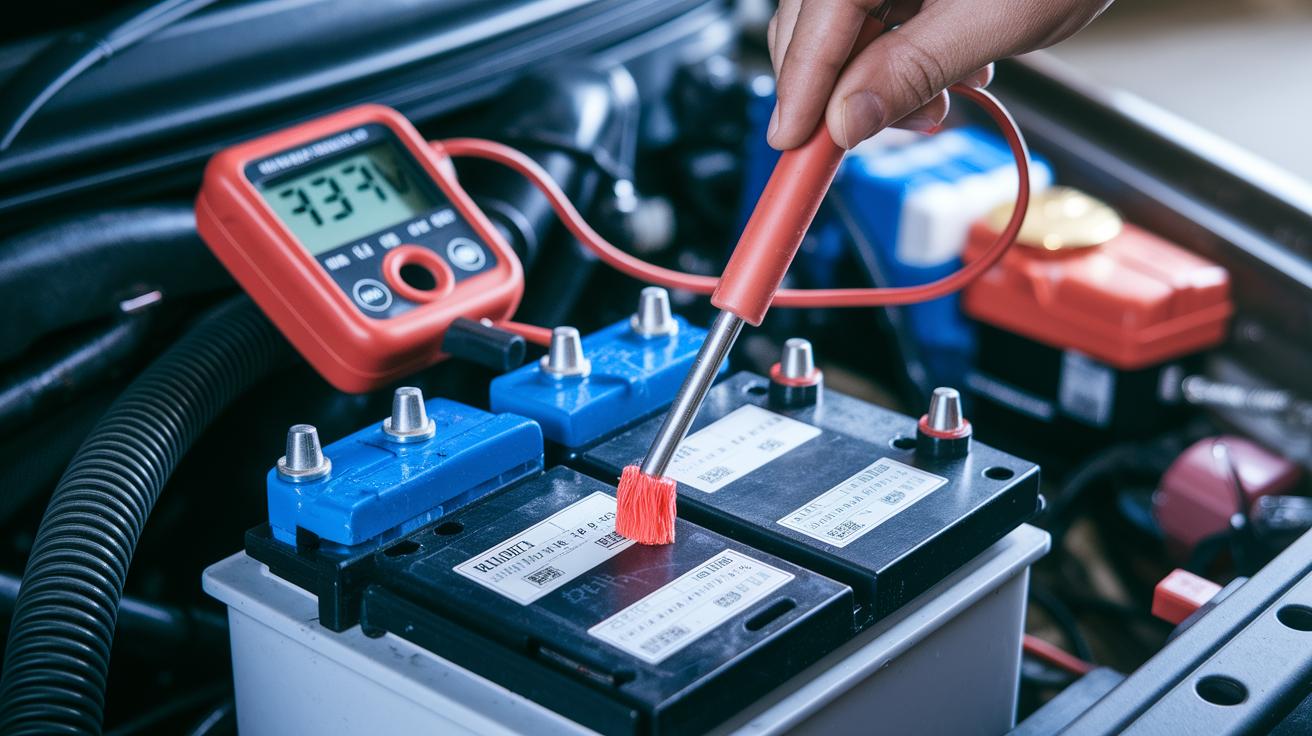
Keep your battery in top shape by cleaning the terminals every six months or about 10,000 miles. When you reach roughly 75,000 miles, test the alternator output (it should be between 13.7 and 14.7 volts) to catch any issues early.
Coolant care is explained in the Engine Oil and Fluid Management section, but remember to use the coolant specified by your car’s OEM every 60,000 miles. This simple step helps keep rust and buildup at bay. When you change your fluids, choose a trusted coolant that follows your vehicle’s guide for smooth engine performance.
For the exterior, stick to a routine of washing and waxing at least twice a year and treat your car to a full detail every 2–3 years. Keep an eye out for new paint chips or worn seals to stop rust from taking hold.
Planning Professional Services and DIY Maintenance Tracking
Deciding whether to fix something on your own or take your car to a shop can be a bit of a puzzle. For example, a DIY oil change might cost about $30, while the shop will charge nearly $70. And when it comes to high-mileage inspections, say, every 12,000 miles, sometimes you really want a pro's expertise to ensure you get trustworthy diagnostics.
Planning your service dates ahead of time can reduce surprises and prevent expensive emergencies. Set up a routine based on the manufacturer’s guidelines and important check milestones. This way, you catch issues early and keep your ride running smoothly. It’s like having a mini road map that makes maintenance feel less stressful.
Keep a maintenance log, too. Tracking each service, DIY fix, and shop visit can boost your upkeep by about 30%. A simple maintenance log template can remind you of upcoming repairs, ensuring nothing slips through the cracks. This little habit keeps your routine in check and adds real value to your car’s long-term performance.
Final Words
In the action, this piece walked through essential tasks like fluid changes, filter checks, tire rotations, and more. It explained when to switch oils, inspect belts and hoses, and keep the battery and exterior in top shape.
The outlined steps help extend engine life and keep things running smoothly. Following these tips makes high mileage car maintenance a whole lot easier and enjoyable. Stay proactive and keep your ride in tip-top shape!
FAQ
What does high mileage car maintenance reddit refer to?
High mileage car maintenance discussions on Reddit share real-world advice and tips from seasoned owners, focusing on affordable, practical upkeep for older vehicles.
What is included in a high mileage car maintenance checklist?
A high mileage maintenance checklist covers regular oil changes, fluid checks, filter and belt replacements, tire rotations, and battery upkeep to keep older cars dependable.
How can you make a high mileage car run like new?
Making a high mileage car run like new involves following a strict maintenance schedule, replacing worn parts, using quality fluids, and adding proper engine treatments to boost performance.
What is high mileage engine treatment?
High mileage engine treatment uses additives that improve lubrication, reduce deposit buildup, and protect worn parts, helping older engines run more smoothly.
What are high mileage cars to avoid?
High mileage cars to avoid are those with a spotty maintenance history or recurring issues that can lead to expensive repairs and compromised safety.
Is it worth fixing a car with 300k miles?
Fixing a car with 300k miles depends on its overall condition, repair costs, and sentimental value, so it’s best to weigh ongoing maintenance expenses against new car investments.
What is considered high mileage?
High mileage typically refers to vehicles that have clocked 100,000 miles or more, though the exact threshold can vary by make, model, and upkeep history.
What maintenance is needed at 40,000 miles?
Car maintenance at 40,000 miles usually includes an oil change, filter checks, brake inspection, and fluid level verifications to ensure the vehicle runs safely and efficiently.
What is the 30 60 90 rule for car maintenance?
The 30 60 90 rule sets key service markers at roughly 30,000, 60,000, and 90,000 miles, focusing on fluid replacements, inspections, and preventive repairs to sustain vehicle health.
What maintenance should be done at 200,000 miles?
At 200,000 miles, extensive care like engine and transmission inspections, replacing belts, hoses, and fluids, and checking suspension components is crucial to maintain reliability.
How much does a 100k mile tune-up cost?
A 100k mile tune-up typically costs between $150 and $300, covering detailed inspections, part replacements, and necessary adjustments to keep the car performing well.
Can an engine last 500,000 miles?
An engine can last 500,000 miles with diligent, routine maintenance, including regular fluid changes, timely repairs, and careful use of high-quality parts and additives.