
Ever wonder if taking care of your electric car really is as easy as it sounds? In truth, it might be simpler than you think. Electric cars need fewer checks and no oil changes. A quick look over your ride can spot little problems before they turn into big, costly repairs. It’s kind of like watering your favorite plant, a little attention now saves you trouble later. Stick to a smart routine, and you'll enjoy a smoother drive along with some extra savings as your car runs more reliably over time.
Electric Car Maintenance Essentials
Electric cars are pretty simple to take care of compared to traditional rides. They skip out on things like engine oil changes and have only one gear, so you don’t have to worry about complex routine maintenance. A quick check-up now and then helps you spot any issues early. For instance, a little look at your battery’s performance can save you from a big headache later on.
Battery coolant plays a big role here. It keeps your battery cells at just the right temperature, ideally between 20 and 30 degrees Celsius. Think of it like watering a thirsty plant; without enough coolant, the battery won’t work as well and might even get damaged. That’s why regular checks on your coolant levels are so important.
Keeping up with these maintenance tasks not only makes your electric car more reliable but can also save you money over time. Without the expensive engine repairs that gas cars often need, you’re set for a trouble-free ride. Just stick to the scheduled inspections and follow your manufacturer’s advice, and you’ll keep enjoying that smooth, quiet drive every time you hit the road.
Electric Car Battery Upkeep Guide
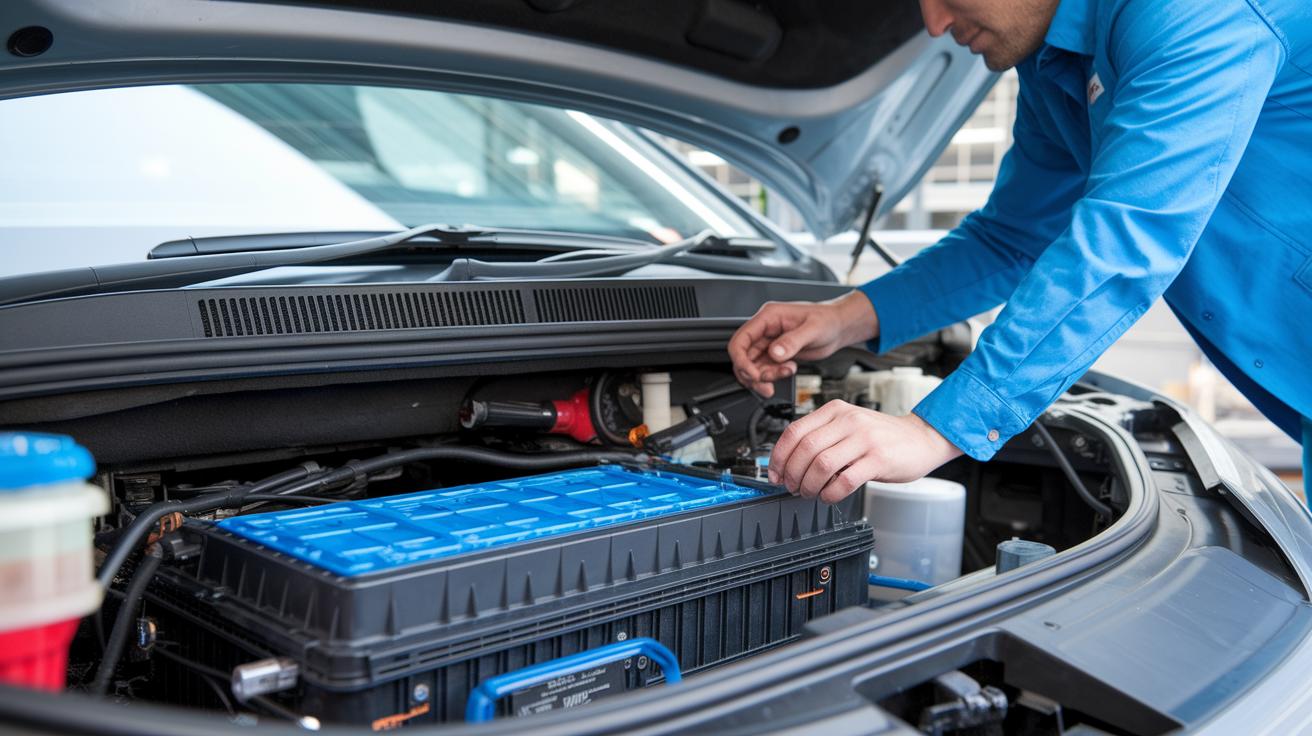
Regular battery care helps keep your EV running smoothly. A simple check every six months can catch issues like leaks or a loss in capacity before they become big problems. Make sure your battery coolant is always at the right level; it helps keep your battery cool, ideally between 20 and 30 °C. Keeping an eye on the coolant helps your battery cells work efficiently and lets you spot any imbalance or heating issues early on.
For a hands-on routine, try these easy steps:
- Visual leak inspection
- Capacity and voltage test
- Coolant level check
- Thermal management system review
- Firmware health scan
- Maintenance record logging
Start with a visual leak inspection, imagine checking your car’s battery like you’d look over a garden hose for any water droplets. Then, run a capacity and voltage test to see how well it’s holding up. Checking the coolant makes sure the battery doesn’t overheat while you’re on the road. Next, review the thermal management system to confirm all parts are working together properly. A firmware health scan will reveal any software slip-ups that might affect performance. Finally, keep a record of all these checks to notice any trends over time.
Doing these steps every six months builds a strong routine for EV battery care. A little effort now can prevent bigger issues later, letting you enjoy that smooth and worry-free drive.
Electric Car Charging System Inspection & Software Updates
Keeping an eye on your EV charging setup is a smart move. Before you plug in your car, have a quick look at the plugs, cables, and connectors. See if they show any signs of wear, rust, or damage, like a frayed phone charger cord that just doesn’t work right. Even a tiny crack could create a loose connection or even a safety risk.
Sometimes, manufacturers offer free software updates through recall campaigns. Think of it like updating your smartphone to fix bugs and improve performance. These updates help your battery show the correct range and keep your car’s energy system in tip-top shape. They can make a big difference in how safely and smoothly your EV operates.
By regularly checking both the hardware and the software, you keep your charging system in prime condition. Simple, routine inspections can save you from sudden issues and expensive repairs, making every drive worry-free.
Electric Car Tire Rotation & Brake Care Schedule
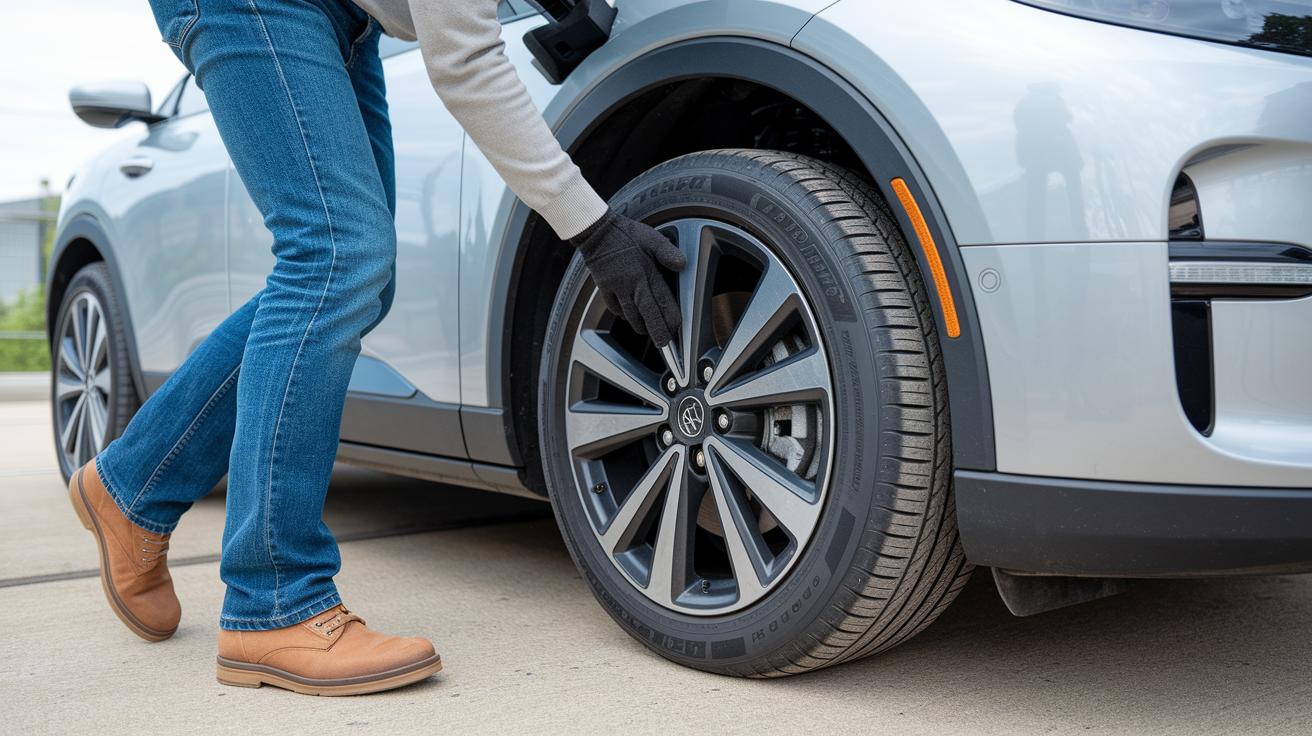
Regular tire rotation keeps your electric car rolling smoothly and looking good. Swapping your front and rear tires every six months helps them wear evenly. It also stops your car from pulling to one side. Have you ever checked your tires for uneven wear or tiny damage? Even a small problem can affect your braking and overall safety.
Taking care of the brakes is just as important. Electric cars use regenerative braking, which helps save your brake pads and even gives you a bit more power. I like to check my regenerative braking parts after about 22,000 miles or every two years, whichever comes first. Look closely at the brake pads and the entire system to catch early signs of wear or reduced performance. A smooth, responsive brake system is not only safe but also keeps your car efficient. And don’t forget to keep your brake fluid fresh by topping it off regularly, it helps both the regenerative system and your brakes work at their best.
Sometimes, electric vehicles need a little extra attention when it comes to tire rotation. Some EV models have unique weight distributions that can benefit a special rotation routine. For more tips on EV-specific tire rotation, check out the tesla tire rotation guide at the provided source.
By following these simple steps, you give your car a longer life and boost its performance. Regular checks mean you can enjoy your drive knowing your wheels and brakes are in top shape.
| Task | Interval | Action |
|---|---|---|
| Tire Rotation | 6 months | Swap front/rear |
| Brake Inspection | 22,000 miles / 2 yrs | Check pads & regen |
| Brake Fluid | 12 months | Top off & bleed |
Electric Car Cooling & Fluid Maintenance
When it comes to battery coolant care, the Electric Car Battery Upkeep Guide explains it all. If your model uses active thermal management, check the system every 150,000 miles or every five years. Many drivers used to skip this step until they discovered that regular coolant checks can actually prevent battery problems.
Then there’s the brake fluid part. The Electric Car Tire Rotation & Brake Care Schedule covers everything about keeping your brake fluid in check. It’s important to top off your fluid as needed and inspect it for leaks or any discoloration. Regular look-overs like these help catch issues early so your brakes always work when you need them.
Electric Car Service Schedule & Cost Analysis
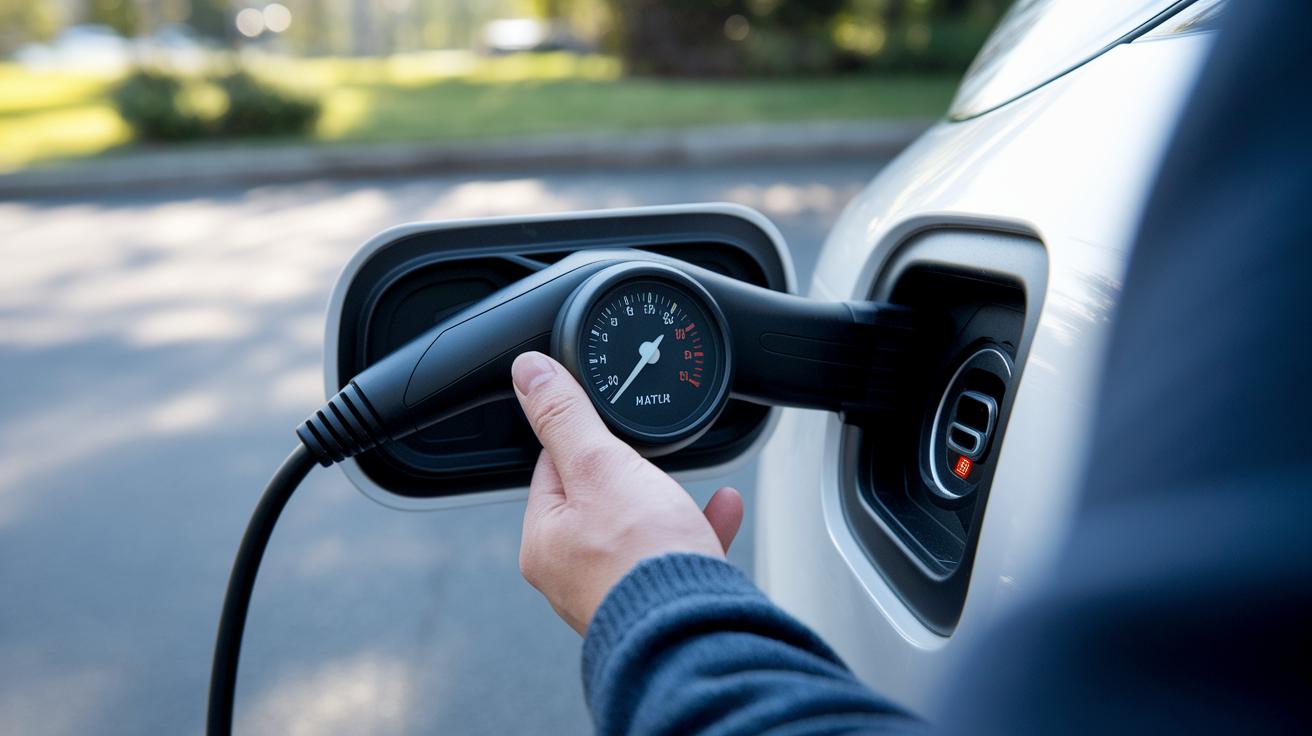
EVs need less upkeep. They don’t require engine oil changes, filter swaps, or complicated transmission services. With fewer moving parts, repairs are easier and usually cheaper. Plus, battery checks under recall notices often come free.
When planning your budget, remember that EV service costs are typically lower than those for regular cars. No oil changes and a simpler drivetrain help keep bills down while boosting reliability. Most EV makers suggest regular checks on the battery, coolant systems, and a few basic parts. That means your EV will likely visit the garage less often than a gas-powered car.
When booking appointments, try looking at car repair guides to find shops familiar with electric car care. These experts know that a well-tuned battery and managed coolant are key to great performance and a long life. With fewer parts to worry about, most visits focus on software diagnostics and the occasional brake fluid top-off, not a full engine tune-up.
All in all, EV maintenance is simpler and more cost-effective. Their smart design and straightforward service routines mean you’ll save money over time, making your electric car both eco-friendly and kind to your wallet.
Electric Car DIY vs Professional Maintenance Options
Many electric car upkeep tasks are simple enough to try on your own, which can save you both time and cash. Take topping up the wiper fluid, for example. It's a quick fix that keeps your view clear when you hit the road. You can even handle basic tasks like checking your tires for uneven wear or doing a visual inspection at home. But when it comes to jobs that need the right torque settings or careful adjustments, it's best to let a pro with the right tools take over.
Sometimes, the trickier problems, especially those involving your car's charging system or in-depth diagnostics, are best sorted out by mobile repair services. These handy services come to you, making it super easy when your EV needs a quick on-site fix, like when a charger misbehaves. If you're curious, check out some options at https://unionno.com?p=1193.
Authorized service centers also have the gear and training to handle work that demands precise attention and warranty compliance. Here’s a quick breakdown:
| DIY Tasks | Professional Tasks |
|---|---|
| Wiper fluid refill | Proper tire torque |
| Basic tire rotations | Calibration |
| Visual checks | Charging system diagnostics |
By knowing what you can do yourself and when to call in the experts, you’ll keep your electric car running safely and efficiently, ready for your next drive every time.
Electric Car Maintenance Provider Selection Guide
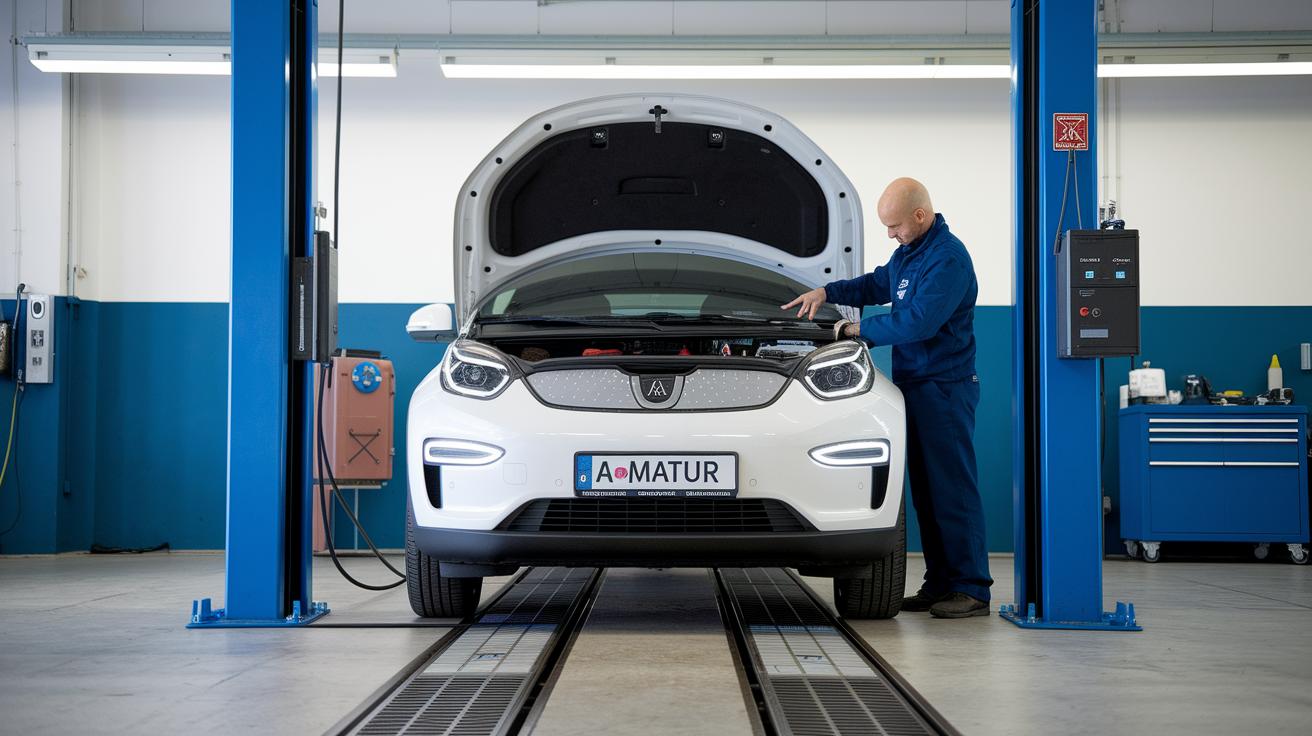
Picking the right shop for your electric car is super important to keep it running its best. Look for a place that checks your battery, rotates your tires, inspects your brake fluid, and sees over your coolant. These tasks help your EV perform great every time you drive it.
When you visit a service center, ask if they have manufacturer-certified technicians. They know the proper way to work on your car and help protect your warranty. It might be a good idea to compare the technician’s credentials with tips you find in guides like "how to maintain a car" to be sure you’re getting quality service.
Local spots often have a reputation in your community. Do a quick search or ask your friends for recommendations. That way, you’ll find a certified provider who not only checks your car thoroughly but also keeps detailed records. This gives you the peace of mind that your ride is truly in good hands.
Final Words
In the action, the post broke down how to keep your electric vehicles in top shape. We covered battery care, charging system checks, tire rotation and brake care, along with cooling, fluid checks, service schedules, cost considerations and knowing when to tackle DIY tasks versus calling a pro.
By sticking with these guidelines, you'll see that electric car maintenance isn’t as daunting as it seems. Keep these tips in mind, and enjoy the ride with confidence.
FAQ
What is the electric car maintenance cost and is it expensive to maintain?
The electric car maintenance cost is lower since EVs eliminate oil changes and complex transmission work. Yearly expenses mainly come from battery, coolant, and brake checks, making them generally more affordable than gas cars.
How does electric car maintenance compare to maintenance on gas vehicles?
The maintenance on electric cars is simpler than on gas vehicles because EVs skip many routine oil and filter changes. They focus on battery, coolant, and brake upkeep, easing overall servicing needs.
What is the recommended electric car maintenance schedule?
The electric car maintenance schedule calls for periodic battery health checks, coolant level inspections, and brake assessments. Follow manufacturer guidelines for regular intervals to keep your EV running smoothly.
Where can I find electric car maintenance near me?
The search for electric car maintenance near you should start with certified service centers or mobile repair providers. Use online directories to locate local technicians who specialize in EV care.
What items belong on an electric car maintenance checklist?
A thorough electric car maintenance checklist covers battery inspections, coolant level checks, brake system reviews, tire rotations, charging port evaluations, and software update verifications. Community resources like EV Reddit threads often share free pdf guides.
Do electric cars require regular maintenance?
The requirement for electric car maintenance is lower compared to gas models due to fewer moving parts, but routine battery, fluid, and system inspections remain essential for optimal performance.
What is the biggest problem with electric cars?
The biggest problem with electric cars often involves battery longevity and limited charging infrastructure. Monitoring battery health and staying informed about charging station options can help address these issues.
What happens to an EV after eight years?
After eight years, an EV might face some battery capacity reduction and component wear. Continued care with regular inspections and software updates helps extend the vehicle’s performance and reliability.
How do brands like Tesla, BYD Auto, Rivian, Toyota, Kia, and BMW compare in terms of maintenance?
Differences among Tesla, BYD Auto, Rivian, Toyota, Kia, and BMW appear in battery technology, design, and available service networks. Each offers unique maintenance requirements and warranty terms tailored to their EV models.