
Ever notice those little lights on your dashboard? They’re like a friendly mechanic giving you a heads up before any big issues arise.
Each light has a simple message. One might let you know that your oil is low, while another warns you when the engine is in trouble.
Spotting these hints early can help keep your car safe and running smoothly. In this post, we explain what each light means so you’ll know exactly when to check your car.
Car Maintenance Lights: Key Dashboard Alerts and Meanings
Ever glance at your dashboard and wonder what those little lights are trying to tell you? They’re like friendly messengers, popping up with hints about your car’s condition. Each symbol comes in its own shape and color, making it easy to figure out what’s up, kind of like a visual cheat sheet that helps you dodge bigger problems later on.
Take the oil pressure light, for example. It might appear as an oil can or simply say OIL. When it lights up or starts flashing, it’s saying, "Hey, check your oil now!" This could mean your oil level is low or it’s not circulating properly. And then there’s the check engine light. Sometimes it just signals a minor issue, like a loose gas cap, but other times it warns you about more serious things like overheating. You might also see a battery icon hinting at charging issues, a tire pressure symbol that checks your TPMS readings, or a thermometer icon keeping an eye on engine temperature.
Colors play a big role here. Red lights? They mean serious trouble. If you see a red oil pressure light, for instance, it’s telling you that low oil pressure could lead to major engine damage, so you should stop and check your car right away. Amber lights, on the other hand, are more like a heads-up; they indicate that while there’s no immediate danger, the issue still needs your attention soon.
Then there are lights that aren’t warnings at all. When you see symbols for fog lamps, headlights, or lane-departure alerts, they’re just letting you know that these features are active. This helps you quickly figure out which alerts need urgent attention and which ones are just there to keep you informed while you drive.
So, next time you notice one of these dashboard signals, give it a quick look. Understanding what each light means can help keep your ride safe and running smoothly, giving you one less thing to worry about on the road.
Common Car Maintenance Lights: Oil, Battery, and Check Engine Signals
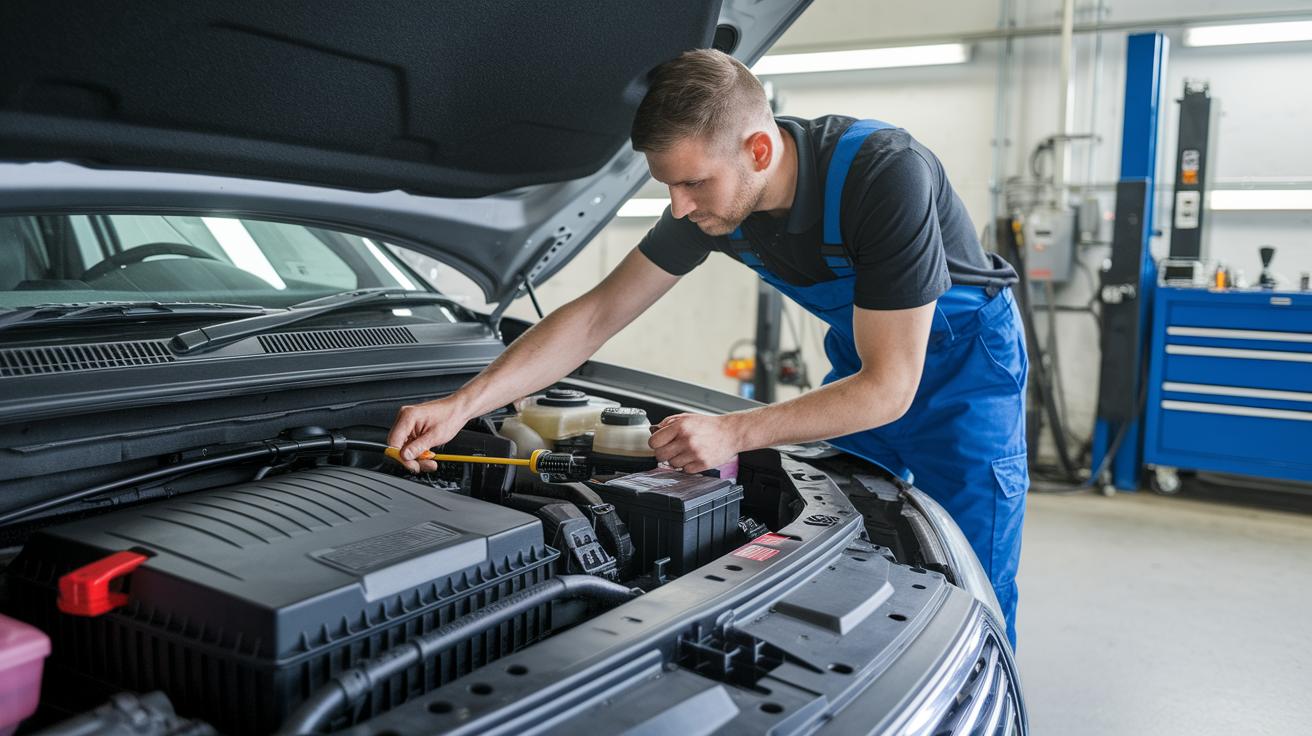
If you see an oil pressure warning light, often an oil can or just "OIL", it could mean more than just running low on oil. When adding oil doesn’t solve the problem, start by checking around the gaskets or seals for any leaks. Next, listen closely for any odd sounds from the oil pump, as these can hint at trouble. You should also inspect the oil filter for clogs. A quick tip: pull out the dipstick, wipe it clean, reinsert it, and make sure the oil level sits between the min and max marks. Keeping oil in this range helps protect your engine.
When a battery alert light shows up as a battery icon, it flags a potential issue with the charging system. Instead of only checking the cables, use a voltmeter to see if the battery is giving off about 12.6 volts when the engine is off and nearly 14 volts when it’s running. It’s also smart to check for any corrosion on the battery terminals and clean them with a wire brush if needed. If your electrical systems dim when the engine idles, it might be worth testing the alternator’s output. This little check can tell you if your battery’s power is on point.
The check engine light is a signal that your car might have stored some error codes. These codes could point to simple sensor problems or something deeper with the engine. A handy method is to run an OBD-II scan, which pulls up diagnostic codes for you to review. Don’t forget to look at the freeze-frame data, which gives a snapshot of what happened when the fault occurred. Even a dim check engine light is a clue that there might be a sensor misfire needing attention. Let the scan tool direct you on the next steps.
Car Maintenance Lights for Fluid and Temperature Warnings
When you spot the little thermometer icon on your dashboard, take it seriously. It means your engine could overheat because the antifreeze is low. If you see this light, pull over, let your engine cool down, and check your coolant. Sometimes, you might need to add more fluid or even get a quick service.
Another light to watch for is the transmission temperature indicator. This light shows a mix of a gear and a thermometer. It turns on when your transmission fluid gets too hot, which might happen if you're towing a heavy load or if wear is starting to show. It's a clear nudge to keep an eye on your transmission fluid levels.
You might also see a washer fluid icon that looks like a sprayer. This light tells you the windshield washer fluid is running low. It's best to refill it quickly so you always have a clear view when you're driving.
Lastly, keep an eye out for an exclamation mark inside a circle. This one signals a brake fluid warning. It could indicate that your hydraulic fluid is low or that the parking brake is still on. If this light shows up, you might want to visit a service like Mobile Auto Repair to get things checked out ASAP.
Troubleshooting Car Maintenance Lights: Immediate Steps for Drivers
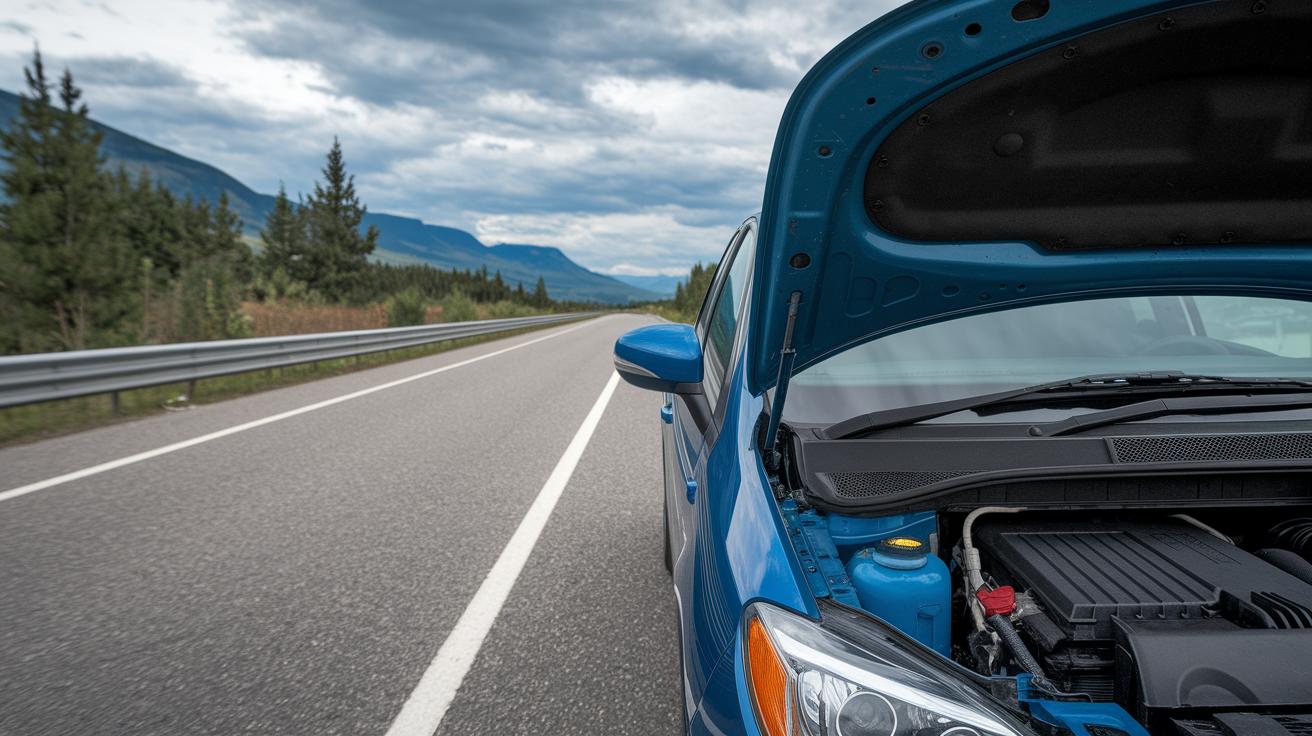
When a maintenance light suddenly comes on, it's a clear sign your car needs some attention. First, pull off the road safely and switch off the engine. This helps avoid any sudden problems and lets the car cool down a bit. Your owner’s manual is a great guide in these moments, so check it out right away.
Before you pop the hood, give the engine 15–20 minutes to cool off. This is really important, especially if you need to check the coolant. A hot radiator can cause burns. Once it's safe, take another look at your dashboard to figure out which light is on so you know what to check next.
When you're parked safely, start by checking your fluids. Look at the oil, coolant, and brake fluid. Sometimes a loose gas cap can cause the light to come on, so give it a quick twist to make sure it's secure. Also, check the battery connections, they might be loose or have a bit of corrosion that trips the warning.
Here’s a quick run-through of what to do:
| Step | Action |
|---|---|
| 1 | Park safely and turn off the engine |
| 2 | Wait 15–20 minutes for the engine to cool |
| 3 | Check the dashboard for the warning light |
| 4 | Inspect oil, coolant, and brake fluid levels |
| 5 | Ensure the gas cap is tight |
| 6 | Look over battery connections for any issues |
Taking these steps not only helps you avoid more serious car troubles, but it also tells you when it's time to get a professional opinion. Remember, safety comes first, and a little attention can go a long way in keeping your ride in top shape.
Resetting Car Maintenance Lights: Indicator Reset Methods and Tips
Resetting your car’s maintenance lights comes in handy once you’ve fixed the issue. One common way is the drive-cycle reset. Basically, as you drive for a set number of miles or go through several ignition cycles, the fault clears itself and the light turns off. Ever notice how your car sometimes seems to give you a little nod once everything’s running smoothly?
Another method is the manual reset. You simply disconnect the negative battery terminal for about 10 to 15 minutes. This process clears any stored error codes and resets your car’s clocks and settings. A quick tip: be sure you have any necessary security codes handy, like those needed to reprogram your radio, before you try this.
You can also use an OBD-II scanner reset. It’s pretty straightforward:
- Plug the scanner into the driver-side diagnostic port.
- Turn the ignition on without starting the engine.
- Read the codes and then choose the “Erase” or “Clear” function.
There’s also the key-cycle reset method. Just turn your key on and off three times without starting the engine. Keep in mind that this trick may work differently depending on your car’s manufacturer.
These simple reset methods let you check if the issue is truly gone without having to rush straight to the mechanic. Always remember to check your owner’s manual for details specific to your vehicle.
Using Diagnostic Tools for Car Maintenance Lights: OBD-II Scanning
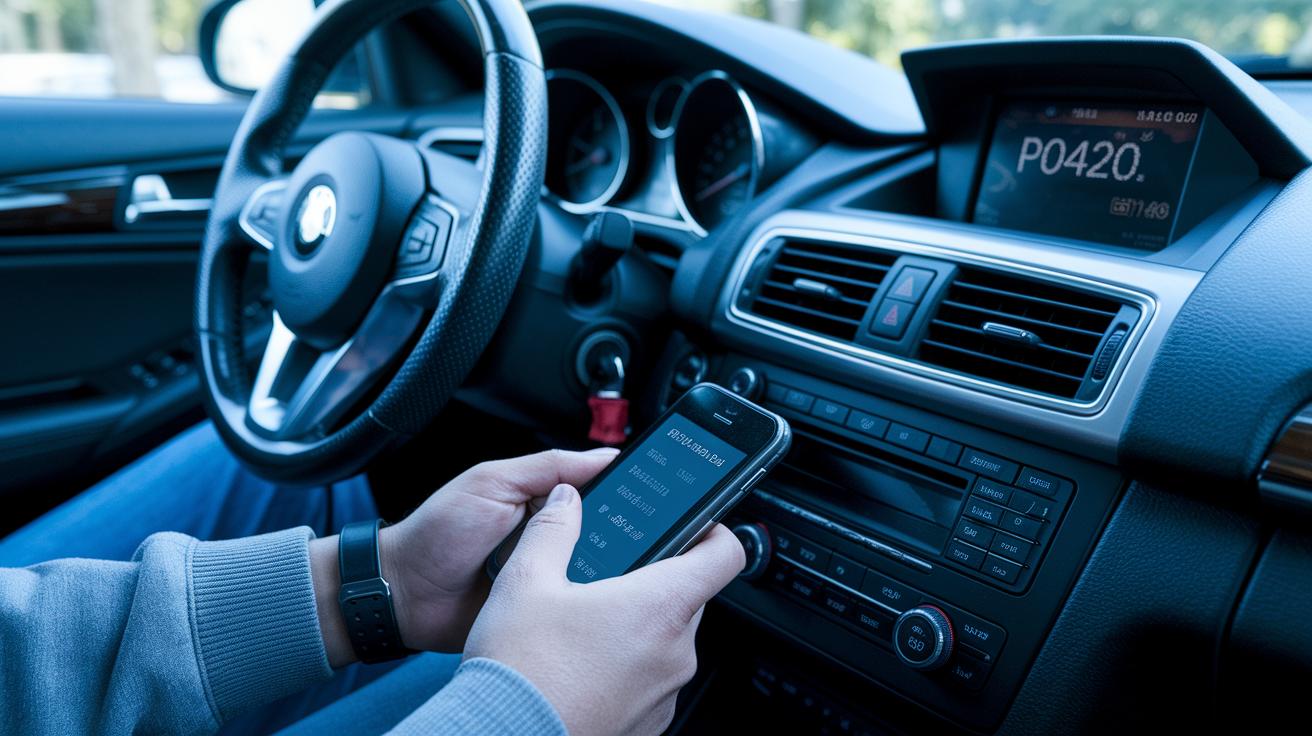
Using an OBD-II scanner is a quick and friendly way to figure out what your car is trying to tell you when a maintenance light comes on. You plug it in under the driver-side dash, and it gives you a peek at your car’s inner workings. It reads codes like P0420 (which means the catalyst might not be working well) or P0171 (hinting that the fuel mix is too lean), so you know what might be wrong.
Some scanners, like BlueDriver, not only show you the code but also explain what it means and even suggest fixes. They let you erase the codes after a test drive shows that the repair worked. More advanced scan tools offer extra details, letting you see live data like engine RPM (the speed your engine runs), coolant temperature, and fuel trim percentages. It’s like having a live dashboard for your car’s health!
Here's a simple way to use your OBD-II scanner:
- Plug the reader into the port under the dash.
- Turn the ignition on without starting the engine completely.
- Let the scanner pull up the diagnostic codes.
- Look up each code in a guide to learn what it means.
- Once you’ve fixed the issue, use the scanner to erase the codes.
This process helps you understand exactly what’s ailing your car, turning confusing lights into clear signals. It’s a great way to catch small problems before they turn into major headaches. A little investment in a scanner today might save you a lot of time and money on repairs down the road.
When Car Maintenance Lights Persist: Consulting a Mechanic
If you see red alert lights like oil pressure, coolant, or brakes that have already been mentioned elsewhere, don’t ignore them. Instead, if those lights stay on after your quick checks, get your car inspected by a mechanic you trust.
If the check engine code keeps repeating or your ABS or airbag light flashes, it could mean there’s a hiccup with the sensors, wiring, or control modules. And if your battery light remains on even after you replaced the alternator, it might point to a wiring issue or a voltage regulator problem.
Keep these tips in mind during your regular check-ups, and always visit a certified repair shop to ensure your car stays safe on the road.
Final Words
In the action of exploring dashboard signals, we broke down everything from oil and battery alerts to fluid warnings and reset methods. We also chatted about using OBD-II scanners and when it's time to call a mechanic. Each step teaches us how to keep our rides in top shape. Keep a close eye on those car maintenance lights and take charge of your vehicle’s well-being. Stay curious and enjoy the drive!
FAQ
Frequently Asked Questions
Q: What are car dashboard symbols and meanings?
A: Car dashboard symbols are the icons you see on the instrument panel that signal your car’s system status. They warn you of issues like low oil or battery problems, guiding you to take the proper steps.
Q: What do yellow car warning lights mean?
A: Yellow lights indicate caution. They signal potential issues that might escalate, so while you can usually keep driving, it’s best to inspect the concerned system soon.
Q: What do car dashboard signs and names represent?
A: Car dashboard signs, such as the check engine light or tire pressure warning, represent specific system alerts. They provide clear cues on which part of your vehicle might need attention.
Q: What is the master warning light?
A: The master warning light is a catch-all signal that multiple issues may be present. It urges you to check your system details promptly to avoid any critical problems.
Q: How are car maintenance lights explained?
A: Car maintenance lights let you know when key systems require inspection—such as low oil, coolant, or brake fluid. They help ensure your vehicle stays in safe working order.
Q: What does the car warning lights triangle indicate?
A: A triangular warning light signals a significant, general alert. It tells you that a potential malfunction exists and you should review your car’s manual or have it inspected shortly.
Q: How does the brake system warning light work?
A: The brake system warning light alerts you to issues like low brake fluid or potential brake malfunctions. It’s a sign to get your braking system checked to maintain safe stopping power.
Q: What is found in a car dashboard symbols and meanings PDF?
A: A dashboard PDF guide offers a detailed explanation with visuals of each symbol. It helps you quickly identify what each icon means so you can act appropriately.
Q: What do the maintenance lights on a car mean?
A: Maintenance lights indicate the health of essential systems, such as oil levels or battery function. They guide you by highlighting areas that might need a refill or a professional check.
Q: Can you keep driving if the service light is on?
A: The service light lets you know that something in your vehicle needs checking. While you can drive for a short time, it’s wise to get it inspected to prevent further issues.
Q: Which light comes on when your car needs a service?
A: Typically, an amber maintenance light or icon will appear when your car needs a service. It signals that routine checks like oil changes or fluid levels should be addressed.
Q: What color are the warning lights on maintenance vehicles?
A: Warning lights on maintenance vehicles usually follow a color code—red for critical problems needing immediate attention and yellow for issues that require timely inspection.