
Ever wondered if your car’s fluids are really getting the care they deserve? Your ride relies on them, just like we depend on a good meal to feel our best. Engine oil keeps everything running smoothly, while coolant stops your engine from overheating or getting too chilly. Transmission fluid makes gear shifts fluid, and brake fluid ensures safe stops. Keeping an eye on these fluids can save you from bigger problems later on. In this article, we break down which fluids need replacing and why it matters to keep your car running at its best.
Core Car Fluids to Change for Optimal Vehicle Health
Keeping your car's fluids in check is like giving it a regular health check. Each fluid plays a special role in helping your ride run its best. Think of engine oil as the lifeblood that keeps moving parts smooth and free from damage. Coolant, which is a simple mix of water and antifreeze, helps stop your engine from getting too hot in summer or freezing up in winter. Transmission fluid makes sure your gears shift smoothly, while brake fluid is what gives you that safe, reliable stop. And don't forget power steering, windshield washer, and rear differential fluids, they all help your car perform just right.
Taking a moment to check these fluids and knowing when to switch them out can save you from bigger problems later. It's like a basic tune-up that keeps everything humming along neatly. Here's a handy list that sums up what each fluid does and when you should consider changing it:
| Fluid | Primary Function | Recommended Change Interval |
|---|---|---|
| Engine Oil | Keeps engine parts lubricated and clean | 3,000–5,000 miles or about 6 months |
| Engine Coolant | Helps absorb and spread engine heat | Every 2–3 years; check twice a year |
| Transmission Fluid | Keeps gearbox components running smoothly | 50,000–100,000 miles |
| Brake Fluid | Supports your hydraulic brake system | Flush every 2 years; check with oil change |
| Power Steering Fluid | Helps make steering smooth and easy | Top-off as needed |
| Windshield Washer Fluid | Keeps your windshield clear | Check every few months |
| Rear Differential Fluid | Keeps the gears in AWD/4WD systems happy | As per the manufacturer’s suggestion |
Engine Oil Change Intervals and Best Practices
| Fluid | Details |
|---|---|
| Engine Oil |
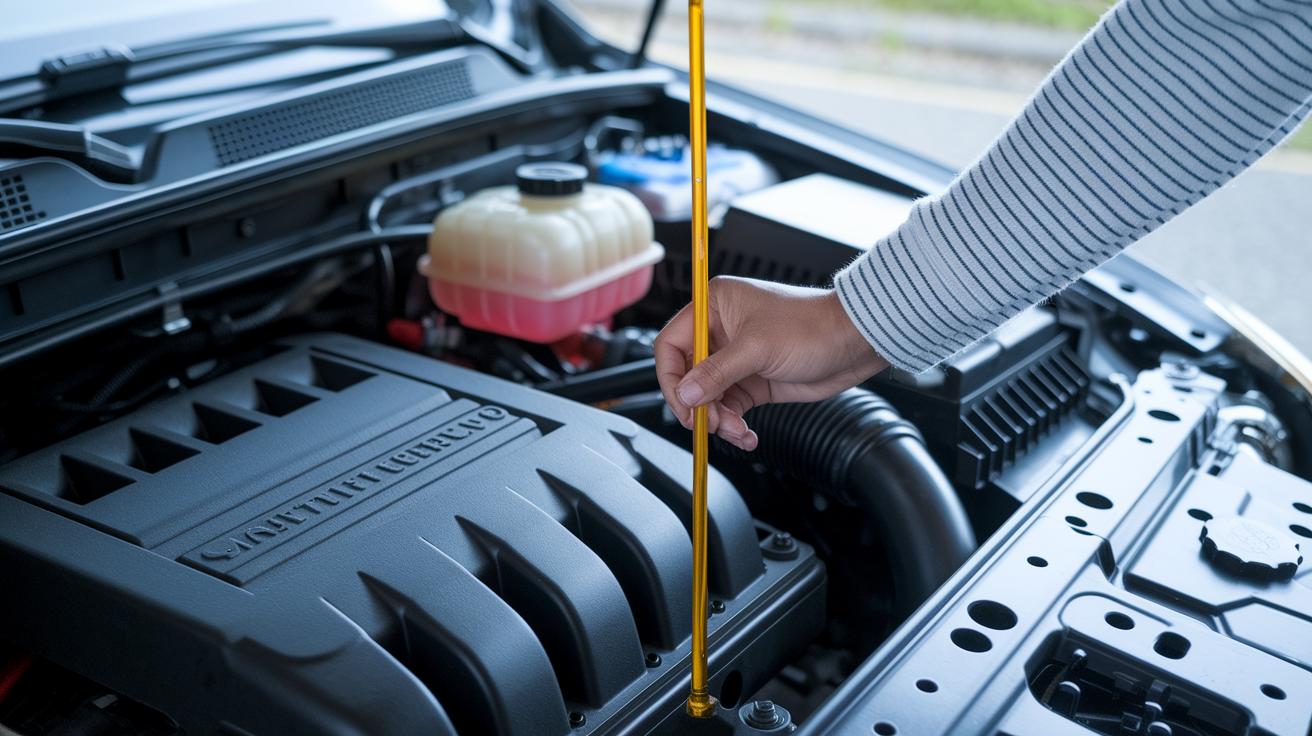
If you’re driving around, it’s good to change your engine oil every 3,000 to 5,000 miles or roughly every 6 months. This oil not only helps parts like pistons, valves, and timing chains move smoothly, but it also cools the engine and traps dirt that can speed up wear. Here are some handy tips:
|
Coolant
| Fluid | Maintenance Tips |
|---|---|
| Coolant |
– Use a mix that’s half water and half antifreeze; it helps keep your engine steady by soaking up and spreading out the heat.
– Check your coolant twice a year, once before winter and once before summer, to catch any problems early. – Every 2-3 years, flush out the old coolant and refill to clear away any buildup that can mess with your engine’s cooling. – Stick with the coolant approved by your car’s maker to ensure your engine stays protected. – Watch for signs like a cloudy or dirty look in your coolant. |
Transmission Fluid Maintenance for Smooth Shifting
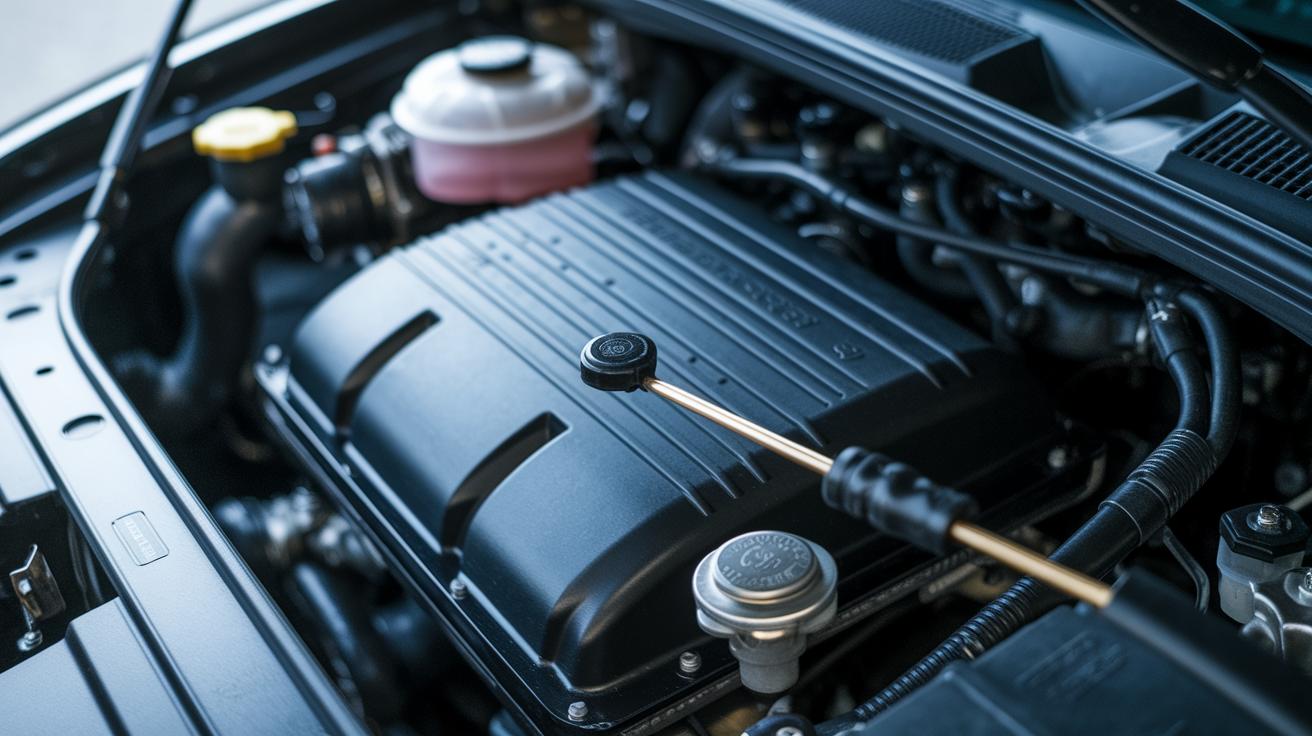
Transmission fluid is your car's best buddy for keeping gears, bearings, and seals well-lubricated. In an automatic, this fluid is usually thin and dark red, while in a manual, it’s thicker and can be brown to amber. Regular checks help you catch any early signs of trouble, ensuring every gear shift feels smooth and controlled.
When you're checking the fluid, take a good look at the dipstick to make sure the level stays above the marked line. If the fluid starts looking dull or murky, it could mean there's contamination that might cause shifting hiccups. Most experts say it's smart to replace the fluid every 50,000 to 100,000 miles. Keeping up with these intervals can save you from unexpected roadside repairs.
Treat your transmission like you would your engine. During routine maintenance, check the fluid levels and top off or change it as needed. A simple dipstick check goes a long way in keeping your car shifting effortlessly and running at its best.
Brake Fluid Change Guidelines for Reliable Stopping Power
Brake fluid is key to your car's braking system, whether you're dealing with hydraulic disc brakes, drum brakes, or even some clutches. It carries the force from your foot when you press the pedal, helping your car stop smoothly. Checking the fluid level during every oil change is an easy way to spot leaks or low levels that might mess with your stopping power.
Over time, brake fluid can soak up moisture, which makes it not work as well. Most experts say you should flush your brake fluid every two years. This process clears out any air bubbles and dirt that can give you a spongy pedal feel. Keeping your brake fluid fresh means your brakes respond consistently when you need them most.
Regular inspections can catch early signs of leaks or moisture build-up. When you pair routine checks with timely fluid replacements, you can avoid costly brake repairs later on. Plus, using the brake fluid that your car manufacturer recommends ensures you always have reliable stopping power. Stay proactive about maintenance and keep yourself safe on the road.
Power Steering Fluid: Top-Off Frequency and Service Insights
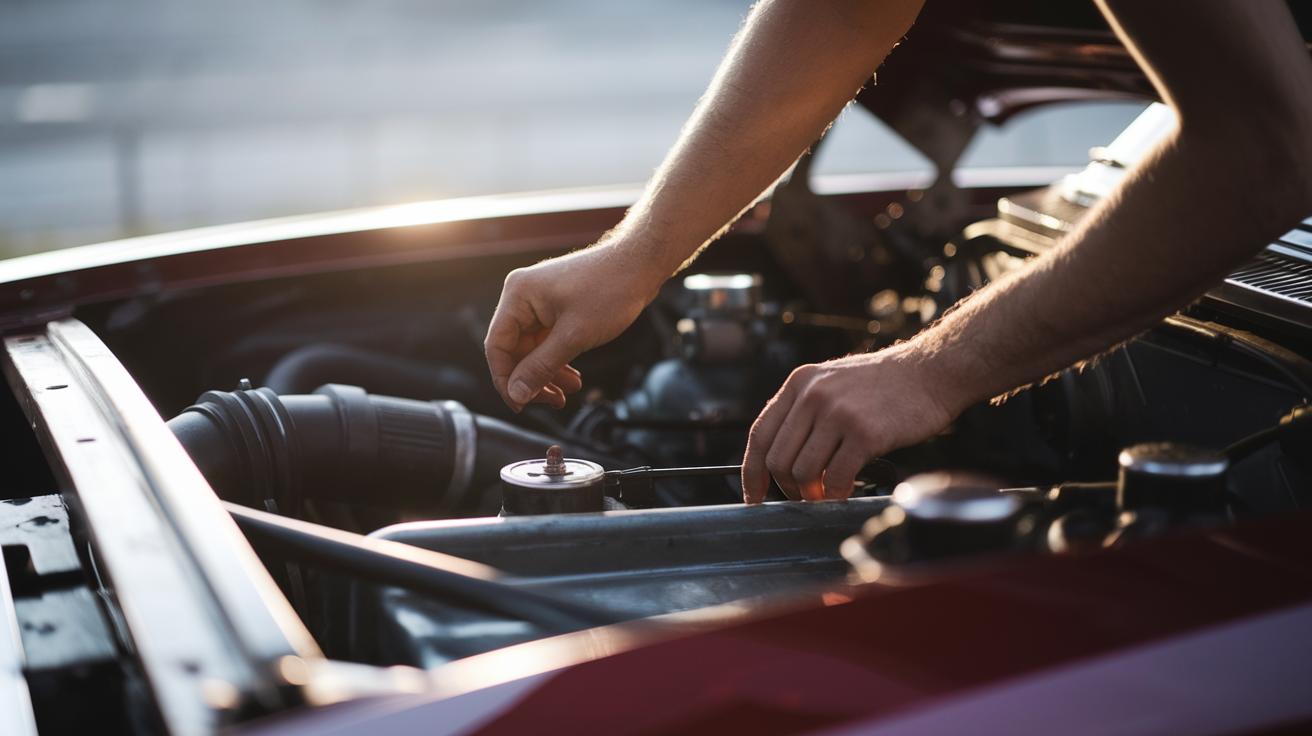
Power steering fluid is what helps your steering stay smooth by moving power from the pump to the rack. It also keeps the pump and gearbox nicely lubricated, so each turn feels light and easy. Make sure you check the fluid level often and add more when it starts to drop. Low levels can make your steering stiff or even cause strange noises, which might make your drive a bit rough or unsafe.
Usually, you only need to peek at the fluid level and top it off occasionally. A complete flush is almost never needed. Instead, pay attention to the fluid’s look and feel. If it starts to look dark or feels gritty, that’s a sign it might need a thorough service. Keeping on top of this maintenance not only helps your car handle better but also guides you away from potential problems later on.
Windshield Washer and A/C Fluids: Simple Checks for Safety and Comfort
Keep your windshield washer fluid full so you always have a clear view of the road. This cleaning solution, which won’t freeze, helps wipe away dirt and debris so you can easily notice any hazards. I like to check the reservoir every few months, if the fluid is dipping below the mark, a quick refill keeps your view streak-free during rainy or dusty weather.
Your car's A/C refrigerant is just as important for a comfy drive. When the air in your cabin isn’t as cool as it should be, it might be a sign of a leak. Regular inspections can catch these little issues early and help keep your air conditioning working smoothly.
Differential and Specialty Fluids for AWD and 4WD Vehicles
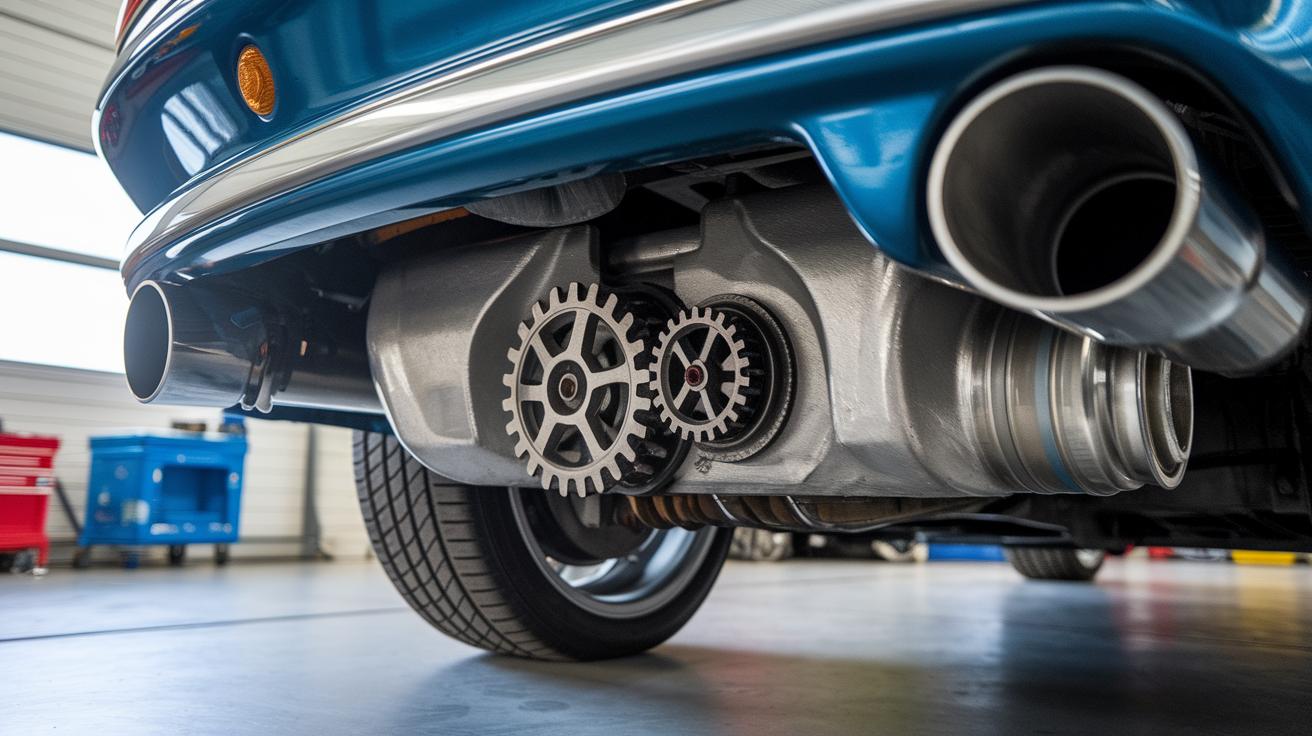
Your car's rear differential fluid is a real workhorse when it comes to all-wheel or four-wheel drive. It cools and lubricates the spider gears that power your drive, stopping wear and preventing overheating when you push your car hard. In simple words, the gear oil in the differential keeps things running smoothly no matter the challenge.
Now, if your car has an open-gear setup, it needs a different kind of oil from one with a limited-slip unit. So, it’s always smart to check your owner’s manual for the right type.
Most manufacturers advise changing the differential fluid every 30,000 to 60,000 miles. Following this routine helps keep your transmission in top shape and might even spot issues before they turn into expensive repairs. It’s a little bit of upkeep that pays off with smoother handling and a better overall ride.
DIY vs Professional Fluid Service: Tools, Safety, and Cost Considerations
When deciding whether to change your car’s fluids yourself or rely on a service center, there are a few things to think about. Many car owners prefer doing their own oil and coolant changes at home with basic tools like funnels, wrenches, drain pans, and jack stands. It feels pretty good to save money and keep a personal log of your car care, right? Plus, having a detailed maintenance record helps you know exactly when your next service should be.
But when it comes to more complicated jobs, like flushing transmission or brake fluid, it’s usually best to let a professional step in. These tasks need special tools and experienced hands to avoid mistakes that could lead to expensive repairs. Sometimes the extra cost is well worth it for the peace of mind you get, especially when it affects your car’s braking and shifting performance.
At the end of the day, it all comes down to knowing your own skills and choosing the right tool for the task. Keep track of each service in a log and always follow safety steps like wearing proper gear. And don’t forget to recycle used fluids to keep your car care routine as green as possible. A little DIY pride mixed with professional know-how can help keep your car running smoothly without breaking the bank.
Final Words
In the action, we broke down key steps for keeping your ride in top shape by focusing on critical car fluids. We reviewed routines for engine oil, coolant, transmission, brake, and even specialty fluids, while offering tips on whether to tackle DIY or trust a pro. Each section aimed to simplify maintenance and highlight clear replacement schedules so your vehicle stays safe and efficient. Keep these insights in mind, and enjoy the peace of mind that comes with a well-maintained car.
FAQ
Car fluids to change near me
Car fluids to change near me means local mechanics or service centers handle fluid checks. They follow your car’s guidelines to swap engine oil, coolant, and more, ensuring your ride stays in proper working order.
What are the car fluids change cost and complete fluid flush cost?
Car fluids change cost and complete fluid flush cost vary by service and location. A basic oil change might cost around $30–$70, while a full fluid flush can range from $100 to several hundred dollars, depending on labor and type of fluid.
Car fluids to change Toyota
Car fluids to change in a Toyota follow similar intervals as other makes. Toyota owners should refer to the owner’s manual for guidance on engine oil, coolant, transmission fluid, and more to keep performance top-notch.
Car fluids to change reddit
Car fluids to change discussion on Reddit features real owner experiences and DIY tips. Users share advice on how to check levels and schedule maintenance based on manufacturer recommendations and personal results.
What does “12 vehicle fluids” refer to?
“12 vehicle fluids” often includes the seven core fluids plus extras like differential, transfer case, and clutch fluids. This broader list sometimes accounts for additional systems found in certain vehicles.
What are the 7 fluids in a car and how many fluids need to be changed?
The seven key fluids include engine oil, engine coolant, transmission fluid, brake fluid, power steering fluid, windshield washer fluid, and rear differential fluid. These are the main fluids most vehicles need changed at regular intervals.
What are the best car fluids to change?
The best car fluids to change are those critical to your vehicle’s health—engine oil, coolant, and brake, transmission, and power steering fluids. Regular servicing of these helps prevent wear and maintains smooth operation.
How often should transmission fluid be changed?
Transmission fluid should be changed every 50,000 to 100,000 miles, depending on your car’s make and driving conditions. Keeping up with presets helps ensure smooth shifting and extends transmission life.
Are fluid flushes necessary?
Fluid flushes are often necessary when fluids are old or contaminated. They remove built-up grime and prevent damage in systems like brakes and transmissions, keeping your car running safely and efficiently.
How to tell if a car needs a transmission fluid change?
Signs a car needs a transmission fluid change include dark, burnt-smelling fluid, rough shifting, or slipping gears. Routine dipstick checks and paying attention to changes in performance can alert you to a needed change.