
Ever wondered how a tiny mistake in your car's cooling system can leave you high and dry on a scorching day? It’s not just about preventing a breakdown, you’re also saving cash and precious time.
We’re here to share a few easy tips to keep things running smoothly. Check your coolant level, examine hoses, and keep an eye on your thermostat. These simple steps can stop a small problem from turning into a costly repair.
Curious to see how simple it can be? Stick with us and learn how to keep your engine happy and cool.
Essential Car Cooling System Maintenance Steps to Prevent Overheating
Keeping your car cool is easier when you stay on top of its coolant system. Regular checks stop small problems from turning into big, costly repairs. It all comes down to simple routines like topping off coolant, checking hoses, and testing the thermostat. This hands-on process makes sure your engine stays in its sweet spot and keeps overheating at bay.
First, park your car on a flat surface and let the engine chill out for about 30 minutes. This gives you a safe, cool starting point for working on it.
- Check the coolant reservoir to see if the level meets the fill line marked on the container.
- When the engine is cold, open the radiator cap carefully and add coolant as needed.
- Examine each hose for any cracks, bulges, or loose clamps that might cause leaks.
- Warm up the engine and watch the temperature gauge. If the rise is slow or odd, your thermostat might be on its way out.
- Run the engine with the cooling fan on to confirm that it operates properly and keeps the temperature steady.
Using a simple car maintenance log can really help you keep track of these steps. Set reminders for regular checks, especially before long drives or in extreme weather, to keep your engine running smoothly.
Radiator Flush and Coolant Replacement Guide for Long-Term Health
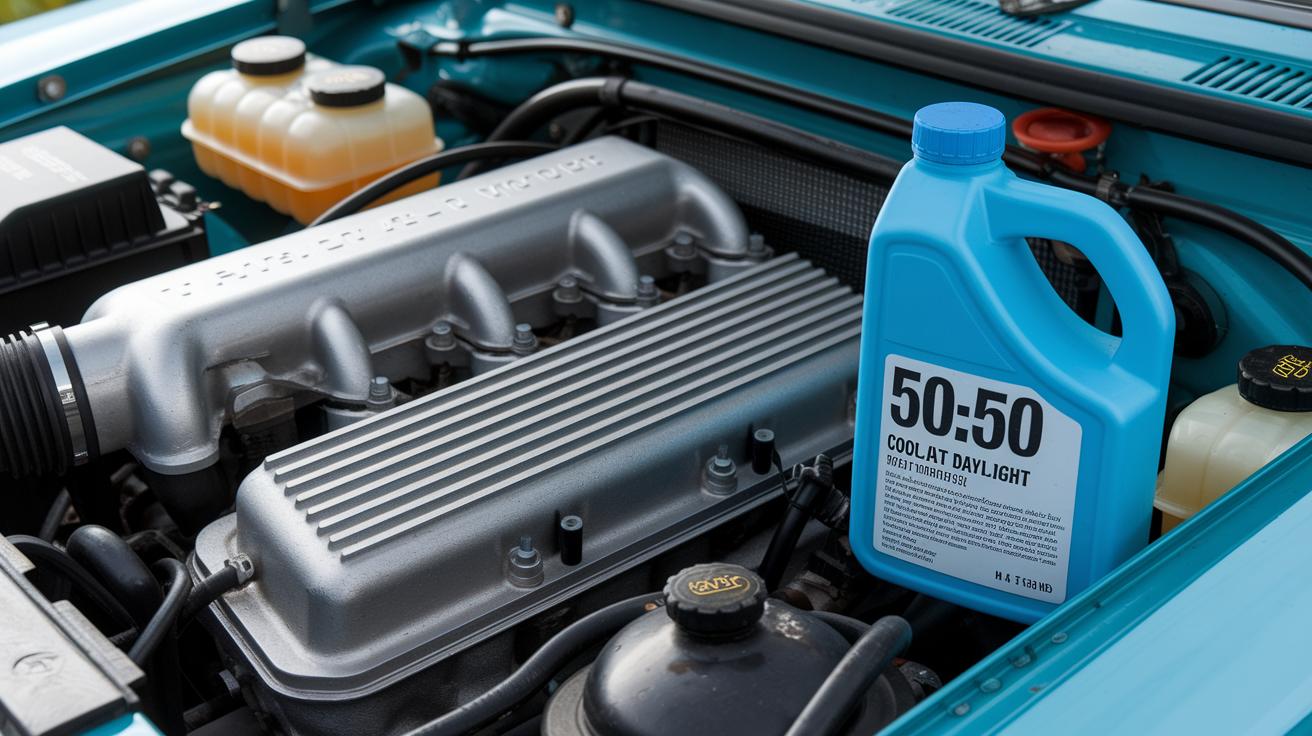
Keeping your engine cool and happy means scheduling regular radiator flushes and coolant changes. These flushes help wash away the old, gunky buildup that can slow down heat transfer. Most manufacturers recommend doing a full coolant flush every 30,000 miles or every 2 years.
Using the right mix is key. A 50:50 blend of glycol and water usually does the trick. This mix stops the coolant from freezing on cold mornings and boiling on hot days. And don’t forget, the radiator cap is essential too. A good cap keeps the pressure right and helps prevent leaks.
| Climate | Coolant:Water Ratio | Flush Interval |
|---|---|---|
| Summer | 50:50 | Every 2 years |
| Winter | 60:40 (more antifreeze) | Every 2 years |
| All-Season | 50:50 | Every 30,000 miles |
Taking the time for a proper flush gets rid of dirty coolant, which helps keep engine temperatures even during wild seasonal changes. This simple routine not only boosts engine performance but also cuts down the risk of overheating. Be sure to handle any hot fluids with care and always follow safety tips.
Look out for these signs that your coolant might need changing:
- Brown or rusty fluid
- Floating bits or sludge in the coolant
- A sweet smell from the fluid (that’s ethylene glycol)
- Bubbles in the reservoir
- Overheating after topping off the coolant
Regular radiator flushes and coolant changes extend your cooling system’s life and keep your engine running safely. And when you’re finished, remember to dispose of the old coolant in a way that’s safe for the environment, following your local rules.
Inspecting Hoses, Thermostat & Water Pump in Your Car Cooling System Maintenance
Every six months, give your hoses a good squeeze. Feel along each one to check for soft spots or hard areas where cracks or bulges might hide. Be extra careful around the ends by the clamps since that's where leaks often begin. If your hoses are showing signs of wear or damage, especially if they're over five years old, it’s a smart idea to replace them. A simple squeeze now can save you from a breakdown later.
Next, check your thermostat by watching how the engine’s temperature climbs over about five minutes. Grab an infrared or digital thermometer and see if the reading goes up steadily. If the temperature rise seems off or too slow, your thermostat might not be doing its job. Swapping it out can help your engine stay cool and run smoothly.
Lastly, take a look under your engine for any coolant drips that might signal a leaking water pump. Listen closely for any odd sounds coming from the pump bearings, as these could mean wear is setting in. A visual check for damp spots or rust also helps catch early signs of trouble. Many car makers recommend replacing the water pump around every 60,000 miles to keep your engine performing its best.
Troubleshooting Leaks and Faulty Components in Car Cooling System Maintenance
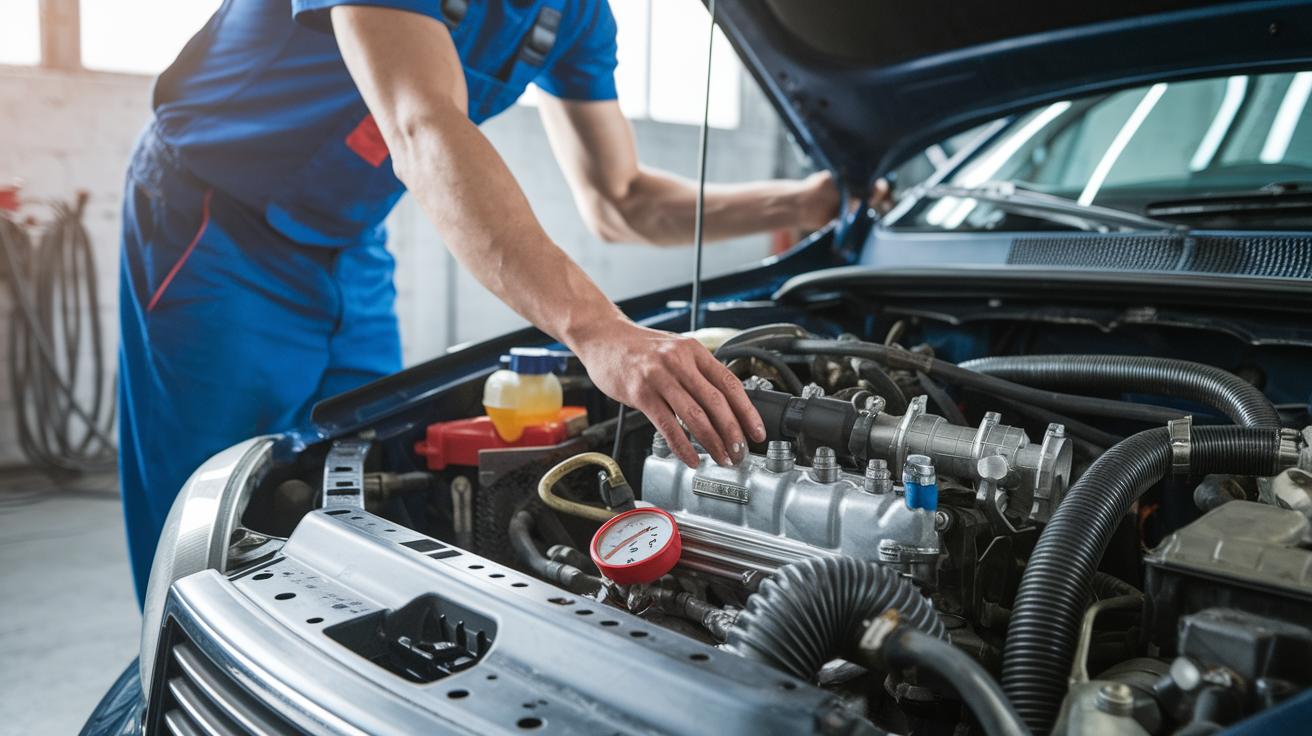
Start by checking for leaks in the usual spots. A few drops under the radiator might mean a loose hose or a failing clamp. Run a simple pressure test at about 15 psi on the cooling system, this small test can reveal leaks that are hard to spot. Also, check the radiator cap seal. A worn seal drops the system pressure and might even make the coolant boil over. Take a good look around hose joints too, because sometimes even a tiny drip can point you toward a bigger repair.
Next, keep an eye on your dashboard. If the temperature gauge jumps or a warning light comes on, something might be off. A sudden rise in temperature could mean a bad thermostat or even a hint of head gasket trouble, like spotting milky oil or white vapor out of the exhaust. These signals are your car’s way of saying, “Hey, check me out!” Once you notice these signs, decide if you can handle a quick fix yourself or if it’s time to bring in a professional before small problems turn into expensive repairs.
Scheduling Professional Servicing & Recommended Intervals for Car Cooling System Maintenance
It's important to follow your car maker's service suggestions to keep your cooling system running smoothly. Your owner's manual might say to flush the coolant every 30,000 miles and swap out the hoses every five years. This regular care helps stop little problems from turning into big, expensive issues.
At a service center, friendly technicians will pressure-test your cooling system, replace old radiator caps, and refill the system with fresh fluid. Catching a minor leak early, for example, might only cost you between $50 and $150 instead of a much pricier fix later if something major, like a head gasket or radiator, fails.
Budgeting for this maintenance can really help you in the long run. Think about whether a DIY fix is worth the risk or if a pro’s thorough check is the smarter choice. Keeping up with your scheduled service saves money and makes future expenses more predictable, ensuring your engine stays cool without breaking the bank.
Regular check-ups go a long way in protecting your long-term savings.
DIY Tools & Safety Precautions for Car Cooling System Maintenance
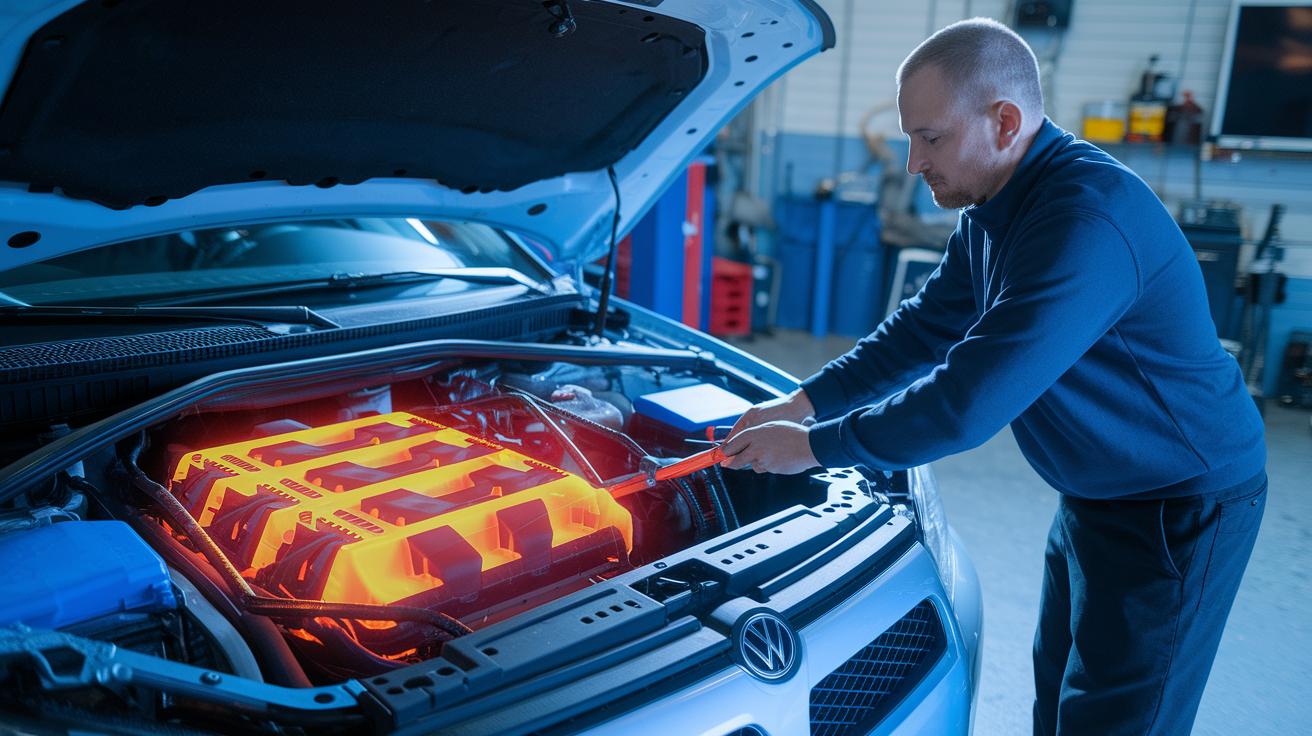
Working on your car's cooling system can be a breeze if you have the right tools and take a few safety steps. First, set up your work area by giving your engine bay a quick rinse to wash away any dirt or debris. This simple act helps keep contaminants away from your fresh coolant and makes the repair process smoother.
It’s all about being prepared. For example, using a coolant funnel lets you add fluids without messy spills. Keep a 10 mm wrench handy for those small adjustments on clamps and radiator caps. An infrared thermometer is great for checking engine temperatures accurately , it tells you when your engine is just right or needs some attention. And a pressure tester will help you make sure the system is holding steady pressure.
Don’t forget safety gear. Always wear nitrile gloves to protect your hands and guard against any fluid spills while you work.
Final Words
In the action, we broke down every key step to keep your engine cool and safe. From checking fluid levels and hoses to doing a thorough radiator flush, each tip aims to boost your confidence during car cooling system maintenance. We also covered troubleshooting leaks and knowing when a professional is right for the job. Keeping your routine in check means you’re fueling a long-lasting ride. Happy motoring and stay sharp with your next maintenance check!