
Ever wonder why your car stays cool even on the hottest days? It’s because of the coolant that works hard behind the scenes. Coolant is a mix of water and glycol (a liquid that helps absorb engine heat) that soaks up heat like a cool drink on a sweltering afternoon.
It not only keeps your engine at just the right temperature, but it also protects key parts from damage. When your car uses the right coolant, the engine runs smoothly and you dodge expensive fixes. Cool, right?
Car Coolant Drives Optimal Engine Performance
Car coolant, also known as antifreeze coolant, is a blend of water and glycol, usually ethylene glycol, mixed with a few special additives. It helps by soaking up heat from your engine and radiator and then releasing that heat into the air. This way, your car stays cool in hot weather and resists freezing in the winter by lowering the mixture’s freezing point.
When the coolant flows through the engine block, it carries away extra heat so your engine components don’t warp or suffer from burned oil. It also helps by lubricating moving parts, which reduces wear over time. Imagine a gentle river flowing through your engine, cooling it off and keeping everything running smooth.
Keeping the right coolant level is key to managing engine temperature. Always check the coolant when your engine is cold, and make sure it reaches the full mark on the overflow tank. Overfilling may cause a pressure build-up, while too little can lead to overheating. Regular coolant flushes also help by removing rust and sediment, which protects your engine from corrosion.
This fluid not only regulates temperature but also shields important engine parts, making it a must-know for every car owner. A little regular care and checking your coolant levels go a long way in keeping your engine healthy and performing at its best.
Car Coolant Types and Their Characteristics
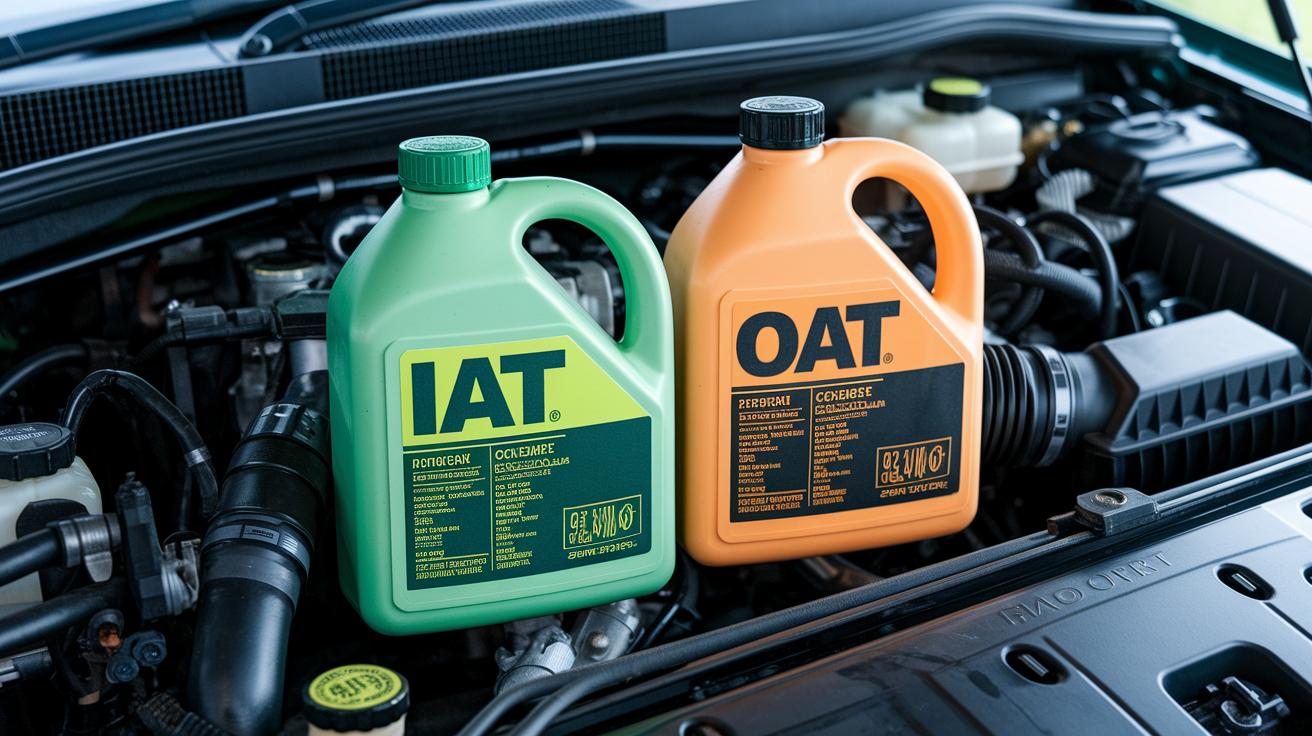
When you think about car coolants, picture a blend of glycol (a kind of antifreeze) with water and a few special additives. They come in different mixes to meet your ride’s needs and keep your engine safe.
Inorganic Acid Technology (IAT)
IAT coolants usually show up in green or yellow. They’re a popular pick for older cars because they use a basic mix of glycol and water with simple additives. You need to swap them every 2 years or about every 30,000 miles to stop rust and corrosion. It’s kind of like changing a drink that’s gone flat, your car needs a little refresh now and then.
Organic Acid Technology (OAT)
OAT coolants come in lots of colors, from dark green to orange, pink, and blue. They’re designed to last longer, often up to 5 years or around 150,000 miles. This mix uses more advanced additives to fight off corrosion and scale buildup. Think of it as a long-lasting sunscreen for your engine. If you’d rather not worry about frequent maintenance, OAT is a solid choice.
Hybrid Organic Acid Technology (HOAT)
HOAT coolants mix the best parts of IAT and OAT. They’re found in many modern cars and offer a middle-ground lifespan. They provide solid protection against rust, corrosion, and scale. Imagine blending two favorite flavors into one drink that not only tastes great but also keeps you refreshed for longer.
Each type is sold as a concentrate to mix with distilled water, or as a ready-to-use solution. Even though the color hints at the formulation, always check your car’s manual to be sure you’re using the right coolant for your engine.
Car Coolant Maintenance: Schedule and Procedures
Keeping your engine cool is key. Regularly checking your car's coolant helps prevent overheating. Always give it a quick look when the engine is cold. Peek at the overflow reservoir and make sure the fluid hits the "full" mark. Too little coolant can overheat the engine, while too much might create pressure problems.
It's a smart move to flush your coolant every 2 to 5 years, or as your car’s manual advises. This process clears out rust, scale, and sediment that can build up and harm engine parts. A clean coolant system helps keep everything running smoothly and can even stave off issues like warped parts or burnt oil.
Follow these simple steps for a proper coolant flush:
- Let the engine cool down completely.
- Drain the old coolant from the system.
- Flush the system with clean water or use a flush kit to clear out any debris.
- Refill with the right mix of coolant and water.
- Bleed any trapped air from the system.
- Check the radiator cap for damage or leaks.
- Confirm that the coolant level is at the full mark after finishing.
Regular maintenance like this not only keeps your engine reliable but also extends its life. For a detailed guide, check out changing coolant in car.
Car Coolant Troubleshooting: Common Issues and Diagnosis
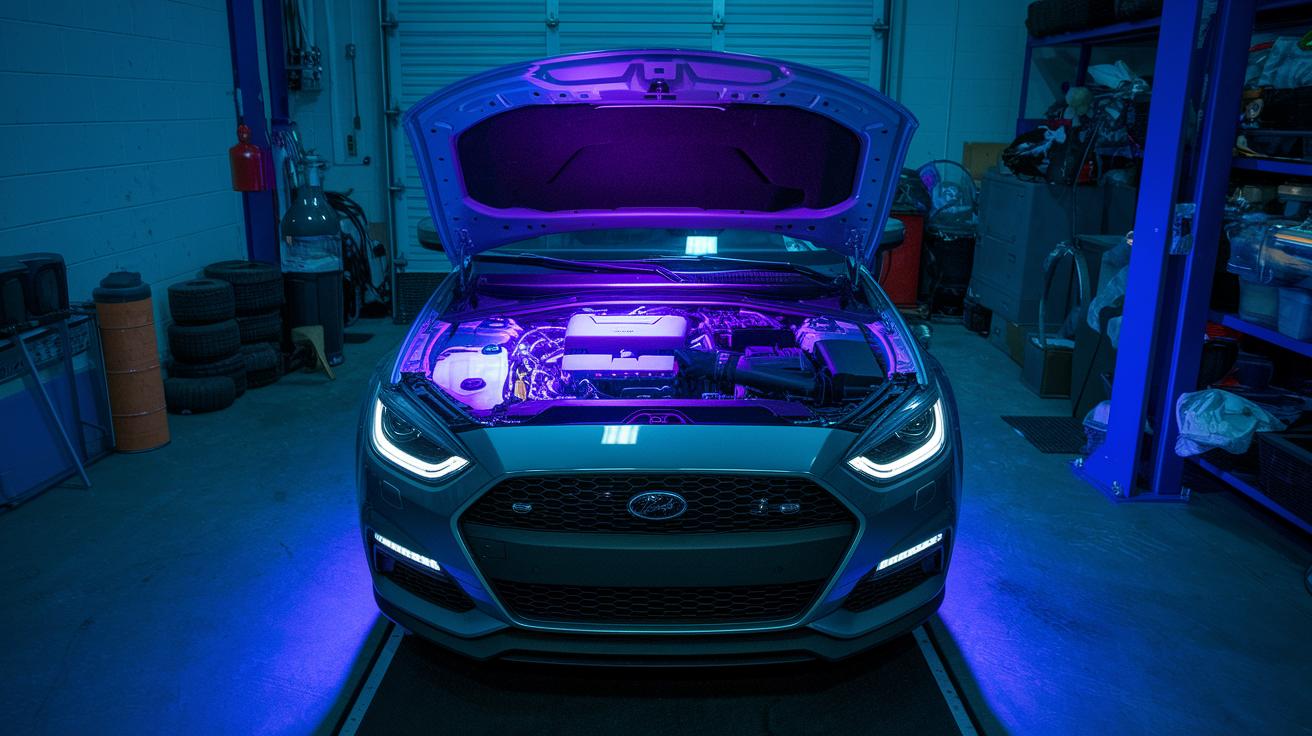
When your engine temp skyrockets or you notice steam or white smoke drifting from under the hood, it’s a pretty clear sign that your coolant system isn’t doing its job. You might also see dashboard warning lights and feel that the engine isn’t running as it should. These hints often point to things like a leaking hose or gasket, a worn-out water pump, or even a radiator cap that’s become loose or damaged.
Start by giving your cooling system a once-over. Look closely for any pools of coolant or drips around the hoses and gaskets. A cool trick is to mix in a UV-activated dye with your coolant. Under a black light, a leak will glow bright, almost like a neon sign along a hose, telling you exactly where the problem is.
If you notice white smoke coming from the exhaust, it might mean coolant is getting into the engine’s combustion chambers, possibly because of a head gasket failure. Running a simple pressure test can help you pinpoint the leak before it turns into a bigger headache.
- Inspect all hoses, gaskets, and the radiator cap for leaks.
- Run a pressure test on the coolant if you suspect an issue.
- Use UV-activated dye to track down hard-to-find leaks.
Car Coolant Selection: Choosing the Right Product
When you’re picking a coolant, the first stop should be your car’s manual. It tells you exactly what type of coolant your engine loves. It helps protect the engine from overheating and rust. If the maker’s coolant isn’t at hand, choose a universal one that meets ASTM and OEM standards.
Don't be fooled by color. A bottle might look pink, red, or blue, but what really matters is the formula itself. Always trust the details on the label rather than the color you see.
Coolant usually comes in two ways. One is a concentrate that you mix with distilled water. The other comes as a ready-to-use premix that’s already balanced. Prices and availability can change by brand and store, so check the specs carefully.
Here's what to keep in mind:
| Step | Tip |
|---|---|
| 1 | Review your vehicle manual |
| 2 | Check if the coolant meets ASTM and OEM standards |
| 3 | Compare costs and availability online |
| 4 | Read user reviews when you can |
Taking the time to compare specifications and charts now can save you from expensive fixes later. It’s a small, simple step that keeps your engine happy and safe.
Car Coolant Mixing Ratios and Performance
The basic 50/50 mix of water and coolant is a tried-and-true start. It keeps your engine safe by protecting it from freezing down to –34°F and preventing boiling over until about 265°F. Sometimes, when it’s colder than usual, you might want a 60/40 mix to boost the antifreeze levels. And in really hot places, a 40/60 blend can help manage those high temperatures.
Using distilled water is super important here. It stops minerals and build-up that could hurt your engine over time. If you’re mixing concentrate coolants, make sure to use distilled water. Ready-to-use coolants are already set up for peak performance, so no extra steps are needed.
Think about your local weather when you pick your mix. These simple tips help keep your engine protected no matter how extreme the climate is. A small adjustment with the right blend might be just what your ride needs to keep cruising smoothly.
Final Words
In the action, we explored the basics of car coolant, from how it regulates engine temperature to its role in protecting against rust and corrosion. We broke down different types like IAT, OAT, and HOAT, and outlined proper maintenance practices and diagnosis tips. We also looked at how mixing ratios impact performance and why following manufacturer advice is key. Keeping up with these tips will ensure your engine runs smooth and efficient with quality car coolant. Enjoy the ride and keep your engine healthy!
FAQ
What is a typical car coolant price?
The car coolant price can vary based on brand and type. Generally, you might pay between $10 and $30 per gallon, with costs changing based on whether you choose concentrate or pre-mixed solutions.
What does car coolant color indicate?
The car coolant color helps identify its formulation. Common shades like green, orange, pink, and blue point to different additive formulas; however, always check compatibility charts instead of relying on color alone.
Is coolant necessary for a car?
The necessity of coolant lies in its role to regulate engine temperature. It absorbs engine heat, prevents freezing in cold weather, and stops overheating, which keeps your engine running safely.
What is antifreeze coolant?
Antifreeze coolant is a mix of water and glycol that cools your engine while protecting it from freezing in winter and boiling over in summer. This blend also helps guard against corrosion in engine components.
Where can I buy car coolant?
Car coolant is available at auto parts stores, large retailers like Walmart, and local service centers. You can easily find both concentrate for mixing and ready-to-use options to suit your needs.
How do I add coolant to my car?
Adding coolant means carefully pouring it into your car’s overflow reservoir when the engine is cool. Follow your vehicle’s instructions to get the right mix and avoid overfilling.
What does car coolant do?
Car coolant works by transferring engine heat to the radiator, keeping your engine at a stable temperature. This process helps prevent overheating, freezing, and even corrosion within the engine.
What happens when the coolant is low?
Low coolant levels can cause your engine to overheat, release steam, or set off dashboard warnings. These signs indicate you need to top up your coolant to avoid costly engine damage.