
Ever wonder if your car's energy might be hiding in its battery? A weak battery can surprise you at the worst time, so checking it regularly can save you some serious headaches. Think of it like giving your car a quick health check to spot issues like rust on the wires or loose connections. With just a few simple tips, you can keep your battery charged and your ride going strong, no matter the weather.
Car Battery Maintenance Essentials for Longevity
This guide, published on January 25, 2025, lays out simple steps to help your car battery stay strong. Whether you have a regular lead-acid, an AGM, or a lithium-ion battery, knowing what makes each one special can help you give it the right care.
Start by checking your battery regularly. Look for signs of trouble like corrosion on the terminals, loose connections, or any damage to the battery case. A quick wipe-down with a damp cloth or a special cleaning solution can clear away the gunk that might lead to a short. And don’t forget, weather matters. Hot or freezing temperatures can throw off your battery’s performance, so keep an eye on the conditions.
Next, focus on how you charge your battery. Using a trickle charger or a device with float mode helps avoid overloading it. Running simple tests on your battery’s health can catch issues early, giving you a heads-up when it might be time to replace it or get some professional help.
Finally, always dispose of old batteries the right way. Doing so protects the environment while also keeping your car in top shape. Stick to these maintenance tips, and you’ll notice your battery lasts longer, keeps your ride lively, and saves you from unexpected problems on the road.
Inspecting and Testing Car Battery Health

Keep your ride in top shape by checking your battery regularly, every 3 to 6 months or before setting off on a long journey. A multimeter or battery tester makes it easy to see if your battery’s resting voltage is where it should be. If you get a reading of 12.4 V or higher, you’re good to go. If it’s lower, you might need to charge up or have a pro take a closer look. And listen for signs such as a slow engine start, a clicking sound, or dim headlights, those are clues that your battery might be struggling.
Here’s a quick checklist for checking your battery’s power:
- Use a multimeter to read the resting voltage.
- Look at the terminals and cable connections to see if there’s any corrosion or looseness.
- In batteries where you can check fluid levels, make sure there’s enough fluid and top up with distilled water if needed.
- Inspect the battery casing for any cracks, bulges, or leaks.
- Write down the test results and compare them with the manufacturer’s specifications.
When you explore diagnostic tools, rely on sources you trust, like popular car repair guides. Regular voltage checks and starter cell tests give you a clear picture of your battery’s health. Following these steps not only boosts your car’s performance but also helps you avoid unexpected trips to the mechanic.
Cleaning and Corrosion Prevention in Car Battery Maintenance
First, make sure to disconnect the cables safely to avoid any accidents. Start by taking off the negative cable, then the positive one. Next, mix water with baking soda and scrub the battery terminals using a wire brush. This wash helps remove tough corrosion and gunk that can block the flow of power. A clean terminal works like a spotless window for your car’s electrical system, letting energy flow without obstructions.
After scrubbing, wipe everything down with a damp cloth and let it dry completely before you reconnect anything. It’s also a good idea to clear out any rust, debris, or extra corrosion from the battery tray. Dry the tray well to keep moisture from causing leaks or short circuits. If your battery is a wet-cell type, check the fluid levels often and add distilled water carefully, making sure not to overfill. This keeps the acid balanced and the battery running smoothly.
Finally, coat the cleaned terminals with a thin layer of petroleum jelly or an anti-corrosion protectant to help keep rust at bay.
| Step | Action |
|---|---|
| 1 | Wear protective gloves and eyewear |
| 2 | Disconnect negative cable, then positive cable |
| 3 | Scrub terminals with a baking soda and water mixture |
| 4 | Wipe down components with a damp cloth and let dry completely |
| 5 | Apply a light coat of petroleum jelly or protectant |
| 6 | Reconnect positive cable, then negative cable |
Charging Best Practices for Car Battery Maintenance
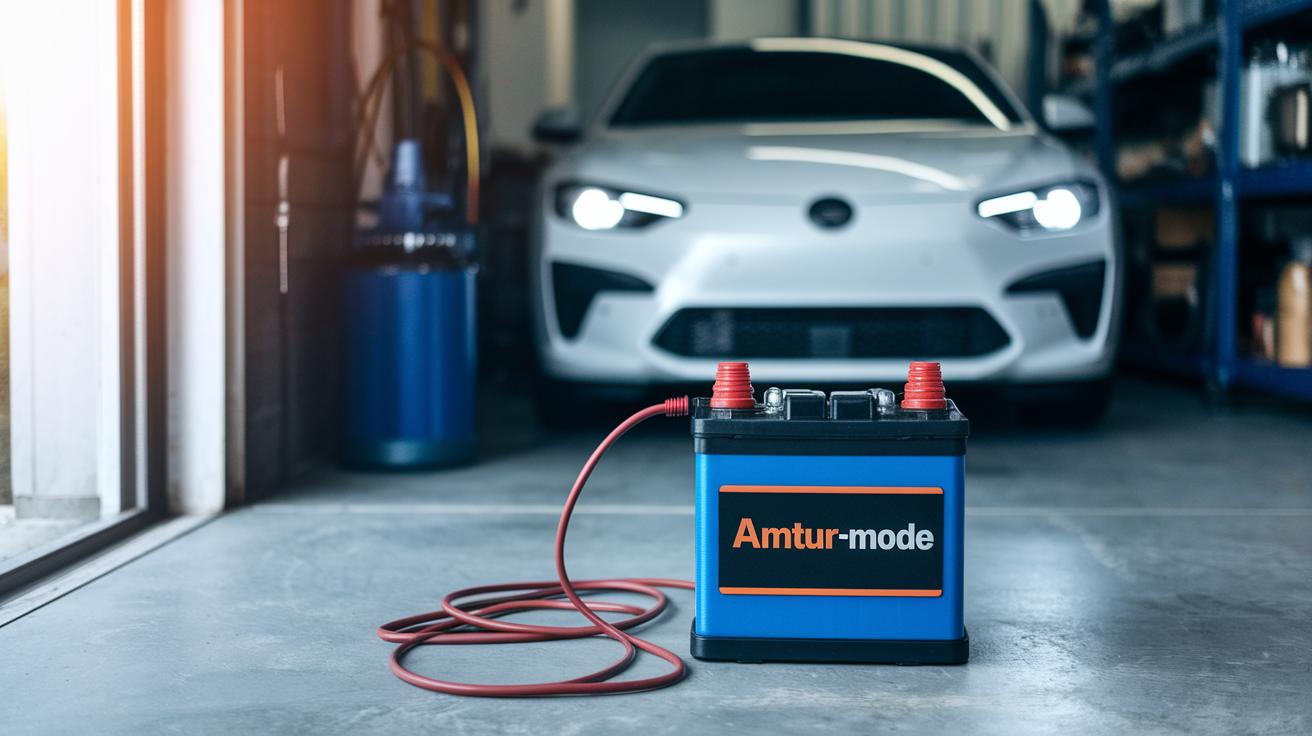
Keeping your battery in top shape means using the right charging techniques. When your car’s lying around or in storage, a trickle charger or battery tender set between 0.5 and 2 amps gives it a gentle, low-current charge. This slow refill helps keep the battery happy without putting too much stress on it. Float-mode chargers are a real lifesaver too, they only jump in when your battery’s voltage drops below a safe level, stopping any risk of overcharging. And don’t forget: always switch off everything like lights, radios, or any other electrical parts before you start charging. It’s a simple step that cuts any extra drain and makes the process safer.
Your battery needs a bit more than regular charging to really thrive. For everyday driving, try to take a 20 to 30-minute drive at least once a week. This gives your car’s alternator time to fully recharge the battery, it’s like a little boost that keeps things running smoothly. And when it comes to jump-starting, following the right sequence is key. One small mistake during a jump-start can end up costing you a lot by damaging the battery and even your car’s sensitive electronics.
Here are some easy practices to add to your car care routine:
- Use a trickle charger or battery tender for stored vehicles.
- Rely on float-mode chargers to avoid overcharging.
- Make sure to switch off all electrical devices before you plug in.
- Take a weekly drive long enough for the alternator to recharge your battery.
- Always follow the correct jump-start steps to protect your battery and electronics.
Stick to these habits and your battery will not only last longer, but your entire vehicle will be in safer, better shape. Now, isn’t that a reassuring thought for your next drive?
Seasonal Car Battery Maintenance Strategies
When the temperature drops, your battery can lose up to about 20% of its charge capacity right at 32°F. Using an insulation blanket, much like those recommended for winter car care, helps keep your battery at a steady temperature. Storing your car in a garage and driving it regularly for at least 20 to 30 minutes give the alternator a good chance to recharge the battery properly. Short, quick trips in freezing weather might not be enough and could result in a slow, sluggish start.
Winter Battery Care
In winter, taking care of your battery is key. Wrap it with an insulation blanket and, if you can, park it in a garage. Even a short drive might not recharge the battery enough, so try to take a longer drive each week. If your battery allows for maintenance, check the fluid levels more often during freezing weather. A little extra care, like making sure the battery terminals stay free from ice, can really pay off.
Summer Battery Considerations
Even in the heat, your battery needs attention. High temperatures can speed up fluid evaporation and cause other issues. Parking your car in the shade can help keep the temperature down. During heat waves, it’s a good idea to check your battery’s fluid levels more often to catch any problems early. Combining a few short trips into a longer drive helps the alternator do its job more efficiently, keeping your battery strong no matter the weather.
Recognizing When to Replace and Professional Battery Maintenance
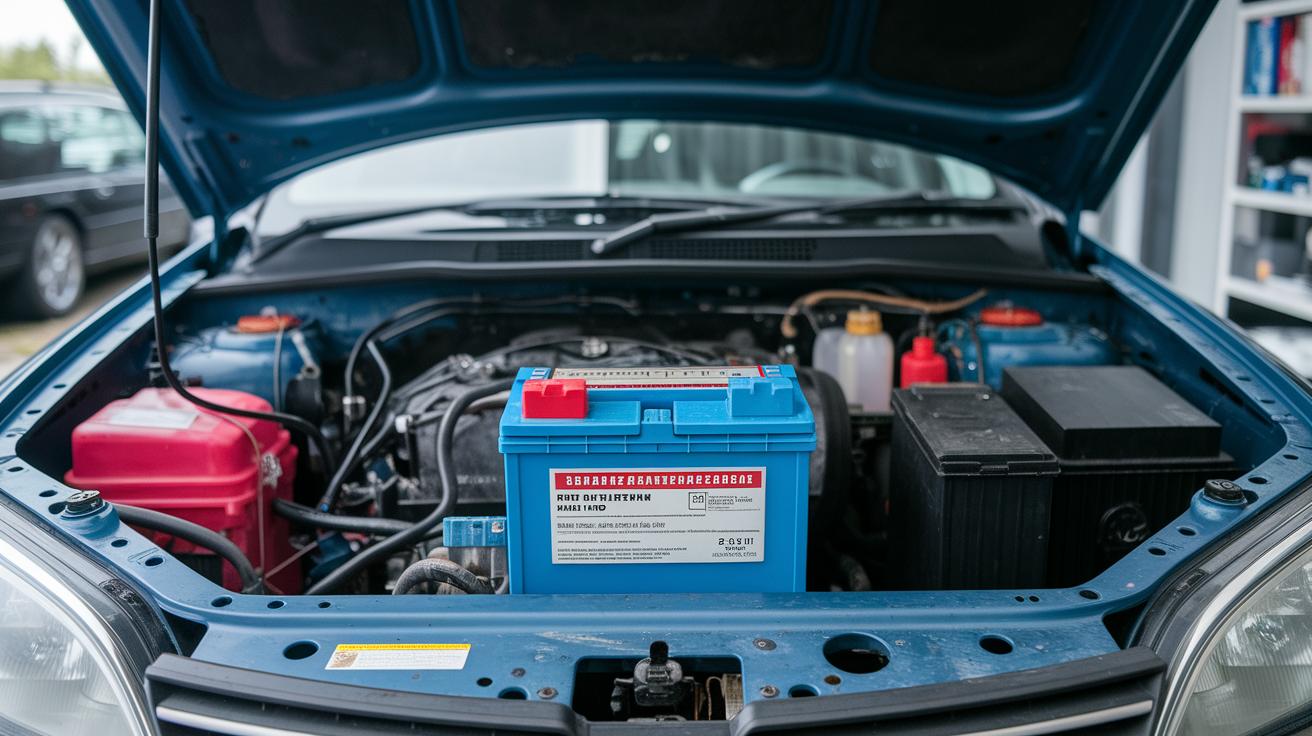
A car battery usually lasts about three to five years. If you notice the engine starting slowly, hear grinding or clicking sounds from the ignition, or see your lights get dim and flicker, it might be a sign your battery is tired. Sometimes, you might even see a swollen or cracked battery case or smell a rotten-egg odor from leaking gas. If a test shows your battery is below 80% capacity, it’s a good idea to think about replacing it.
Keeping an eye on your battery is just part of a smart upkeep routine. Regular checkups can help you catch discharge issues before they turn into bigger problems. When you test your battery, compare how it’s doing with what the manufacturer promised. This way, you get a clear idea of whether it’s better to fix it or just get a new one. Often, if the battery isn’t performing as it should, replacing it is less expensive than trying to repair it.
For hands-on battery care, expert shops can look over the inner workings of your battery and break down the service costs for you. And when it’s finally time for a new battery, make sure you take the old one to an authorized recycling center. That way, you’re not only taking care of your car, but you’re also doing your bit to help the environment.
Final Words
In the action, this guide walked you through car battery maintenance essentials by breaking down inspection steps, cleaning methods, proper charging practices, and ways to adjust care for seasonal changes. It explained different battery types and safe handling steps while emphasizing a proactive approach.
Regular checks, corrosion prevention, and safe charging can keep your ride running smoothly. Stick with these tips and techniques so your battery performs at its best, and enjoy the benefits of careful car battery maintenance on every drive.
FAQ
What does a car battery maintenance checklist include and what maintenance does a car battery need?
The maintenance checklist covers checking fluid levels, cleaning terminals with a baking soda solution, inspecting cables for corrosion, and testing voltage with a multimeter. This routine helps keep the battery running smoothly.
What is the cost of car battery maintenance?
DIY tasks like cleaning, fluid top-offs with distilled water, and inspections are budget-friendly, while professional services may add extra costs that vary by location and service type.
How should I use distilled water for battery maintenance and know when my battery needs water?
Use distilled water only to top off your battery when fluid levels are low; you can tell it needs water by checking indicator levels in serviceable batteries.
How do I maintain and service my car battery at home, especially when it’s not in use?
When your car sits idle, disconnect the battery or use a trickle charger. At home, always wear gloves, disconnect the cables, clean terminals, check fluid levels, and reconnect cables safely.
What charger and maintenance kit should I use for my car battery?
A trickle or float mode charger prevents overcharging while a maintenance kit—usually with cleaning tools, terminal protectant, and distilled water—helps you keep the battery in top shape.
How do I keep my car battery healthy?
Keep your battery healthy by doing regular inspections, cleaning terminals, charging it safely, and checking fluid levels often. This proactive care fuels long-lasting battery performance.