
Ever think your car's air conditioner might be secretly boosting your ride's efficiency? A few easy fixes can help your car run better and keep your cabin cool. Try swapping out a dirty filter and cleaning those condenser fins. I remember one hot day, feeling that cool breeze and realizing that it wasn't magic at all, it was proper care. When you look after your AC, you're not just beating the heat, you're also saving on fuel and a few repairs. Stick with these tips and enjoy every cool drive.
DIY Car Air Conditioner Maintenance Checklist
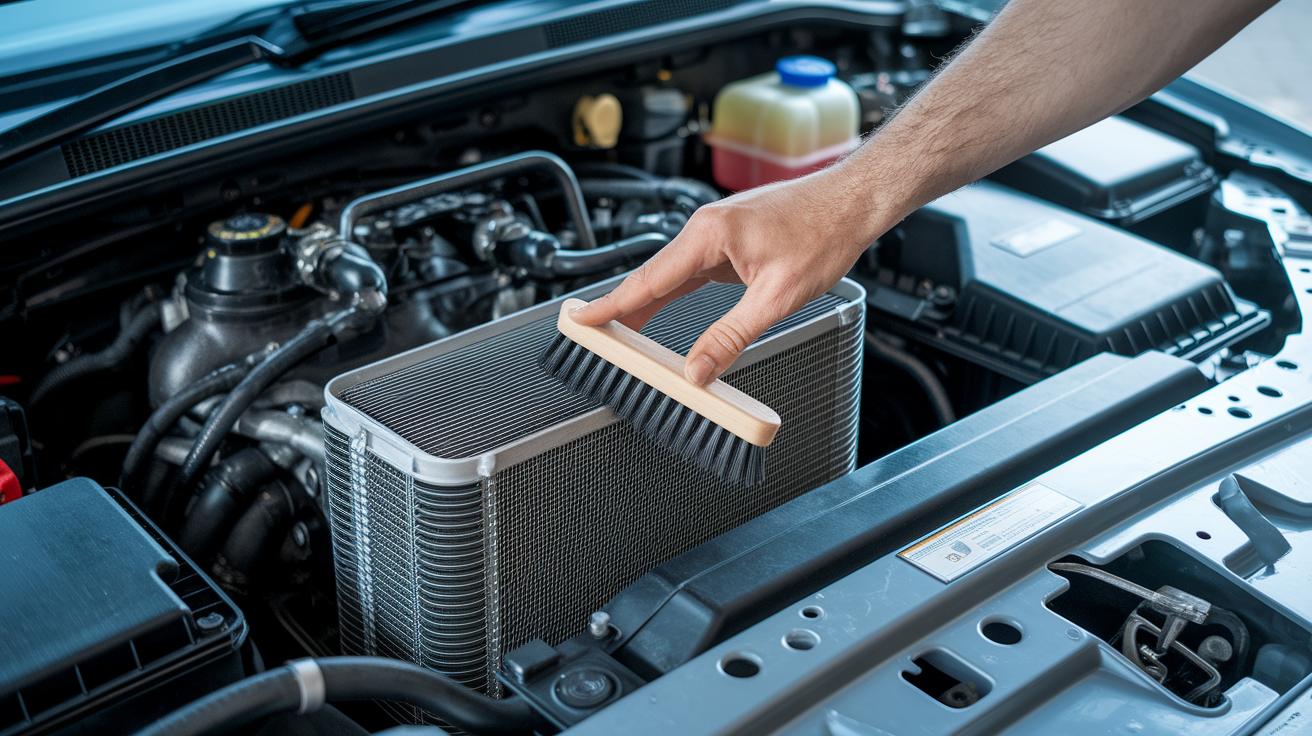
Keeping your car’s AC in tip-top shape can be really simple when you follow these easy steps. Regular care not only makes sure your AC runs smoothly but it can even boost your car’s fuel efficiency by up to 10 percent when you swap out a clogged air filter.
-
Change your auto cooling filter once a year. A fresh filter means cleaner air inside your car and less work for your AC. I remember switching mine and thinking, “Wow, the air feels so much fresher now!”
-
Gently clean the condenser fins with a soft brush and water. Removing dirt and debris helps the air flow freely, so your AC can keep you cool without any hiccups.
-
Keep an eye on refrigerant levels. If your AC seems weaker, it might be low on refrigerant, which is the magic fluid that makes your AC cool. When that happens, ask yourself, “Could low refrigerant be behind this?” and check some handy guides on car coolant.
-
During the winter, run your AC for a little bit now and then. This short run keeps the system’s parts nicely lubricated, so they’re ready to go when the heat kicks in.
-
Finally, book a yearly or twice-yearly check-up with a trusted technician. An expert can spot leaks or low fluid before they turn into big problems and keep your system in great shape.
For even more handy DIY tips and overall car care advice, look up some "car maintenance tips for beginners". Stick to these steps and you’ll enjoy a cool, efficient ride all year long.
Key Car A/C Components and Their Maintenance
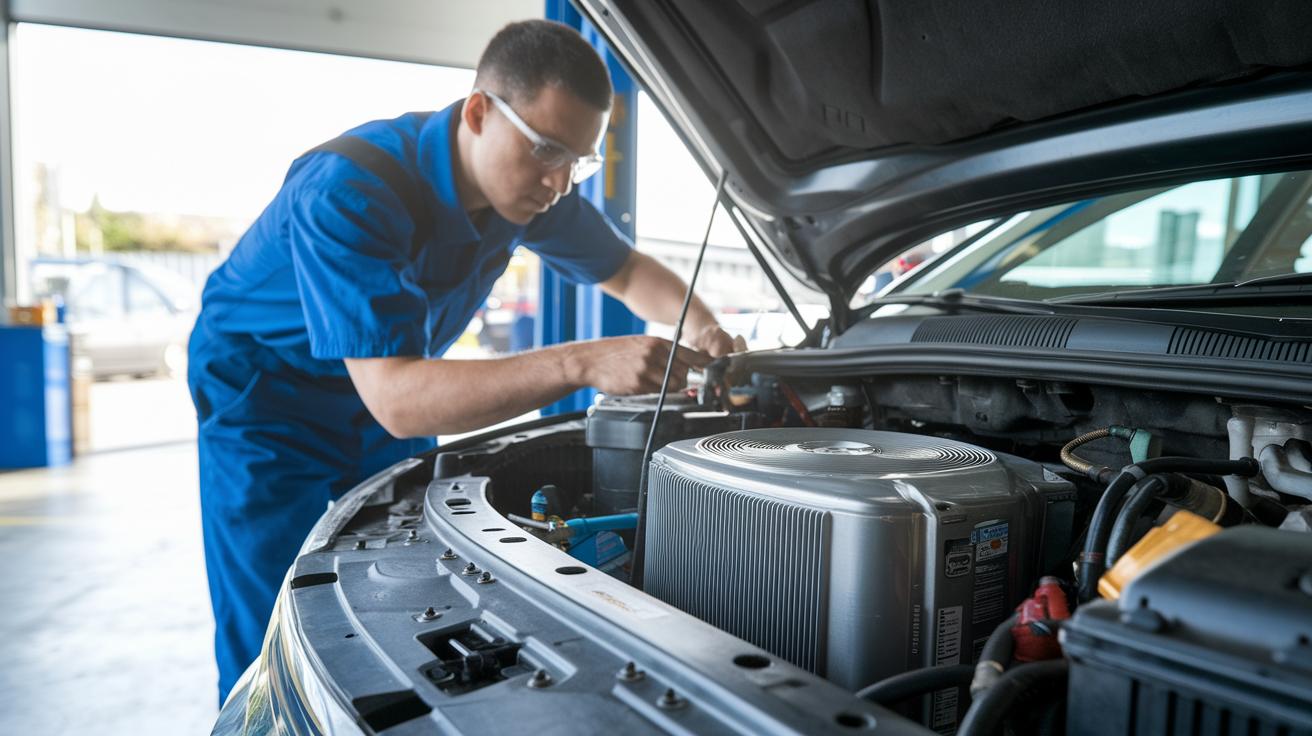
Your car’s AC system works with four main parts, and each one needs a bit of care. Here’s a simple guide to help you keep everything running smoothly:
-
Compressor lubrication
The compressor moves the refrigerant around, much like a pump. Keeping it well lubricated is like oiling a bike chain, it helps everything move without extra strain. -
Cleaning condenser fins
The condenser cools down the refrigerant by releasing heat. When you clean its fins, you allow air to flow freely. Think of it like giving your car’s radiator a good clean to keep it efficient. -
Evaporator coil cleaning
The evaporator absorbs heat to bring cool air inside your car. Dirt and mold can block its airflow and cause odd smells. It’s like cleaning a fan’s filter to make sure you get a steady breeze. -
Checking refrigerant levels
Refrigerant is the heart of the cooling cycle. Regular checks ensure you have the right amount for your AC to work well. Too much or too little can hurt its performance.
Regular care of these parts will help your AC stay cool and efficient, no matter the season.
Troubleshooting Common Car A/C Issues

Car air conditioner maintenance isn’t just about cleaning filters or wiping down surfaces. Sometimes, you have to play detective when your AC starts blowing warm air even though it’s switched on. One common hiccup is weak cooling. That might happen because of refrigerant leaks (the fluid that cools your air), a bad compressor (the pump for this fluid), or even a blocked condenser (the part that releases heat). Keep an ear open for any unusual sounds like grinding or squealing. Those noises could mean your compressor bearings are wearing out or a drive belt is loose.
If your dashboard shows odd temperature readings, it might be a sign that the refrigerant pressure isn’t where it should be or that the condenser isn’t losing heat properly. Also, if the air from your vents feels weak, a clogged cabin filter could be the problem. A simple check is to start your engine, listen for strange noises, and then take a look at the condenser fins to see if debris is clogging them.
Sometimes you might notice a musty or foul smell coming from your vents. That odor could signal mold or mildew inside the system, which means moisture is stuck and blocking the air. For those who like to fix things on their own, try a simple leak detection by checking for oily residue around the connections and seals. This can help clear up low airflow before you decide to call in a professional.
If these checks still leave you with issues, it might be time to dive into more detailed repair guides. Addressing these problems early can help prevent bigger issues later and keep your ride cool and comfortable on those hot days.
Freon Recharge and Leak Detection Methods for Car A/C

When you work on a freon recharge, safety always comes first. Make sure you wear gloves and eye protection, and do your work in a well-ventilated area. First, use certified recovery tools to take the pressure out of the system. Always check that the system is completely depressurized so you avoid any accidental exposure to refrigerants.
Stick closely to the manufacturer's directions. Attach the high and low side gauges to the right ports and keep an eye on the pressure as you add freon. Look at the service manual for the exact pressure limits and recovery steps. For example, one model might say to work within 75 to 85 psi under normal conditions.
| Manufacturer | Recommended Pressure (psi) |
|---|---|
| Brand A | 75-85 |
| Brand B | 70-80 |
Before you begin the recharge, double-check every connection. Follow the recovery equipment instructions carefully to keep the system running smoothly and avoid any damage to the parts.
Seasonal Car Air Conditioner Maintenance Schedule
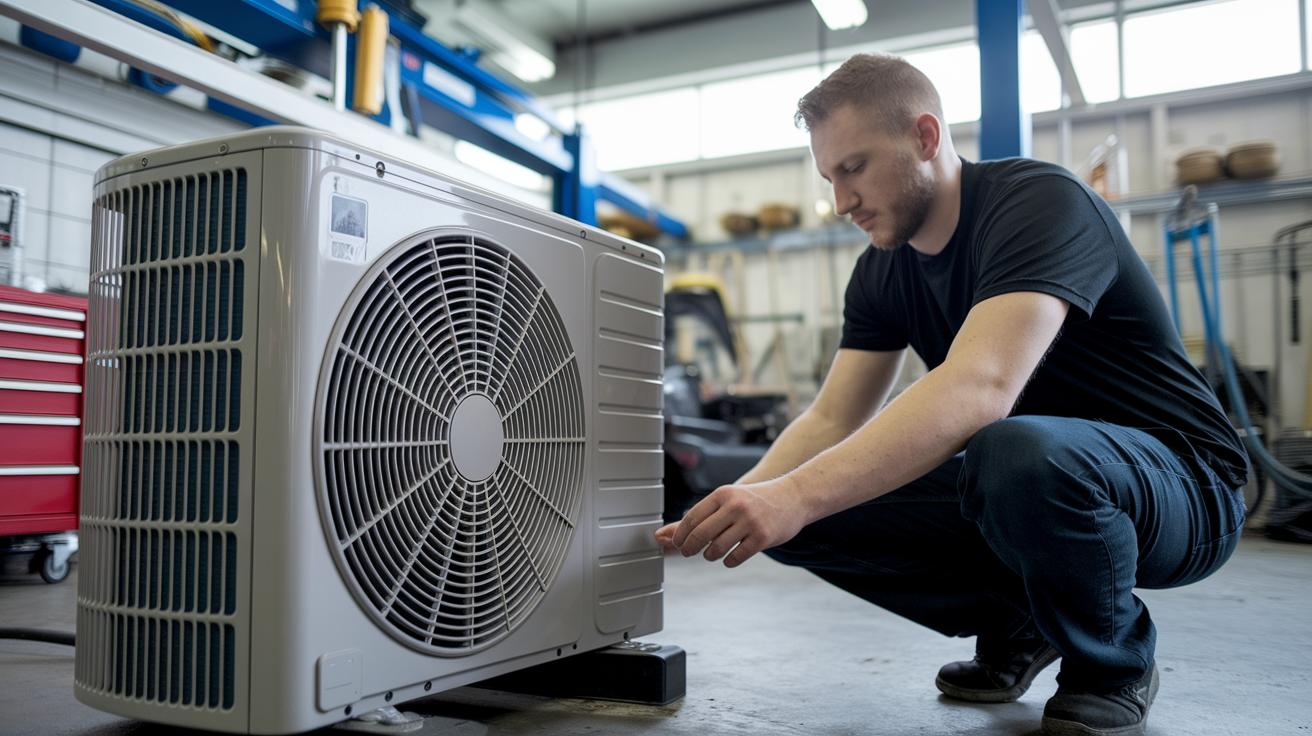
Keep your car's AC in top shape by following these easy seasonal tips. For a deeper dive into maintenance, check your full DIY checklist.
| Season | Task |
|---|---|
| Spring | Clean the cooling fins and check the refrigerant pressure to get ready for warm weather. Remember, even a bit of debris can slow airflow like a clogged vacuum filter. |
| Winter | Run the AC for a few minutes each month to keep seals lubricated and prevent parts from stiffening. A quick five-minute start is like giving your engine a good stretch. |
| Annual | Schedule a professional auto A/C inspection to catch early signs of wear, such as old belts, low fluids, or leaks. |
When to Seek Professional Car A/C Service

Sometimes your car’s AC shows signs that a quick fix just isn’t enough. If you hear odd noises coming from the compressor or notice the cooling power is fading, it’s a good idea to call in a pro. Professionals have the right tools to find issues like worn belts, refrigerant leaks (that’s the chemical that keeps the air cool), or electrical faults that you might miss during a regular check.
For example, if you try a simple test at home and still aren’t sure about the refrigerant level, or if you pick up hints of compressor trouble even after routine maintenance, a certified technician can give you a clear answer and make the right repairs. Many service centers even bundle AC checks with other routine services like oil changes, brake inspections, and computer diagnostics. This way, you know exactly what you’re paying for and can keep all your car’s systems working smoothly.
When major parts like the compressor or refrigerant recovery components need fixing, only experienced AC specialists can offer the quality work your car deserves. You might want to check out certified centers, like auto tech, where warranty coverage and affordable climate repairs come as part of the package.
Final Words
In the action, we explored a step-by-step DIY checklist for keeping your ride cool. This guide walked through filter changes, cleaning, and regular refrigerant checks. We also covered key AC components and simple troubleshooting steps to help you catch issues early. Remember, regular car air conditioner maintenance not only boosts performance but also prevents costly fixes later. Keep your system clean, run brief checks in winter, and set an annual inspection to stay ahead. Enjoy the refreshed drive knowing your AC is set for smooth performance throughout the seasons.
FAQ
What is the cost of car air conditioner maintenance?
The car air conditioner maintenance cost depends on service type, parts, and location. Basic upkeep typically ranges from around $100 to $300, while repairs or part replacements may cost more.
What should a car air conditioner maintenance checklist include?
The car air conditioner maintenance checklist includes cleaning the condenser fins, replacing filters, checking refrigerant levels, and running the system periodically in winter to keep components lubricated.
How can I find car AC maintenance near me?
The car AC maintenance near you can be found by checking local auto service centers or dealerships that offer dedicated AC diagnostics as part of regular car upkeep packages.
How do I fix my car AC if it’s blowing hot air?
The car AC blowing hot air often points to issues like refrigerant leaks or a failing compressor. A quick check of refrigerant levels and cleaning the condenser may help, but persistent issues need professional help.
Where can I get a free car AC check?
The free car AC check is sometimes offered at local service centers or dealerships during promotional events or as a complimentary part of routine maintenance packages.
Does a car air conditioner need maintenance?
The car air conditioner needs maintenance to extend its lifespan, improve fuel efficiency, and prevent issues such as refrigerant leaks, component wear, and mold buildup in the system.
How often should a car air conditioner be serviced?
The car air conditioner should be serviced annually, with extra check-ups each season to inspect refrigerant levels, clean components, and address issues before extreme temperatures set in.
How do you maintain an air conditioner in a car?
The air conditioner in a car is maintained by routinely replacing filters, cleaning condenser fins, checking refrigerant levels, and running the system in winter to ensure seals stay lubricated and ready for summer use.