
Have you ever thought that a simple fluid change might give your car a quick burst of energy? Many believe that just draining and refilling does enough, but a full transmission fluid exchange really takes things up a notch.
When you replace the old fluid, your gears shift much smoother, like a sports car that goes from a stop at a red light to speeding off without any hiccups. Stay tuned to see how this smart maintenance tip not only boosts performance but can also help you avoid extra repair costs.
Automatic Transmission Fluid Exchange Service Boosts Power
Regular fluid exchanges make your car run smoother and feel more powerful. The transmission fluid cleans, cools, and lubricates the moving parts, so everything stays in good working order. Over time, the fluid wears out and gathers dirt. Unlike a simple drain-and-refill that only clears the pan, a full exchange removes nearly all the old fluid, cleaning hidden spots like the pan, torque converter, and cooler lines.
This process uses special tools to pump out the used fluid and replace it with fresh transmission fluid. With clean fluid, the gears work more smoothly and efficiently, giving you a boost when you hit the accelerator, kind of like giving your engine a refreshing sports drink.
Here's an interesting fact: many drivers had no idea that switching to a full fluid exchange could lead to smoother gear shifts and a quicker engine response. This smart maintenance tip not only improves performance but also helps avoid expensive repairs caused by worn-out fluid.
By replacing the contaminated fluid, you reduce friction and wear on key parts, which keeps your gearbox in top shape. A regular fluid exchange turns an everyday drive into a more responsive, powerful experience, making your car feel just like a finely tuned machine.
Benefits of Regular Transmission Fluid Exchanges
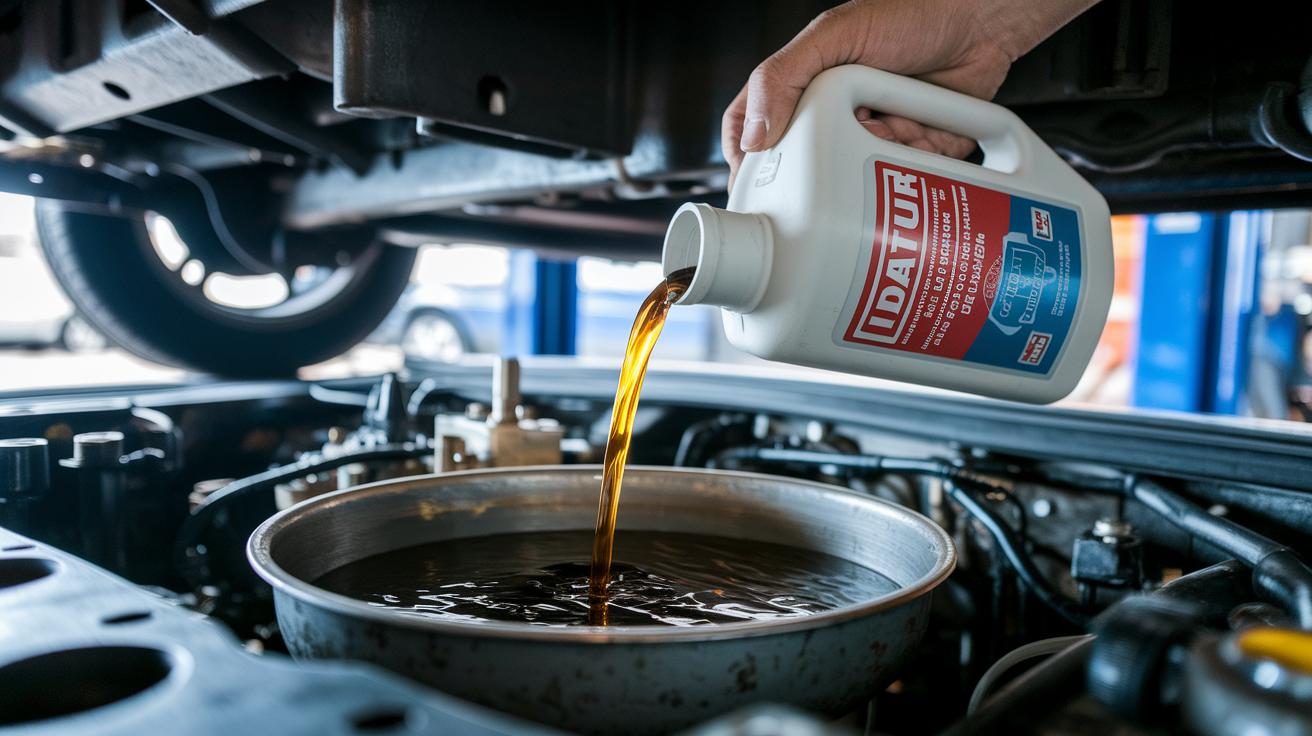
Regular fluid exchanges help clear away dirt and grime that can cause sludge buildup, kind of like when a coffee filter gets clogged if you never clean it. That old fluid can block the smooth flow of your transmission's inner parts, making everything work harder.
Fresh transmission fluid always maintains just the right thickness, whether it's hot or cold outside. This means each gear gets the proper lubrication, keeping friction low and shifting smooth. Plus, it helps protect key parts like seals from wearing out too fast.
Skip your scheduled change and you might notice rougher shifting and more strain on the transmission over time. It’s a simple step that keeps your ride running better, longer.
Warning Signs That Call for a Fluid Exchange
If you start to notice that your transmission fluid seems old or dirty, it might be time for a change. A burnt smell from the transmission is a clear sign the fluid is breaking down. When you check the dipstick and see that the fluid is dark and gritty instead of clear and bright, that's another warning. Delayed gear changes or shifting that feels off usually means the fluid isn’t working as it should.
Look for these hints:
- A burnt smell coming from the transmission.
- Fluid on the dipstick that is dark or has little bits floating around.
- Gear changes that hesitate or slip.
- Harsh shifting or unexpected vibrations while driving.
Imagine starting your car and catching a whiff that reminds you of burnt toast. It may seem small, but it tells you that your transmission fluid might be losing its power. Taking care of these issues early can help you avoid expensive damage later on.
Step-by-Step Transmission Fluid Exchange Procedure

Before you get started, gather all your tools. You’ll need a drain pan, fresh transmission fluid, a new filter and gasket, and sometimes a special machine if you're doing a flush. There are two common ways to change your transmission fluid: a machine-assisted flush or a pan-drop exchange.
For a machine-assisted flush, attach the machine to the transmission's cooler lines. It will pump out nearly all of the old fluid from the pan, the torque converter (the part that helps transfer power), and the cooler lines. You need a bit extra fluid at first to prime the system and fill the machine’s reservoir. Think of it like giving your car a full refresh that cleans out even the hidden spots in your transmission.
If you choose the pan-drop exchange, start by carefully removing the transmission pan. Let the old fluid drain out into your catch container. After the fluid is drained, replace the filter and gasket so everything seals well. Then, put the pan back on and top it off with new fluid. This method usually replaces less than half of the total fluid because it mainly clears out what sits in the pan, leaving behind the fluid in the torque converter and cooler lines.
Machine-Assisted Flush vs Pan-Drop Method
| Method | Key Points |
|---|---|
| Machine-Assisted Flush | Reaches more areas, requires extra fluid for priming, and gives a thorough cleaning. |
| Pan-Drop Exchange | A manual method that uses less fluid and is faster if you’re on a budget, but cleans mainly the pan. |
Follow these steps closely and always check your car’s manual for any special instructions. Regular maintenance, whether done by machine or by hand, helps keep your transmission shifting smoothly and boosts your car’s overall performance.
Transmission Fluid Exchange: Cost Breakdown
When you need a transmission fluid exchange, you typically have two choices: a machine-assisted flush or a pan-drop exchange. The machine-assisted option uses extra fluid to fill its reservoir and run a priming cycle. This extra fluid, along with more labor time, bumps up the cost. On the flip side, a pan-drop exchange uses less fluid and usually takes less time, which means it’s kinder on your wallet.
There are a few key things that will affect the price. Fluid type is one big one. Then there are the costs for replacing the filter and gasket, labor rates can differ a lot, and even local shop fees play a role. Often, independent shops charge less than dealerships, which might include extended warranties and specialized tools to justify a higher price.
Consider these factors:
- Fluid type: Synthetic oils cost more than regular ones.
- Labor rates: Prices can change depending on where you live.
- Filter and gasket replacement: If these parts need changing, the overall bill can go up.
When weighing your options, think about the benefits and costs. A flush gives you a full clean and can lead to smoother shifts, but it may cost more because of the extra fluid and time. Meanwhile, a pan-drop exchange might be just right if your fluid isn’t too worn out and you’re looking to keep expenses low.
Recommended Service Intervals for Optimal Transmission Health
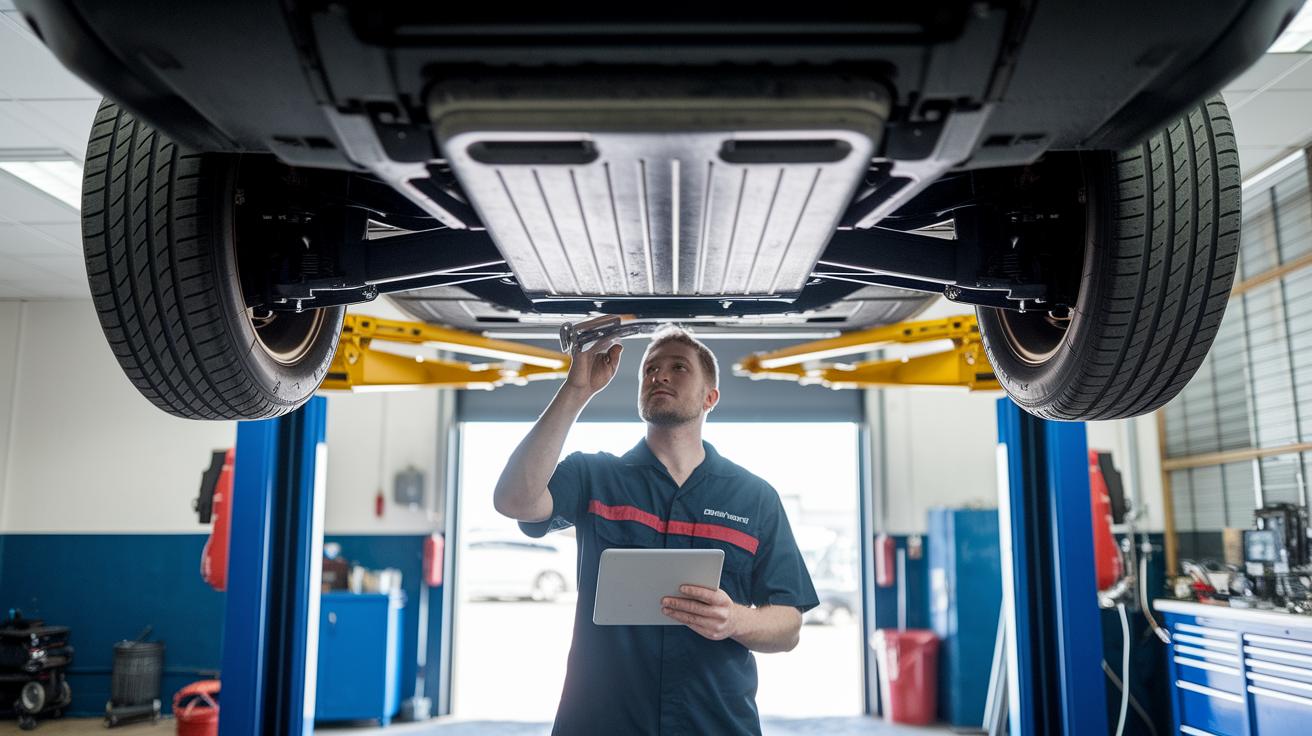
Stick to your car maker’s advice. If you’re doing a lot of heavy-duty driving, like towing or lots of stop-and-go traffic, you might need a transmission fluid change around every 15,000 miles. For everyday driving, though, some vehicles can go up to 100,000 miles before a fluid replacement is needed. Each service should also involve swapping out the fluid filter so it can catch any unwanted particles and keep your transmission running smoothly.
Regular upkeep not only makes your shifts smoother but also helps reduce wear on your transmission. Check your owner’s manual for your car’s specific recommendations and don’t skip these simple steps. Getting your service done at a trusted center means technicians stick to all the right guidelines.
Keeping up with this routine protects your investment and makes sure every gear shift is as smooth as possible. It helps catch issues early so you can avoid bigger problems down the road.
For more tips on keeping your transmission happy, visit how to maintain a car.
Selecting a Professional Transmission Service Provider
Looking for a transmission fluid change? Make sure your service center has ASE-certified techs who really know their stuff. These experienced pros can quickly spot problems and suggest the best fix for your car. Picture handing your ride over to someone who treats it like their own.
There are plenty of local shops available, so ask for recommendations or check online reviews from trusted sources. Take time to compare dealer warranties with independent guarantees and pick a center that uses the right fluid exchange machine. It’s one thing to claim quality service, but having the right gear makes all the difference.
Pre-booking your appointment online saves you time and hassle. A top provider also makes sure old fluids are disposed of properly. Imagine a place where every step is smooth and clear, just like a friendly auto team that keeps your car running strong. Choosing a reliable transmission service means you get personal care and honest, clear communication that builds trust over time.
Common Questions on Automatic Transmission Fluid Exchanges
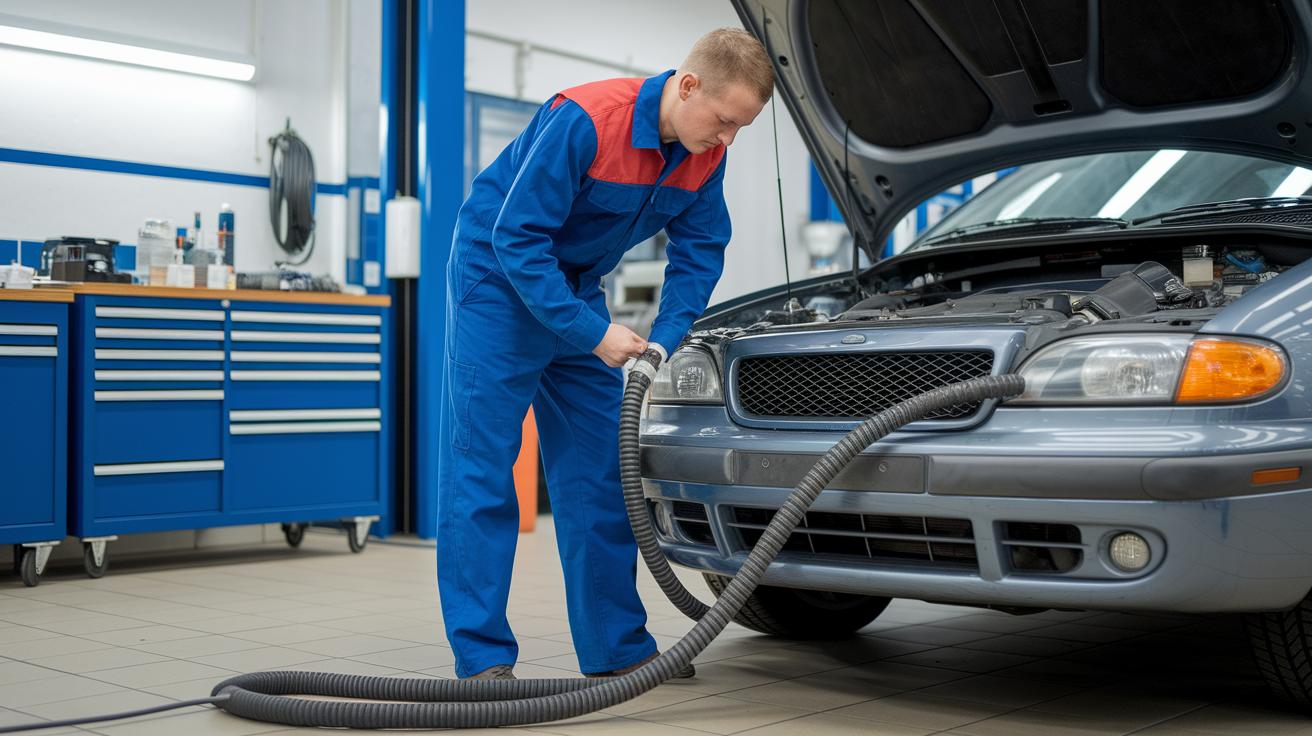
Ever wondered what sets a flush apart from an exchange? With a flush, a machine pushes nearly all the old fluid out by running new fluid through the cooling lines, while an exchange mainly drains fluid from the pan. Think of it like this: one method replaces almost every drop, whereas the other just swaps out the top layer.
Another hot topic is whether it's safe to flush high-mileage transmissions. If the transmission hasn’t gotten regular fluid service, a flush might stir up hardened sludge that could lead to damage. So, caution is definitely a good idea in this case.
People also ask about choosing between synthetic and conventional fluids. Synthetic fluids do a better job at handling high temperatures and keep their thickness longer. There’s lots more to learn about synthetic versus high-mileage oil if you’re interested.
Some folks even wonder if they can handle the fluid change themselves. While DIY methods are possible, they can be risky if you don’t have the right tools or know-how. And if you’re curious about the time it takes, most services take between 30 to 60 minutes, depending on the method and your vehicle’s condition.
- What’s the key difference between a flush and an exchange?
- Is it safe to perform a flush on a high-mileage transmission?
- When should you opt for synthetic versus conventional fluids?
If you’re leaning toward a DIY approach, keep in mind that using specialized equipment often gives a cleaner, more thorough job than doing it by hand. That extra bit of care can make sure your transmission stays in great shape.
Final Words
In the action, we explored how an automatic transmission fluid exchange works, its benefits, the warning signs, and the cost factors to consider. We touched on the step-by-step process and service intervals to keep your transmission in top shape. You now have a clear picture of why an automatic transmission fluid exchange service is essential compared to a simple drain and refill.
Keep this guide handy and drive with confidence knowing your transmission will perform better and last longer.
FAQ
Frequently Asked Questions
What is automatic transmission fluid exchange?
Automatic transmission fluid exchange is a process that replaces most of the old fluid—including fluid in the pan, torque converter, and cooler lines—with fresh fluid. This method cleans, lubricates, and cools key transmission parts better than a simple drain and refill.
Is transmission fluid exchange service necessary?
Transmission fluid exchanges become important when signs like a burnt smell, dark or gritty fluid, or delayed shifting appear. Regular exchanges help maintain proper viscosity, reduce gear wear, and extend the life of your transmission.
How often does automatic transmission fluid need to be changed?
Automatic transmission fluid typically needs replacing between 15,000 and 100,000 miles, depending on driving conditions and manufacturer guidelines. Monitoring for signs like slipping gears or vibrations can also signal it’s time for a change.
What is the cost of an automatic transmission fluid exchange?
The cost varies based on service type, fluid type, and local rates. Machine-assisted flushes generally cost more than pan-drop changes due to extra fluid and labor. Look out for coupons to get a better deal.
Where can I find the best automatic transmission fluid exchange service near me?
The best local service is offered by certified mechanics using proper equipment. Whether you choose an independent shop or a dealer, checking reviews and booking appointments online can help you find a reliable provider.