
Have you ever wondered if your Acura's great performance starts with simple care? Regular service is like following a trusted recipe where every little step counts.
Skipping a check-up or delaying an oil change can throw your engine off balance. By keeping to your service schedule, you're mixing just the right parts to keep your engine happy and running smooth.
In this post, we'll share some easy tips that make car care a breeze. With a few smart steps, you can enjoy a safe ride and that lovely purr every time you hit the road.
Acura maintenance: Smart care for peak performance
Your owner's manual is like a trusted guide for keeping your Acura running strong and smoothly. Following the factory schedule helps you dodge unexpected repairs and keep everything in shape.
Think of these service steps as following a favorite recipe. Each maintenance milestone, whether it's an oil change every 7,500 miles or six months, a tire rotation every six months, or a monthly tire pressure check, plays a key role in keeping your ride at its best. Regular oil changes ensure your engine parts stay clean and well-lubricated, while careful tire care boosts your fuel efficiency. Plus, a coolant flush every two years helps ward off overheating problems, and having your brakes inspected twice a year can catch issues before they turn into big headaches. I once chatted with a fellow car fan who said, "Sticking to these milestones really pays off in the long run."
Using genuine Acura parts is another smart move. These parts are made to fit perfectly, last longer, and resist rust, keeping your car true to factory standards. For instance, changing your engine air filter every one to two years with the right part makes sure your engine gets the proper oxygen flow it needs. This kind of care keeps your car as reliable as the day you drove it off the lot.
Acura Maintenance Schedule by Mileage
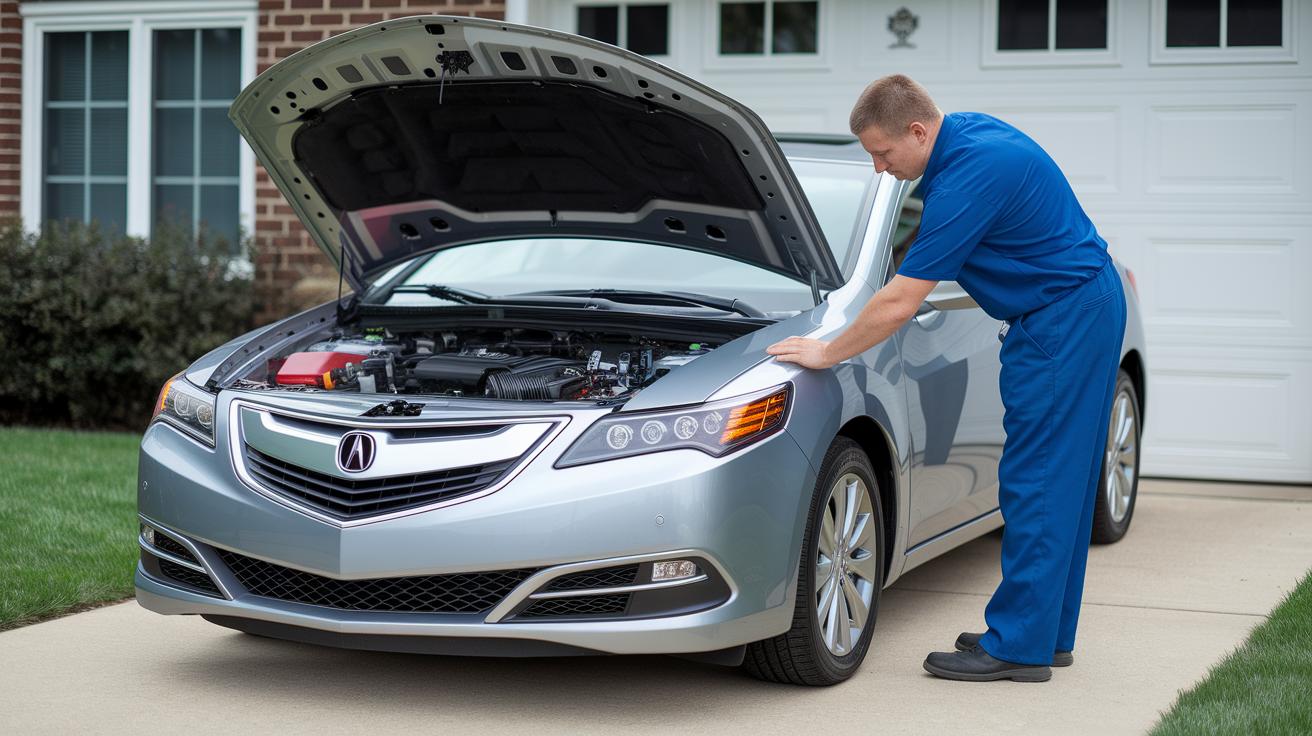
Keeping your Acura in top shape is easier than you might think. Stick to the mileage milestones and you’ll enjoy a smoother, safer ride. Regular check-ups not only keep your engine happy but also help you dodge expensive repairs later.
Following the recommended service schedule means your car stays safe and efficient, making maintenance a simple routine. Take a look at the handy table below that breaks down what to do at key mileage points:
| Mileage | Service Task | Frequency |
|---|---|---|
| 7,500 mi | Oil & filter change, tire rotation | Every 7,500 miles |
| 15,000 mi | Cabin & engine air filter replacement, brake inspection | Every 15,000 miles |
| 30,000 mi | Coolant flush, fuel system check | Every 30,000 miles |
| 60,000 mi | Transmission fluid service, spark plug replacement | Every 60,000 miles |
| 100,000 mi | Timing belt replacement (if needed), major inspection | Every 100,000 miles |
Remember, these milestones are just a guideline. If you live in extreme weather, haul heavy loads, or drive on dusty roads, you might need to check filters and brakes more often. A buddy once told me, "Regular check-ups keep surprises off the road," and it really makes sense. Always give your owner’s manual a quick look before changing your routine to ensure your Acura runs at its best.
Calculating Acura Oil Change Cost
It’s smart to keep an eye on your oil change expenses so you know exactly where your money is going and can avoid any surprises down the road. Regular oil changes do more than just keep your Acura looking good, they help keep your engine healthy and running smoothly.
Below are some typical costs you might encounter:
| Service Type | Cost Details |
|---|---|
| Dealership Synthetic Oil Change | $70–$100 (includes filter) |
| Independent Shop Synthetic Service | $40–$60 (oil and filter) |
| Genuine Acura Filters | $10–$15 more than aftermarket options |
| Maintenance Interval | Every 7,500 miles or six months |
Using tools like budgeting apps or even a simple log can make tracking these expenses a breeze. When you jot down each oil change cost, you start to see the bigger picture of your Acura’s upkeep. It also gives you a chance to compare different service options or find oil coupon deals that save you extra cash.
So next time you’re at the garage, take a minute to note down what you paid. Little bits of tracking really add up, helping you manage your budget and keeping your Acura in peak condition.
Acura Specific Service Checklists: A1, B1, B12 & B16

Acura's Maintenance Minder system is like having a friendly assistant that reminds you when your car needs some attention. It uses simple codes to show which service is due next, helping both you and your mechanic stay on track. This system breaks down car care into easy steps, ensuring your Acura stays safe and reliable.
A1 Service
- Oil and filter change
- Tire pressure check
- Reset maintenance minder
The A1 service is your basic tune-up, keeping your engine clean and your tires properly inflated. It kicks off Acura's maintenance routine.
B1 Service
- All A1 tasks
- Tire rotation
- Brake inspection
- Check all fluid levels
B1 builds on the A1 service by adding a tire rotation to even out wear, along with a brake and fluid check to catch issues early.
B12 Service
- All B1 tasks
- Replace engine air filter
- Replace cabin air filter
- Inspect the fuel system
B12 steps things up by swapping out the engine and cabin air filters and giving the fuel system a quick once-over, ensuring smooth performance and clean air inside.
B16 Service
- All B1 tasks
- Change transmission fluid
- Replace spark plugs
- Flush the coolant
B16 is a more in-depth check. In addition to the basics, it handles a transmission fluid change, spark plug replacement, and a coolant flush, perfect for keeping your engine ready for tougher conditions.
After any service, make sure to reset the Minder display using your dashboard controls. This simple reset wipes away old reminders and sets up the next service interval, keeping your Acura's care up to date.
Troubleshooting Acura Maintenance and Error Codes
When your check engine light turns on, grab an OBD-II scanner to see what’s going on. Codes like P0011 (this tells you the variable valve timing is off), P0171 (your fuel system might be too lean), and B2326 (something’s up with the oil pressure sensor) give you early clues about potential issues.
Dashboard symbols and scanner readings work together to help you figure out problems quickly. If a warning keeps coming back or sticks around for a while, it’s a clear sign that your car might need further attention.
After you read the codes, follow the reset steps outlined in your owner’s manual. Press your dashboard’s reset button once you’ve cleared the trouble codes with your scanner. I once heard a fellow Acura owner say, "A proper reset saved me from recurring warnings." That really shows these steps can help get things back to normal.
If the codes pop up again after a reset, it’s smart to get a professional opinion. Repeating codes might hide problems with the engine, brakes, or sensors, and a trained technician can inspect those parts to keep your Acura running at its best.
Regular checks are crucial. Not only do they help avoid major issues and unexpected repair costs, but keeping error codes in check also protects your engine, improves fuel efficiency, and boosts overall performance.
Managing Acura Maintenance Costs and Service Options

When you care for your Acura, picking the best service spot can be a bit of a balancing act. Dealerships have certified techs, genuine parts, and solid warranty coverage to give you peace of mind. But they also tend to be pricier. Meanwhile, independent shops usually offer lower labor costs and a more flexible schedule, although the parts they use might not always be the same as those from a dealer. In the end, it really comes down to whether you’re after long-term reliability or a bit of a budget-friendly fix.
| Option | Pros | Cons |
|---|---|---|
| Dealer Shops |
Certified techs that stick to factory standards Use of genuine Acura parts for a perfect fit and lasting durability Warranty coverage for extra reassurance |
Higher labor rates can make services costlier |
| Independent Shops |
Lower labor costs to ease your budget Flexible scheduling that might match your busy life |
Part quality can vary and might affect performance Warranty coverage may not be as complete as dealer options |
Here are a few practical tips to help you decide: Use a simple car maintenance app or log to keep track of your expenses and service history. It’s an easy way to see where your money goes and find opportunities to save. You can also check free locator tools online or ask other drivers for recommendations to find trusted service centers near you. And if you’re ever unsure, getting a second opinion and comparing quotes from both dealerships and independent shops can really help you balance cost with quality.
Final Words
In the action, we broke down simple steps that keep your ride running smooth, ranging from oil and filter changes to troubleshooting error codes. We learned how sticking to your model’s schedule can make acura maintenance manageable for everyone. Breaking down the service checklists and weighing service options shows that keeping up with routine work isn’t hard when you know what to do. Enjoy the ride as you make smart, budget-friendly decisions for your vehicle’s upkeep and long-lasting performance.
FAQ
Q: What are Acura maintenance costs and are they expensive to maintain?
A: The Acura maintenance cost covers routine services like oil changes every 7,500 miles, tire rotations, and inspections using genuine parts. Generally, their upkeep is reasonable and helps prevent costly repairs.
Q: How does Acura’s maintenance schedule by mileage work?
A: Acura recommends a mileage-based service schedule with tasks at 7,500, 15,000, and 30,000 miles. Following this schedule boosts performance and helps avoid common issues.
Q: How do Acura Maintenance Minder and service codes help track upkeep?
A: The Acura Maintenance Minder uses codes, such as A1 and B1, to signal when specific service tasks are due. These alerts prompt timely oil changes, tire rotations, and fluid checks.
Q: What do Acura service codes like 7, A1, and B1 indicate?
A: Acura service codes like 7, A1, and B1 denote established sets of maintenance tasks. For example, A1 covers oil and filter changes, while B1 includes tire rotation and brake checks.
Q: What is the most common problem with Acura vehicles?
A: The most common Acura issue often involves minor electrical glitches or routine component wear. Regular maintenance according to the factory schedule can catch these issues early.
Q: How is maintenance on an Acura performed?
A: Acura maintenance follows a set schedule of regular oil changes, tire rotations, and fluid checks. This routine keeps the vehicle safe, efficient, and performing at its best.
Q: Does Acura come with free maintenance?
A: Acura vehicles do not include free maintenance. Owners pay for services as outlined in the factory schedule, ensuring the car is cared for with genuine parts and reliable service.