
Have you ever wondered what happens when you skip on engine care? Even a little neglect can turn that smooth, satisfying drive into one filled with expensive fixes.
Your engine is like the heart of your car, it needs regular check-ups to keep running at its best. Think about the way a well-tuned engine purrs smoothly on the road. Regular maintenance helps avoid breakdowns and even boosts fuel efficiency.
In this guide, we share a simple checklist to help you keep your engine in top shape. Next time you hit the road, you can drive with confidence knowing your engine is well-cared for.
Comprehensive Car Engine Maintenance Checklist

Your engine is the heart of your car, and looking after it is really important. Regular care not only keeps your ride safe but also saves you from expensive repairs. This checklist is here to help you get the best performance, save on fuel, and keep your engine happy.
First up, changing your engine oil and filters. It’s best to follow the car maker’s advice, usually every 5,000-7,500 miles. Think of it as giving your engine a fresh start. The same goes for replacing air and fuel filters when they start wearing out.
Next, check your coolant levels every month. Make sure you have the right mix of water and antifreeze (a 50/50 blend) to stop your engine from getting too hot.
Also, give a look at your belts and hoses. Watch out for any cracks or signs of wear. Damaged belts can mess with your engine’s timing, and worn hoses might leak, which can be a real headache.
Don’t forget about your spark plugs. They play a key role in keeping the engine’s combustion smooth. Regular inspection and service mean your car always gets the power it needs.
Keep an ear out and stay alert. If you see any warning lights on your dashboard or notice odd noises like a knocking sound, it might be time to get a closer look. Even a small issue today can turn into a big problem tomorrow.
Lastly, stick to a routine of scheduled check-ups. A quick visit to the mechanic now can help you dodge a breakdown later on.
By taking these simple steps, your engine stays cool, efficient, and strong. It’s not just about performance, regular maintenance cuts down on harmful emissions and even boosts your car’s resale value. Check your owner’s manual for specific intervals, and enjoy the peace of mind that comes with a well-maintained engine.
Diagnosing and Troubleshooting Common Engine Problems

Start by taking a simple walk around your engine. A quick check might save you a big repair bill. If you notice puddles nearby or strange smells in the air, it could be a sign that your engine needs a closer look. Low oil levels, overheating, clunky fluid systems, worn belts, or cracked hoses are typical issues that can cause more trouble down the road.
First, give your engine bay a good visual inspection. Look under the car for any spills or drips. Then, hook up an OBD-II scanner to check for any trouble codes that might point to a problem. Grab your flashlight to inspect hard-to-see spots like belts, hoses, and fluid levels. Listen carefully, too, any knocking or sputtering might be hinting at misfires or other issues.
| Symptom | Probable Cause | Diagnostic Step |
|---|---|---|
| Oil Leak | Worn gasket or cracked hose | Look for puddles and check seals |
| Overheating | Low coolant or bad thermostat | Check coolant levels and test the thermostat |
| Misfire | Old spark plugs or issues with injectors | Inspect spark plugs and run a cylinder test |
| Loss of Power | Fuel delivery problems or a clogged filter | Scan with the OBD-II tool and examine the fuel system |
Take your time and go step by step. This clear approach helps you spot issues early before they become big problems.
DIY vs. Professional Car Engine Servicing Explained

Taking care of your engine can be a fun and satisfying project. Changing the oil, replacing the oil filter, switching out an air filter, or topping up the coolant are jobs you can usually do at home with just a few basic tools like wrenches, jack stands, and funnels. I’ve been there, grabbing my torque wrench and drip pan to quickly finish an oil change gives a real sense of accomplishment.
But some jobs are just too tricky for a DIY fix. Replacing a timing belt or chain, adjusting belt tensioners, or doing a full cooling system flush need special tools and a lot of experience. In these cases, a professional mechanic can ensure everything is done right, keeping your warranty intact while spotting any hidden issues that could become problems later. Sure, doing some work yourself might save you money and bring a bit of pride, but it also carries the risk of a mistake if you're not careful. Regular check-ups can help you decide when it’s okay to roll up your sleeves and when it’s best to hand the job over to someone you trust.
Essential Component Inspections for Car Engine Longevity
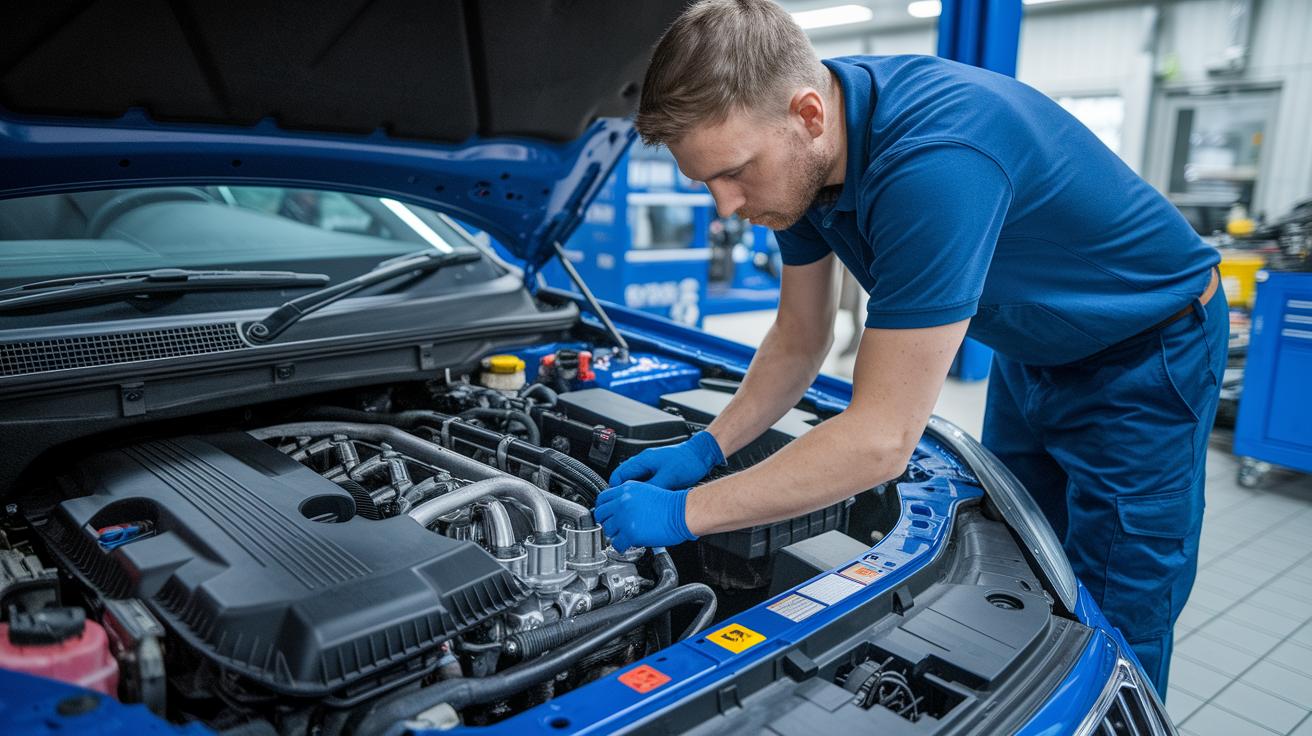
Start with your spark system. Check the spark plugs and ignition wires to make sure they’re in good shape and set to the right gap. A well-set spark plug helps your engine run smoothly. It’s a bit like cleaning a flashlight’s contacts before you use it.
Next, inspect the cylinder head gasket area. Look around the bolts for any leaks and make sure everything is tightened properly. This check helps keep your engine from overheating or getting damaged.
Then, take a look at the combustion chamber. Using approved fuel additives or a bit of manual cleaning can help remove deposits and keep your engine running efficiently. A little cleaning now can prevent buildup that might hurt performance later.
Also, check the timing belt or chain. Look for signs of cracking or fraying and ensure it’s at the correct tension as specified by the manufacturer. A failing timing belt can lead to big engine issues, so it’s important to keep it in check.
Finally, do a belt and hose check. Inspect hoses and clamps in the coolant system for any soft spots, swelling, or leaks. Keeping the coolant level in check helps prevent overheating and ensures all parts work together smoothly. If you drive a diesel, remember to also check the turbocharger assembly and the fuel injectors to keep your engine performing at its best.
Cooling System Maintenance and Radiator Service for Engine Protection
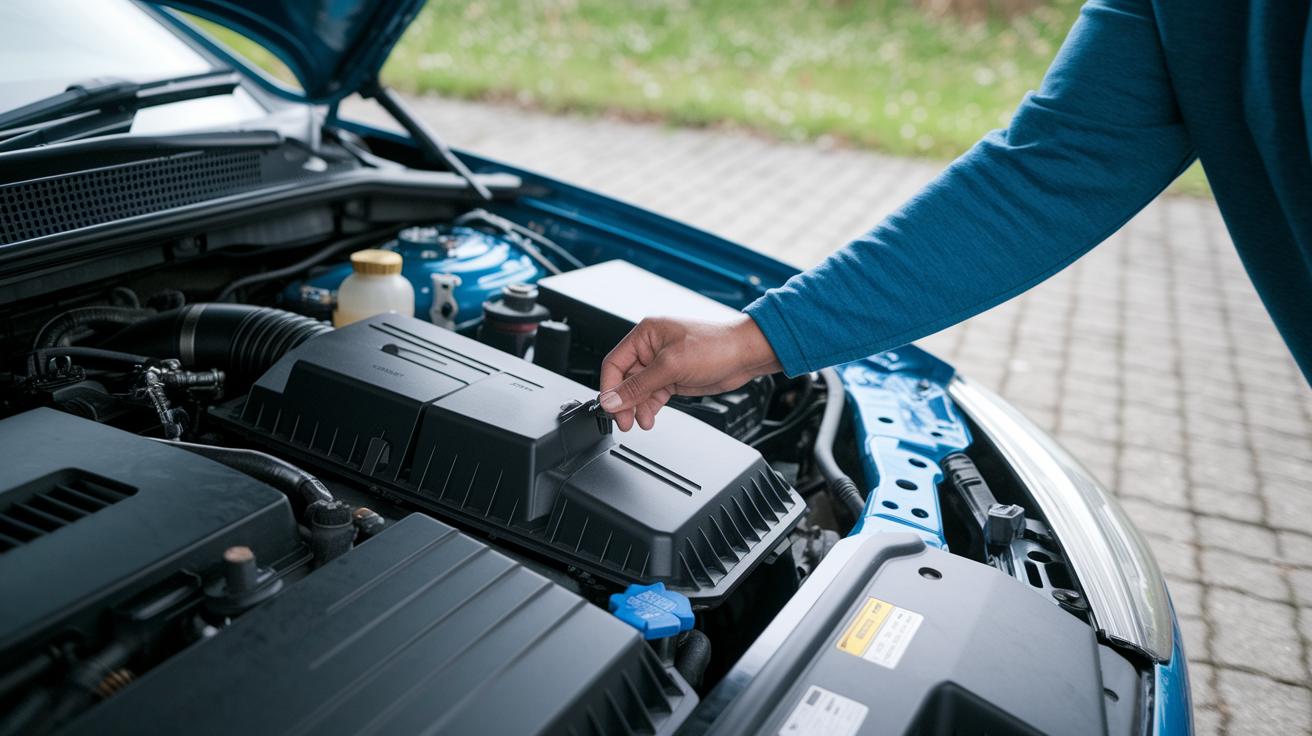
Keeping your engine cool is super important for a smooth ride. Every month, take a quick peek at your coolant level to ensure you're rocking a 50/50 blend of water and antifreeze. It’s like giving your car a refreshing drink on a blazing day.
Every 30,000 miles, give your cooling system a thorough flush. This helps clear out built-up scale and debris from the radiator, kind of like cleaning out a clogged filter. Follow a simple step-by-step guide to drain the old fluid and refill with the right coolant recommended by your car’s maker.
Also, check your radiator hoses and clamps regularly. Look for signs like cracks, leaks, or any soft spots. If you notice a damaged hose, especially one over four years old, it’s a good idea to replace it. And don’t skip pressure-testing the radiator cap to ensure it seals properly so your cooling system can work under pressure.
Regular upkeep like this protects your engine, keeping it cool and ready for the road mile after mile.
Final Words
In the action, we broke down steps for keeping your engine running smoothly. We talked about routine tasks to prevent issues and when to let a pro handle more complex fixes. You also learned how to spot early signs of trouble, from oil leaks to cooling system hiccups.
This guide ties together smart scheduling, essential inspections, and practical tips for better car engine maintenance. Keep these tips handy and enjoy the ride with a confident and reliable engine.
FAQ
Car engine maintenance near me
Car engine maintenance near me means you search locally for service centers that handle tasks such as oil changes, filter replacements, and belt inspections to keep your engine running smoothly.
Car engine maintenance cost and Car engine maintenance prices
Car engine maintenance costs cover expenses like oil changes and filter replacements, which can vary by vehicle type, service center, and local rates, helping you budget for engine care.
Car engine maintenance checklist, Car maintenance checklist PDF, and Car maintenance checklist by mileage
A car engine maintenance checklist includes routine tasks like oil changes, fluid top-ups, and belt inspections. Ready-to-use PDFs often group these tasks by mileage for easy reference and planning.
Car maintenance schedule
A car maintenance schedule lists when to perform tasks such as oil changes, filter swaps, and fluid checks, ensuring your vehicle stays safe and performs well over time.
What maintenance does a car engine need?
What maintenance a car engine needs involves routine oil changes, filter replacements, coolant checks, belt inspections, and spark plug servicing, all designed to prevent issues and keep performance high.
What is the 30 60 90 rule for car maintenance?
The 30 60 90 rule for car maintenance typically outlines key check intervals, suggesting you perform basic checks at about 30, 60, and 90 days. Always consult your vehicle manual for exact guidance.
Can I still drive my car if it says engine maintenance required?
Seeing the engine maintenance required light signals a scheduled check rather than imminent failure, but it’s best to arrange a service soon to avoid potential issues down the line.
How do I maintain my engine?
How you maintain your engine includes regular oil changes, fluid level checks, filter replacements, belt inspections, and paying attention to unusual sounds, following your car’s manual for detailed instructions.