
Have you ever thought about what might happen if your car isn’t ready for winter? When the cold hits, even a small mistake in your car’s care can lead to trouble on slippery roads.
Checking tire pressure, testing your battery, and topping off your fluids might seem minor, but these simple steps can help keep your car running smoother and safer. We’ve got a few easy tips here to keep your car in great shape all winter long. That way, you can drive with peace of mind no matter how low the temperature drops.
Comprehensive Winter Car Maintenance Overview
Taking care of your car when it’s cold can really save you from surprises on the road. Cold weather puts extra stress on parts like your tires and battery. A quick check, such as looking at your fluid levels before a long drive, can help you dodge costly repairs later on.
When temperatures drop, even small issues can quickly turn into big problems. In the cold, tire pressure can fall, batteries can lose their charge, and fluids like antifreeze might not work as well. Keeping your car in good shape makes it run smoother and handle better on icy roads, which means safer and more comfortable trips.
- Check your winter tires and keep an eye on their pressure each month.
- Test your battery or replace it if it’s over three years old.
- Make sure your coolant mix is a 50:50 blend.
- Switch to windshield washer fluid and blades made for freezing conditions.
- Pack an emergency kit with gear for winter survival.
Regular upkeep helps your ride stay safe and reliable during the chilly months. Simple steps like these, making sure your fluid levels are spot on and your tires grip the road, get you ready for slippery conditions and sudden cold snaps. This hands-on approach not only boosts your car’s performance in harsh weather but also gives you the peace of mind to enjoy every journey, no matter how low the thermometer drops.
Winter Tire Inspection & Cold Weather Tire Care
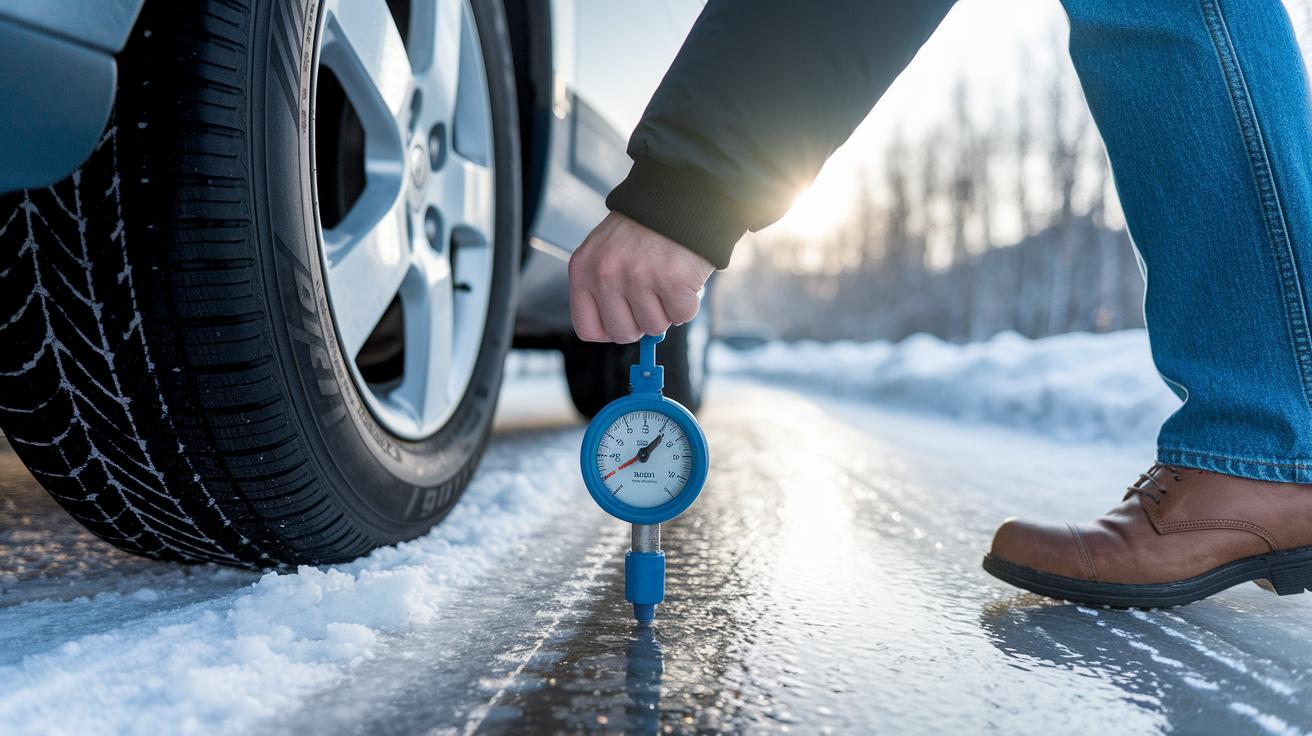
Checking your tire pressure in winter is a must. Cold air makes a big difference; for every 10°F drop, you can lose about 1 PSI. This can lead to sloppy handling and wasted fuel. Keeping your tires at the recommended PSI is key, especially when it's icy out. Ever been annoyed when your car doesn’t grip the road like it should? That’s often because underinflated tires can lose the needed traction, making things a bit risky on slippery roads.
Choosing the right winter tires is just as important. These tires use special rubber that stays flexible even when it’s below 40°F, which means better grip in snow and slush. Look for tires with deep, jagged treads, ideally at least 4/32" deep, to help you stay safe on icy surfaces. Also, give your spare tire a quick check and rotate them as needed. Watch out for uneven wear or any damage; it might be time to think about a replacement or adjustment to keep your ride smooth in harsh weather.
Battery Winter Upkeep & Cold Start Prevention
Cold weather can really make starting your car a hassle. It pays to check your battery often. Use a load tester to see if your battery holds between 9 and 12 volts when it is working hard. Also, take a moment to look at the terminal cables for any cracks or rust. If your battery is over three years old, it might be time to think about a new one. Keeping your battery in top shape means your car will start more reliably, even when it’s freezing outside.
Try wrapping your battery with insulation or using a winter blanket made for batteries to keep the warmth in. And don’t forget a portable jump starter in your glove box, it can be a real lifesaver on cold mornings. Always clean and secure the cable connections so your battery stays ready for those tough, chilly starts.
Engine Fluids & Antifreeze Level Check for Winter Engine Care
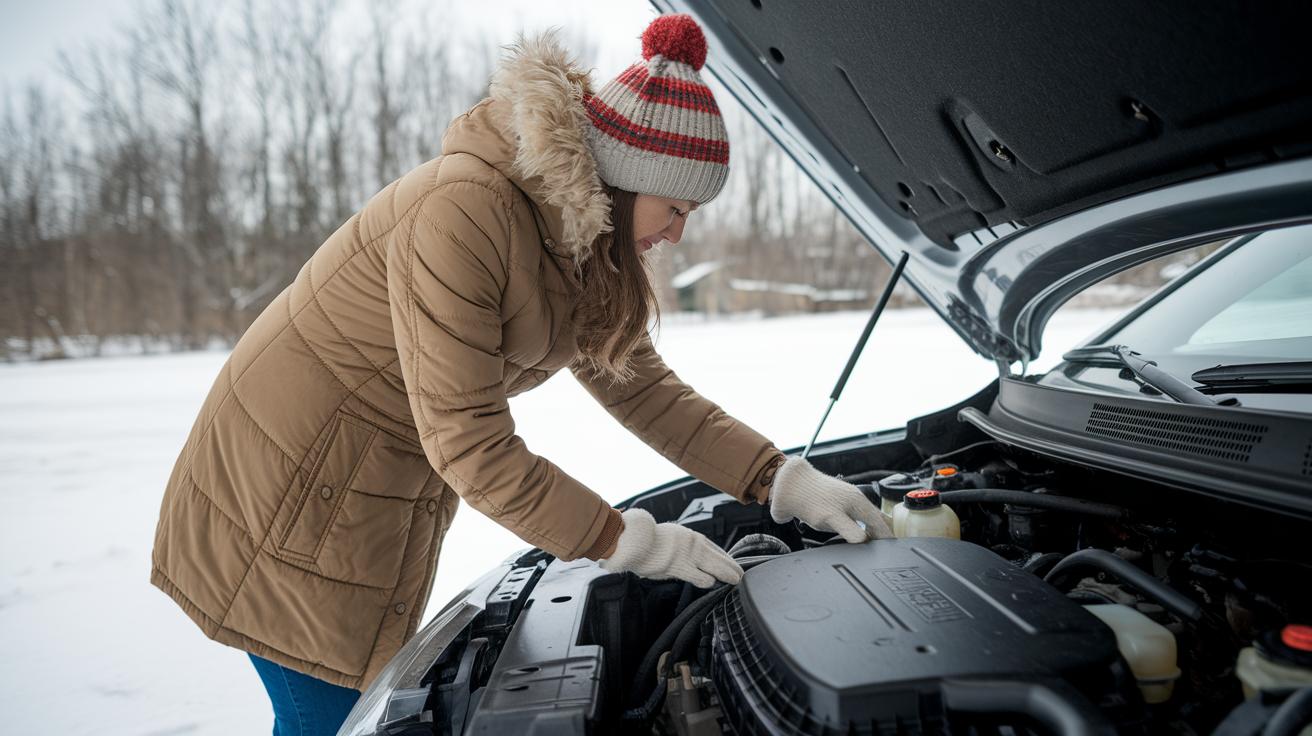
When it gets cold, checking your engine fluids is a must. These liquids help every part of your vehicle work well even in freezing weather. Coolant, for instance, stops freezing by lowering the engine's temperature. Other fluids, like brake, transmission, and power steering fluids, keep their parts running smoothly. Using a winter-grade engine oil such as 5W-30 makes it easier to start your car and keeps everything well-lubricated.
| Fluid | Recommended Ratio or Grade | Check Frequency |
|---|---|---|
| Coolant/Antifreeze | 50:50 mix | Every season |
| Engine Oil | 5W-30 (winter-grade) | Every oil change |
| Brake Fluid | N/A – inspect for moisture | Monthly |
| Washer Fluid | Freeze-resistant formula | Before each trip |
Follow your car maker’s schedule by flushing the coolant and giving the hoses and belts a good look for signs of wear. This little extra effort can prevent leaks and overheating, so your car stays reliable all winter long. Regular maintenance saves you both time and money while keeping your engine in top shape during the cold.
Always stick to the manufacturer’s timetable for fluid changes and inspections. Check the radiator hoses for any cracks or leaks, and remember that even if your multi-rib serpentine belt looks fine, it should be replaced every 60,000 miles. Taking care of these details helps safeguard your engine and keeps your ride smooth on icy roads.
Windshield, Wipers & Defrost System Winter Maintenance
When winter hits, making sure you see clearly is a must. Picking the right washer fluid and wiper blades can really make a difference on those icy roads. A freeze-resistant washer fluid stops your lines from freezing up, so even when sleet or snow is falling, your windshield stays clear. And those rubber-edged winter wiper blades? They're built to fight off ice buildup and work well in freezing conditions. It’s a good idea to check the blade edges for any cracks and swap them out every 6 to 12 months. Keeping your fluid reservoir full means you’re always ready for sudden downpours or a sharp drop in temperature.
Your defroster and heater need some attention too. The defrost system leans on the AC compressor to clear off frost and condensation fast. So, if it's not working right, you could end up with a foggy windshield. Take time to clean the vents regularly and maybe even use a defogging spray on the inside glass. These little steps help you get rid of ice safely, ensuring a clear view and a more confident drive during winter’s harshest moments.
Brake System & Winter Brake Safety Checks
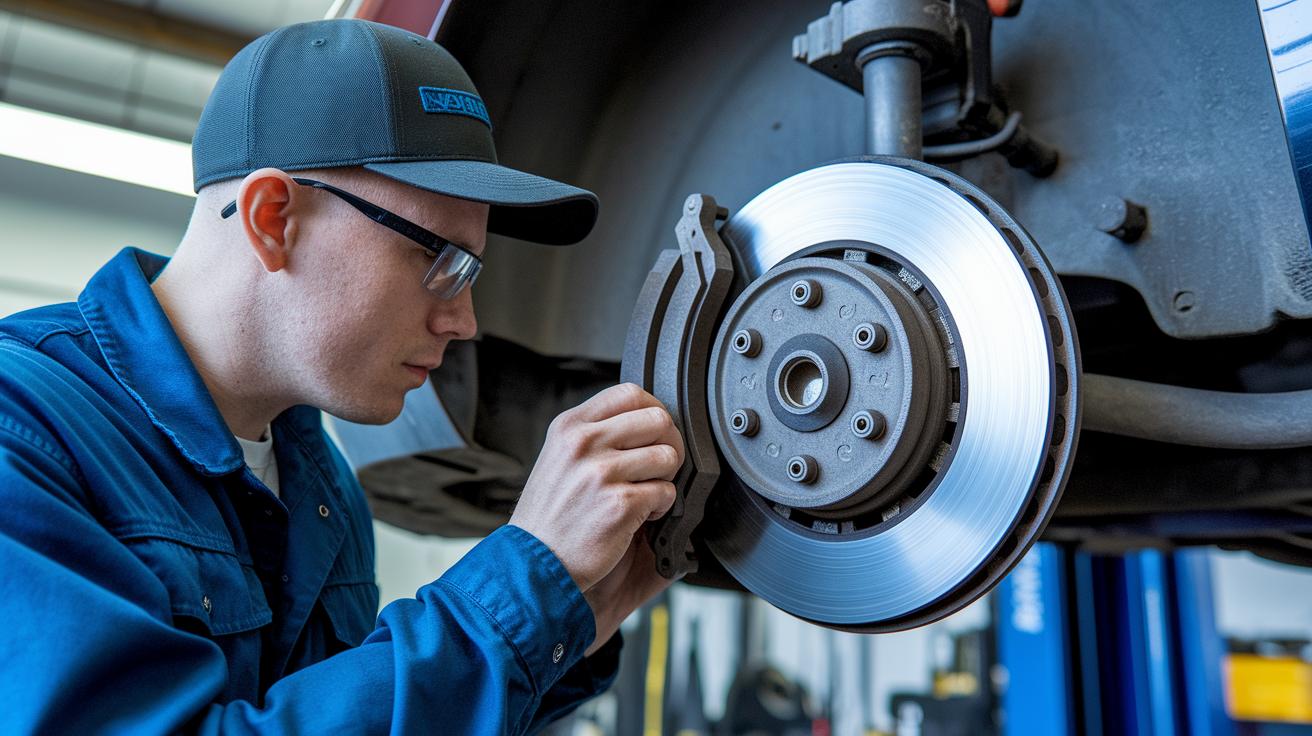
As the weather cools down, it’s time to give your brakes a good look. Check out your brake pads, rotors, and fluids to make sure everything is in shape.
Make sure your brake pads are at least 3 mm thick. Anything less might reduce your stopping power on slick, icy roads. Also, take a peek at your rotors, if they seem warped, you might feel vibrations when you brake.
Don’t forget to check your brake fluid. Ensure the fluid level is right and not too watery; if more than 3% of water is mixed in, it’s a sign to replace it. Keep in mind, cold weather can thicken your fluid, reducing its effectiveness just when you need it most.
Now, let’s talk about your ABS and parking brake. When you start your car, watch that the ABS light turns off. Try a hard stop to see if the system engages smoothly. Also, take a look at your parking brake cables and check for any corrosion or stiffness that might stop them from working as they should.
By following these simple tips, you’ll keep your brakes responsive and safe all winter long.
Underbody Cleaning & Corrosion Protection in Winter
When winter hits, keeping your car's underbody clean is a must. Road salts and de-icing chemicals work hard to start rust, so give your car a rinse every two to four weeks to wash those corrosive substances away. A good trick is to add a rust-inhibiting spray or a wax-based undercoating. This extra step guards your metal parts and saves you from pricey repairs later.
Take a moment to check key spots like the frame, wheel wells, and suspension. Look for tiny paint chips that might need a quick touch-up with rust-proof material, especially if you drive on salted roads often. These small steps not only keep your car looking fresh, but they also help preserve its structure during harsh winter days.
Emergency Kit Essentials & Winter Auto Survival Gear
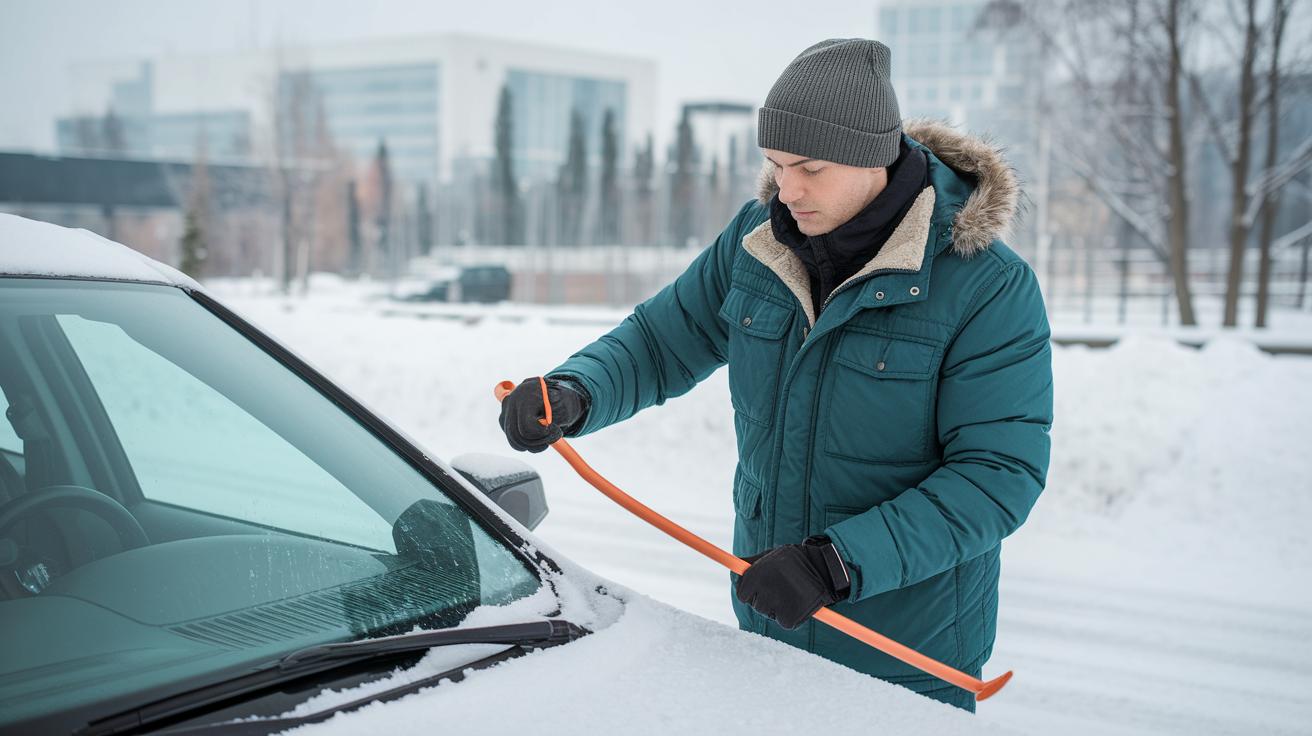
When winter hits, every item in your emergency kit is like a little lifesaver for your car. Cold weather, icy roads, and unexpected breakdowns can really throw a wrench in your plans. That’s why having all these tools on hand not only gets you back on the road but also gives you a boost of confidence when the weather turns unpredictable.
Imagine you’re stuck in a snowy parking lot and need to clear your windshield. You reach for your ice scraper and snow brush, and suddenly, the task doesn’t seem so daunting. Each tool in your kit is there to help you tackle whatever winter throws your way. It’s like having a reliable buddy right in your glove box, ready to help when things get dicey.
Here’s a list of essentials to keep in your kit:
- Ice scraper and snow brush
- Folding compact shovel
- Traction mats or sand packets
- Jumper cables or portable jump starter
- Flashlight with spare batteries
- Thermal blankets or sleeping bag
- High-calorie nonperishable snacks
- Bottled water
- First-aid kit
- Reflective warning triangles or flares
- Tow rope or recovery strap
- Hand and foot warmers
Make it a habit to check your kit regularly and swap out anything that’s used or expired. Keeping your gear fresh is key to staying safe and feeling ready for the challenges of winter driving. Stay warm, stay safe, and enjoy the ride!
Pre-Season Auto Service & Winter Storage Advice
It's a smart move to get a professional multi-point inspection before winter sets in. A trusted mechanic will check important parts like belts, hoses, and fluid levels so you can catch any issues early. For example, if your serpentine belt shows signs of cracking or fraying, replacing it now can help avoid a breakdown on icy roads. These checks make sure your car is ready for harsh winter conditions.
When temperatures drop below 0°F, installing an engine block heater is a great idea. It warms up the engine before you start, reducing stress and preventing cold-start troubles. Pair this setup with a smart battery maintainer during storage to keep your battery charged and in top shape. Together, these tips help ensure a smooth start on even the chilliest mornings.
For storage, park your car in an unheated garage or cover it with a well-fitted protective cover to shield it from the elements. Use interior moisture absorbers to cut down on condensation, and spray a bit of silicone on the door seals so they don’t freeze shut. These simple storage practices keep your car in good condition and ready for the next winter outing.
Final Words
in the action, we walked through key winter car maintenance tasks from checking tire pressure, testing the battery, and verifying coolant and antifreeze levels to ensuring clear visibility with proper windshield care.
We also covered brake system safety, underbody cleaning to avoid corrosion, and assembling a solid emergency kit, along with pre-season service tips. This guide offers a clear, hands-on approach to staying safe and keeping your ride reliable during cold weather. Enjoy every winter drive with confidence!
FAQ
Q: Winter car maintenance cost
A: The winter car maintenance cost covers services such as battery checks, tire inspections, fluid top-offs, and emergency gear. Prices vary based on local service rates and vehicle needs.
Q: Winter car maintenance checklist
A: The winter car maintenance checklist includes tire inspection, battery testing, verifying antifreeze mix, swapping to freeze-resistant fluids, and assembling an emergency kit to keep your car safe in cold weather.
Q: Winter car maintenance California
A: Winter car maintenance in California focuses on maintaining tire pressure, battery health, and fluid levels even in milder cold weather, as local climates may still experience drops that affect vehicle performance.
Q: What is winter car maintenance?
A: Winter car maintenance involves tasks like checking tires, testing batteries, verifying fluid levels, and ensuring the antifreeze mixture is correct to protect your vehicle during colder months.
Q: What is the 30 60 90 rule for car maintenance?
A: The 30 60 90 rule for car maintenance outlines a schedule for periodic inspections and part replacements at 30, 60, and 90-day intervals to keep your vehicle running efficiently during winter.
Q: What are the 3 P’s of winter driving?
A: The 3 P’s of winter driving—preparation, patience, and prudence—encourage drivers to ready their vehicle, stay calm, and drive cautiously on icy or snowy roads.
Q: How long can you leave a car without starting it in the winter?
A: Leaving a car inactive in winter is generally safe for about two weeks. Extended inactivity can affect the battery and fluids, so starting the car occasionally helps maintain its health.