
Ever notice your car feeling a bit off balance? Sometimes, a few quick fixes can make a big difference. Changing your oil, checking your tire pressure, and monitoring your fluids can work wonders, almost like giving your ride a fresh start.
Regular checkups catch small problems before they turn into expensive repairs. It’s like treating your car to a little TLC so it keeps running smoothly and lasts longer. Have you tried these simple tips yet?
Key Car Maintenance Tips to Extend Your Vehicle’s Lifespan
Regular oil changes are essential for keeping your engine running smooth. They reduce friction and wear, and sticking to the manufacturer's schedule means your engine stays happy, even when high heat works hard to break down the oil. It’s like hitting a refresh button every few thousand miles for your car.
Taking care of your tires matters, too. Check the pressure, alignment, and tread once a month to make sure everything's in sync. Rotating your tires every 5,000 to 7,000 miles keeps the wear even, so your ride remains safe and smooth. Picture your tires like a well-practiced team, always working together to get you where you need to go.
Next, keep an eye on your fluids. Regularly check your coolant, transmission, brake, and power steering fluids so you avoid overheating, bumpy shifts, or poor braking. Think of it as a simple blood test for your car, staying on top of these levels can help prevent costly repairs later.
Finally, frequent maintenance checkups are a smart move. They help you catch little issues before they turn into big, expensive fixes. Keeping up with these simple routines makes your car safer and helps extend its life for the long run.
Engine Oil Change Tips for Efficient Car Maintenance

Oil changes are key to keeping your engine happy and running smoothly. Regular changes cut down on friction and help prevent engine parts from wearing out. Most car makers advise an oil change every 3,000 to 7,500 miles, depending on your oil type and driving style.
If you live where it’s hot, the high temperatures can speed up oil breakdown. That means you might need to change your oil more often to keep everything properly lubricated. Always check your mileage schedule and adjust the interval if you often drive in stop-and-go traffic or under harsh conditions.
Stick with the oil grade and viscosity listed in your owner’s manual. It helps the engine parts stay well-oiled and ensures smooth performance. If you want to learn how to do an oil change yourself, take a look at our step-by-step guide at car oil change. Keeping up with these changes not only boosts your car’s efficiency but also extends its life.
Regular oil changes do wonders by enhancing performance and helping you avoid expensive engine repairs later on.
Car Maintenance Tips for Tire Pressure, Rotation, and Tread Maintenance
Check your tire pressure every month with a proper gauge. If it reads too low or too high, adjust it right away, it’s like giving your car a quick pick-me-up. In places with big temperature swings, pressure can change often, so keep an extra close eye.
Rotate your tires every 5,000 to 7,000 miles to help them wear evenly. And if you live in an area with rough weather, a more frequent rotation might be a smart move to fight off damage from road salt or extreme heat. For those who like handling things themselves, there are handy tools that make switching tires as simple as swapping chairs at a dinner party.
Get your wheel alignment and balance checked once a year, or after you hit a rough patch or a deep pothole. Poor alignment can show up as odd wear marks on your tires, so it’s important to catch it early.
Regularly measure your tread depth. If it goes below 2/32", it’s time for new tires to help prevent hydroplaning during wet weather. Some advanced tools even let you know about uneven wear before it becomes a visible problem.
Car Maintenance Tips for Monitoring Fluid Levels
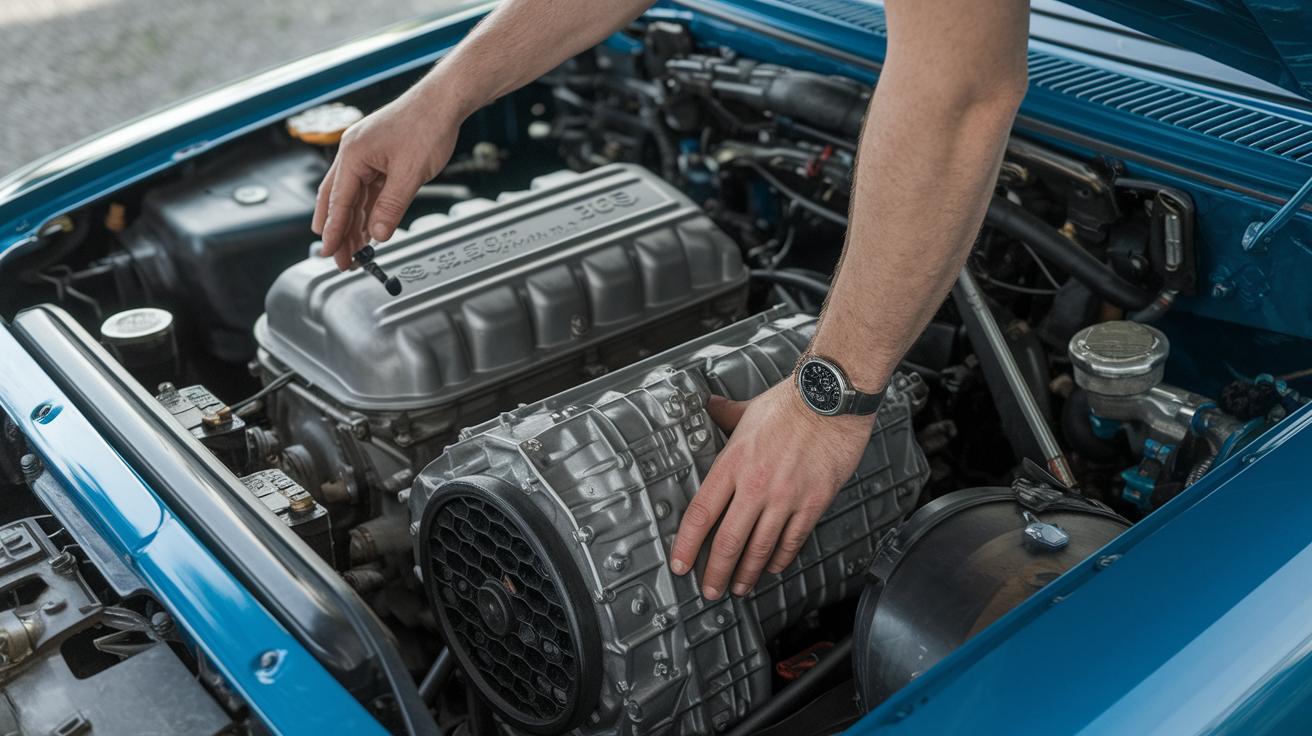
Start by checking your car's coolant once the engine is completely cool. Open the reservoir slowly and take a good look at the fluid level. If it’s below the minimum mark, top it off with a 50/50 mix of coolant and water. This blend helps protect your engine from freezing in the winter and overheating in the summer. For more details on how to do this, check out our guide on car coolant.
Next, grab a dipstick to check your transmission fluid every 30,000 to 60,000 miles. A healthy transmission fluid usually has a light reddish color and doesn’t smell burnt. If you notice a dark tint or a smoky odor, it might be time to change it so your gears can shift smoothly.
Also, keep an eye on your brake and power steering fluids. Check these at least once a month and follow your owner’s manual for any replacement advice. Low levels in these fluids could lead to fading brakes or a heavy steering feel, which can be risky on the road.
Regular fluid checks are a simple yet powerful way to keep your vehicle running smoothly and avoid costly repairs down the line. Stay on top of these tips and enjoy a safer, more reliable ride every time you hit the road.
Car Maintenance Tips: Boost Car Health Fast
Take a minute every 10,000 miles to check your brake system. Peek at your brake pads and rotors, and if you see that your pads are under 3 mm thick, it’s time to replace them. This little routine can save you from long stops or even brake failure. Keeping your brakes in tip-top shape is one of the best ways to look after your car.
Every month, give your headlights, brake lights, and turn signals a quick test. Make sure they're shining as they should. If any bulbs are dim or flickering, swap them out sooner rather than later. Think of it like checking your flashlights before a dark night drive, it just makes sense for your safety.
And don’t forget your windshield wiper blades. Swap them out every 6 to 12 months, or right away if you notice any streaking. Clear sight isn’t just about driving comfortably; it’s about making sure you see every twist and turn when rain or dust shows up. Following these tips will help boost your car’s health fast, so every ride feels reliable and secure.
Seasonal Car Maintenance Tips for Year-Round Reliability
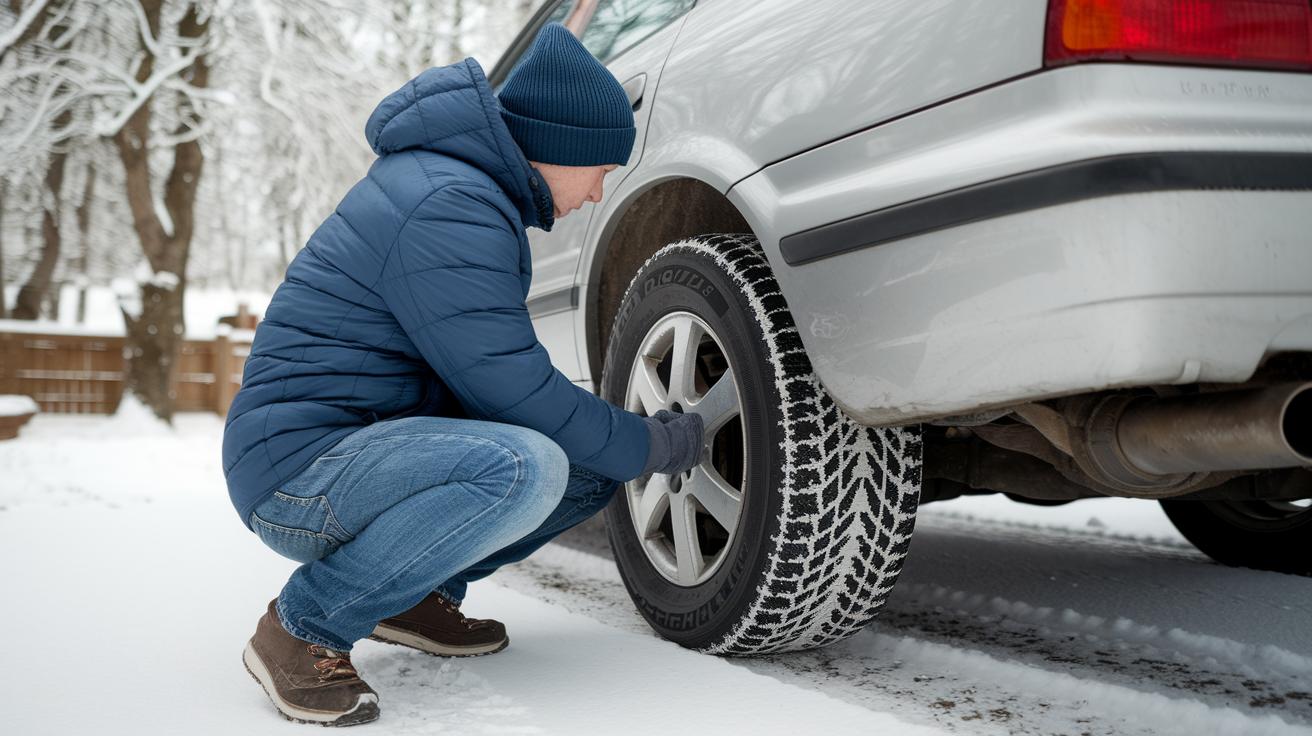
Winter demands extra care. When temperatures dip below 45°F, swap out your regular tires for snow tires that grip the road better. Make sure your tires have plenty of tread because worn tires can be risky on icy surfaces. Safety first, right?
Summer heat really pushes your car to its limits. Check your AC to be sure it's cooling well. Take a good look at your coolant hoses and drive belts too; heat can take a toll on them. Tending to these little issues now means your ride stays smooth even when it gets really hot.
Spring cleaning isn’t just for your house. Peek under your car for any leftover salt or rust from winter. If your wiper blades are streaking, it’s time for a change, and topping off your fluids keeps everything running like clockwork as the weather warms up.
When fall rolls around, focus on your battery and heating systems. Test your battery to see if it’s still holding strong and check that your heater and defroster are working properly before the cold hits again. A quick look at your tire tread will set you up well for winter’s challenges.
In short, these simple seasonal checks make it easy to keep your car in top shape all year round. A little extra attention now means smoother, safer rides no matter what the weather brings. Enjoy the drive!
DIY Car Maintenance Strategies to Save on Repairs
Saving money on repairs starts right at home, in your own garage. Tackling simple tasks like changing the oil, swapping air filters, rotating tires, and cleaning battery terminals can keep your car running smoothly and stop little issues from becoming big, expensive problems.
Start with a quick look at your owner's manual. It tells you just how much oil to use and how tight the bolts should be. Catching leaks, worn belts, or loose clamps early means you can fix them before they cause more trouble.
Here are some essential tools for your DIY care:
| Tool | Purpose |
|---|---|
| Jack stands | Safely lifts your car |
| Lug wrench | Removes tires with ease |
| Oil drain pan & funnel | Makes oil changes cleaner and simpler |
| Tire pressure gauge | Keeps your tires properly inflated |
| Multimeter | Handles basic electrical checks |
Imagine spending a sunny afternoon under your car, catching a leaky hose before it drains your battery. These simple upkeep hacks not only save you money, but they also help you understand your car's health a lot better. Stick to a regular check-up schedule, and you'll enjoy a safer, more reliable ride every time you hit the road.
Final Words
In the action, we broke down key car maintenance tips, from engine oil changes and fluid checks to tire care and regular inspections.
We tackled everything from seasonal upkeep to DIY repair strategies that help nip potential problems in the bud.
These car maintenance tips offer a practical guide to extending your vehicle’s life while keeping repairs to a minimum. Keep your ride in top shape and enjoy every drive with confidence.
FAQ
What car maintenance tips do Reddit users and beginners recommend?
Car maintenance tips from online communities and beginners stress regular oil changes, tire pressure checks, fluid monitoring, and light inspections. These simple steps help avoid bigger repairs and extend your car’s lifespan.
What should a car maintenance checklist include?
A car maintenance checklist covers regular oil changes, tire rotations every 5,000–7,000 miles, fluid level checks, brake inspections, and lighting tests. Some templates offer mileage-based prompts to keep upkeep on track.
What is a typical car maintenance schedule?
A typical schedule involves monthly checks for tire pressure and fluids, oil changes every 3,000–7,500 miles, and periodic inspections of brakes and lights. Following your owner’s manual helps maintain steady performance.
How can busy professionals manage car maintenance effectively?
Busy professionals can simplify car care by scheduling monthly fluid and tire checks, using mileage reminders for major services, and planning basic DIY tasks. These practices prevent costly issues and save time.
What does the 30-60-90 rule for cars mean?
The 30-60-90 rule suggests scheduling key maintenance checks at regular intervals—around 30, 60, and 90 days or corresponding mileage. This approach helps catch early wear on tires, brakes, and fluids.
What are important maintenance tips for a car?
Important tips include staying on schedule with oil changes, tire rotations, fluid checks, and lighting inspections. These routines reduce repair costs, boost safety, and keep your car running smoothly.
Are you supposed to tip for car maintenance services?
Tipping for car maintenance isn’t usually expected. Most services, like oil changes or brake inspections, have set prices, though a kind word or a thank you can always brighten someone’s day.