
Ever notice how a simple checklist can make your car safer and smoother? It might sound a bit odd, but taking a few minutes every few months is like giving your car a quick health check. Small checkups catch little issues before they turn into big, expensive problems.
In this guide, you'll find easy steps sorted by mileage and time to keep your ride running well and safely. Ready to save time, money, and dodge the hassle of surprise breakdowns? Let's dive in and get your car tuned up for the road ahead.
Car Maintenance Checklist: Core Routine Tasks by Mileage and Time
Keeping track of your car's health can be simple when you group tasks by mileage and time. This way, you can tackle small issues before they turn costly and keep your ride smooth and safe.
For things that need checking right away, keep an eye out for warning lights on the dash, tire pressure alerts, broken headlights or taillights, and worn-out wiper blades.
Each month, take a quick look to see if your engine oil is at the right level (adding about 1 quart if it's low), make sure your coolant and antifreeze are mixed evenly, and top off the windshield washer fluid.
Every 3,000 miles or about every 3 months, do a more detailed check. While the engine is running, peek at the automatic transmission fluid. Look over the battery and its cables, check the belt for wear, inspect the engine air filter, and add a bit of power steering fluid if needed. Also, listen carefully around the engine for any exhaust leaks, verify tire pressure and tread depth, change both the engine oil and filter, and rotate your tires.
At 6,000-mile or 6-month intervals, lubricate the chassis if your car needs it and give your car an exterior wash and a coat of wax.
When you hit 12,000 miles or 12 months, dive deeper by checking the brake system, this means fluid, pads, and rotors need a look-see. Replace the cabin air filter and do a complete coolant flush too.
Every 2 years, test or replace the battery (especially if it's living on borrowed time between 3 to 6 years). Also, check how old your tires are and their tread; if they have less than 4/32" or if they're 6-10 years old, consider replacing them. This is a good time to inspect spark plugs, have a look at the timing belt or chain (often around 60K-90K miles), and examine your hoses.
Following these steps regularly will help you catch problems early. It keeps your car safe and makes every drive a little more worry-free.
Fluid Level Checks in Your Car Maintenance Checklist
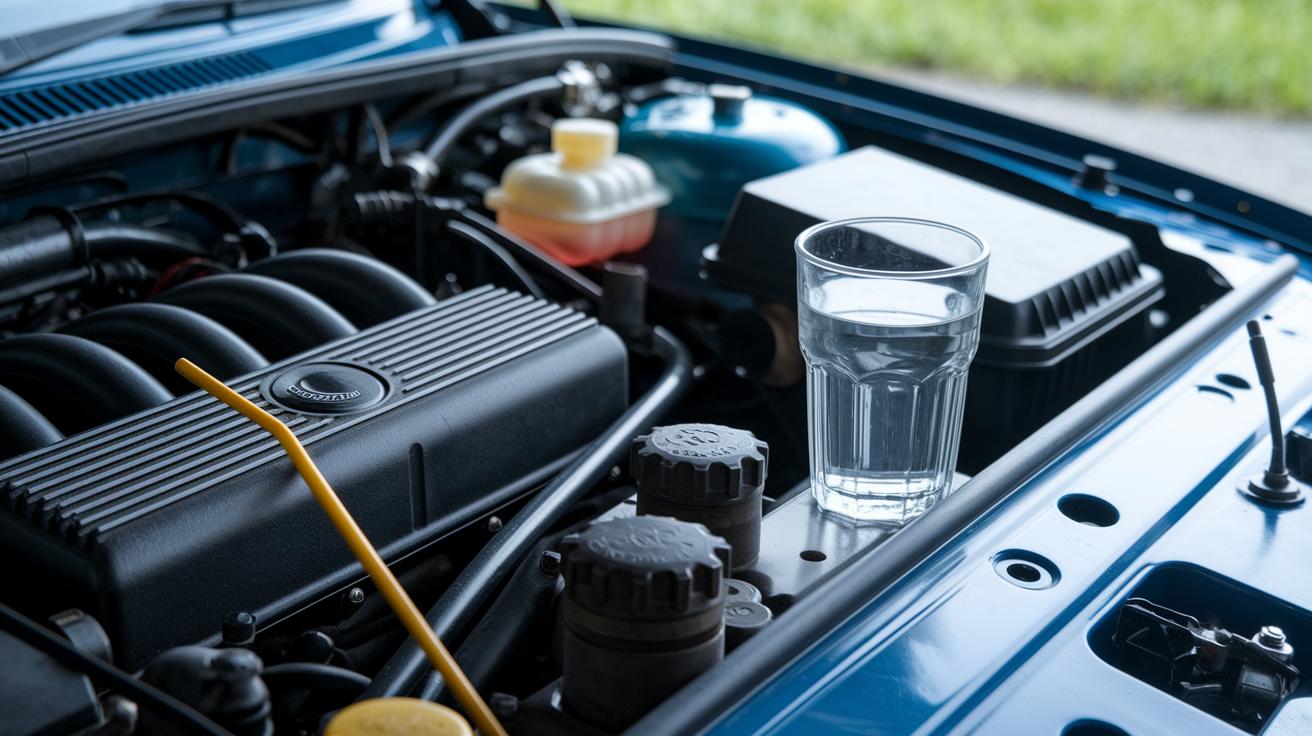
Keeping an eye on your car's fluids is a simple way to show it some love. Every month, take a few minutes to check the basics: engine oil, coolant, brake fluid, transmission fluid, power steering fluid, and windshield washer fluid. These checks can catch potential problems before they become big headaches. Think of it like looking at a clear glass of water, if it doesn’t shine the way it should, something might be off.
Start with engine oil. Give it a quick look each month, and if it seems low, top it off by about one quart. Plan on an oil change every 3,000 to 5,000 miles. Next, check your coolant to ensure it’s in a 50/50 mix. Look at it monthly, and remember to flush it out according to your car’s manual.
For the brakes, peek into the brake fluid reservoir. If the fluid is dark or the level drops below the mark, it’s time to get a flush. When you inspect the transmission fluid, every 3,000 miles works best, make sure the engine is running. What you’re looking for is a bright pink or red fluid that doesn’t smell burnt. And for your power steering, top it off if needed, and be on the lookout for any whining sounds that might hint at a leak.
Don’t forget your windshield washer fluid. Keeping it at the right level with the proper mix helps prevent freezing on cold days. Adding professional flushes and regular inspections as part of your routine boosts your car’s safety and performance. This way, each fluid stays just right without any unnecessary extra steps.
Tire Care in Your Car Maintenance Checklist
Keeping your tires in good shape is key for everyday safety. Check your tire pressure every month or before long trips to match the PSI your manufacturer recommends. For the tread, try the quarter or penny method to see if it’s at least 4/32 inches deep, this helps keep you safe on wet roads. Also, take a quick look for any cracks, bubbles, or uneven wear to catch problems before they get worse.
Rotate your tires every 3,000 miles or follow the guidelines in your vehicle’s manual. This helps all the tires wear out evenly. And don’t forget, tires between 6 and 10 years old might need replacing, even if the tread looks fine. Taking these steps keeps your ride smooth and safe every time you hit the road.
Engine and Filter Inspections for Your Car Maintenance Checklist
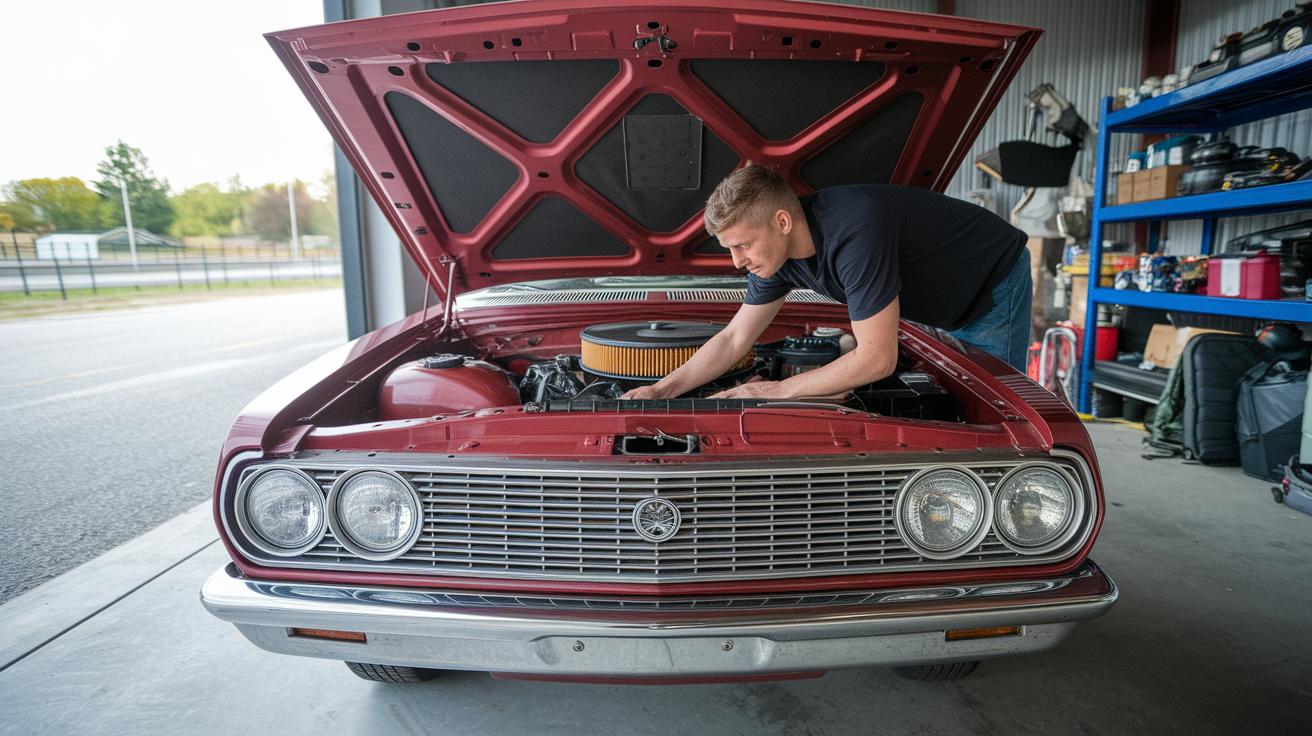
Our routine maintenance now covers all engine and filter tasks. When you’re working on your car, keep in mind that checking the engine air filter is key. Every 3,000 miles, give it a look to help your engine breathe easily and keep running smoothly.
Seasonal Car Maintenance Checklist Overview
Taking care of your car each season is important because weather changes can affect how your car runs and how safe it is. Adjust your check-ups based on the time of year to help your ride stay in top shape.
Here's a simple table to show key tasks for each season:
| Season | Key Tasks |
|---|---|
| Spring/Summer | Check and refill the A/C, switch out the cabin air filter, spot any leaks in the cooling system, and test the radiator |
| Fall/Winter | Look over the heating system, change the engine air filter, check the battery in cold conditions, and make sure the antifreeze is strong |
Keeping up with these seasonal tune-ups not only helps avoid surprise breakdowns but it also prevents expensive repairs. In warmer weather, a well-charged A/C and a smooth-running cooling system keep you cool and efficient on the road. And as the temperature drops, having a good heating system, fresh engine air filter, and a battery that fights off the cold becomes really important.
Stick to these simple steps to keep your car safe and running smoothly, no matter what the weather brings.
DIY Car Maintenance Checklist: Tips and Tools
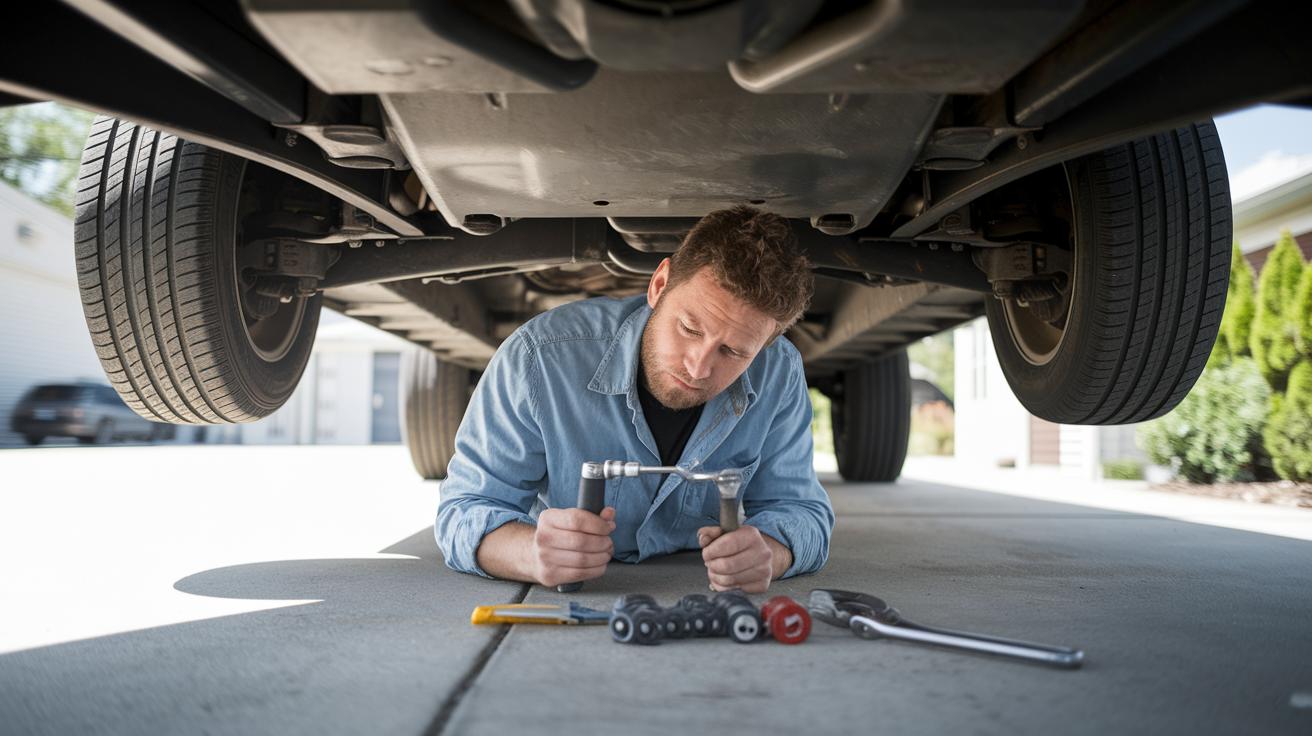
Taking care of your car yourself isn’t just a money-saver, it gives you a boost of confidence every time you get behind the wheel. When you do a little regular checkup, you can catch small problems before they turn into big headaches. Plus, you get to know your ride better, which helps you avoid costly repairs later on. It also makes scheduling professional service a breeze since you’ve already been tracking everything on your own service checklist.
Make sure you’re armed with a few key tools to make the work easier. A good socket wrench set and a sturdy floor jack with jack stands let you safely lift your car for a look underneath. A tire gauge is great for checking if your tires have the proper air, and a funnel comes in handy when topping off fluids. An OBD-II scanner can reset maintenance alerts and help diagnose issues, while a battery terminal brush is perfect for scrubbing off any corrosion. With these tools, even tasks like changing your wiper blades every 5,000 miles or replacing spark plugs become simple projects.
Always keep safety in mind when you’re working on your car. Use jack stands on flat ground, and don’t forget gloves and eye protection to keep injuries at bay. Keeping your service checklist nearby helps you stay organized and ensures you don’t miss any important maintenance steps. This way, you can enjoy every drive with peace of mind.
Long-Term Service Schedule Template in Car Maintenance Checklist
Creating or downloading a service schedule template can really simplify keeping track of your car’s upkeep. I like to use a calendar app to log mileage-based services like oil changes, brake check-ups, fluid flushes, and tire rotations. Setting reminders at 3K, 6K, and 12K miles, along with seasonal checkups, helps you catch any issues early. This approach not only keeps your car running smoothly but also boosts safety and performance, so you’re always ready for state inspections or emissions tests.
Don’t forget to keep your maintenance records organized. It’s smart to file all repair logs and routine service details, whether in a trusty binder or a digital folder. Reviewing these records now and then can highlight trends and point out recurring issues. Plus, when you have a clear service history, it’s easier to consult with repair shops and even adds value when it’s time to sell your car.
Final Words
In the action, we've reviewed a set of key tasks, from checking fluid levels and tire conditions to inspecting engine filters and planning seasonal care, along with helpful DIY tips and long-term scheduling ideas.
This car maintenance checklist gives you a clear plan to spot issues early and keep your ride running at its best. Adopt these simple practices to improve vehicle performance and enjoy every drive with a sense of ease.
FAQ
What is a car maintenance log?
The car maintenance log keeps a record of service tasks, repairs, and checks. It helps car owners track past work and plan future upkeep to boost reliability and performance.
Where can I find a car maintenance checklist PDF or printable template?
The car maintenance checklist PDF and printable template provide ready-to-use formats for tracking tasks by mileage. They offer a clear schedule for routine tasks and can be customized to fit individual car needs.
How does a car maintenance checklist by mileage help?
The car maintenance checklist by mileage guides you on when to perform tasks based on miles driven. It organizes inspections and tasks, ensuring timely service to maintain safety and efficiency.
What does a car maintenance schedule cover?
The car maintenance schedule outlines routine inspections and service intervals. It groups tasks by time and mileage to help car owners stay on track with upkeep and avoid costly repairs later.
What routine maintenance is required for a car?
Routine maintenance involves checking fluids, inspecting belts and filters, rotating tires, and changing the oil at set intervals. These regular tasks protect your vehicle’s performance, lifespan, and overall safety.
What is the 30-60-90 rule for cars?
The 30-60-90 rule for cars suggests checking critical systems at 30, 60, and 90 days after major service or repair. This practice helps spot early issues and ensures the work holds up over time.
What is basic engine maintenance?
Basic engine maintenance includes regular oil changes, topping off fluids, inspecting air filters, and checking belts. These simple tasks keep the engine running smoothly and help prevent major issues.
What car maintenance tasks might not be necessary?
Some non-critical tasks, like excessive cosmetic detailing or overly frequent waxes, might not be necessary. Focus on safety-related upkeep first, and only add extra services if they fit your car’s condition.