
Ever thought about how a few simple checks can make your car feel brand new? Basic care helps keep your ride safe and smooth. A quick look at your oil, tires, and fluids can catch small problems before they turn into big, expensive fixes.
This guide gives you a friendly checklist to help keep your car in top shape. Stick with us, and you'll soon see how a little maintenance goes a long way.
Car Maintenance Basics: Your 10-Point Starter Checklist
Taking care of your car doesn’t have to be complicated. A few regular checks can keep your ride feeling smooth and safe. Here’s a friendly, easy-to-follow checklist:
- Check your engine oil, coolant, and power steering fluid often. This helps you catch leaks or drops before they turn into bigger problems.
- Look through your owner’s manual. It tells you when your car needs a service and explains safety features in simple terms.
- Watch for warning lights. A loose gas cap or low tire pressure light might seem minor, but it’s best to fix these issues early.
- Measure tire pressure every morning using a trustworthy gauge. Use the numbers on your car’s sticker instead of relying on the tire’s maximum pressure.
- Listen to your car. If it vibrates or makes unusual sounds during starts or drives, it could be hinting at a hidden issue.
- Test your lights each month. Make sure your headlamps and daytime running lamps are bright and steady.
- Do a quick walk-around of your car weekly. This simple check can help spot any damage, leaks, or missing parts.
- Regularly wash and wax your car. This not only keeps it looking good but also protects the paint from rust.
- Keep a record of your service inspections. A simple list helps remind you when it’s time for maintenance.
- Build a good relationship with a trusted mechanic. Their timely advice can keep small repairs from becoming major headaches.
Basic Car Maintenance: Checking and Topping Up Key Fluids
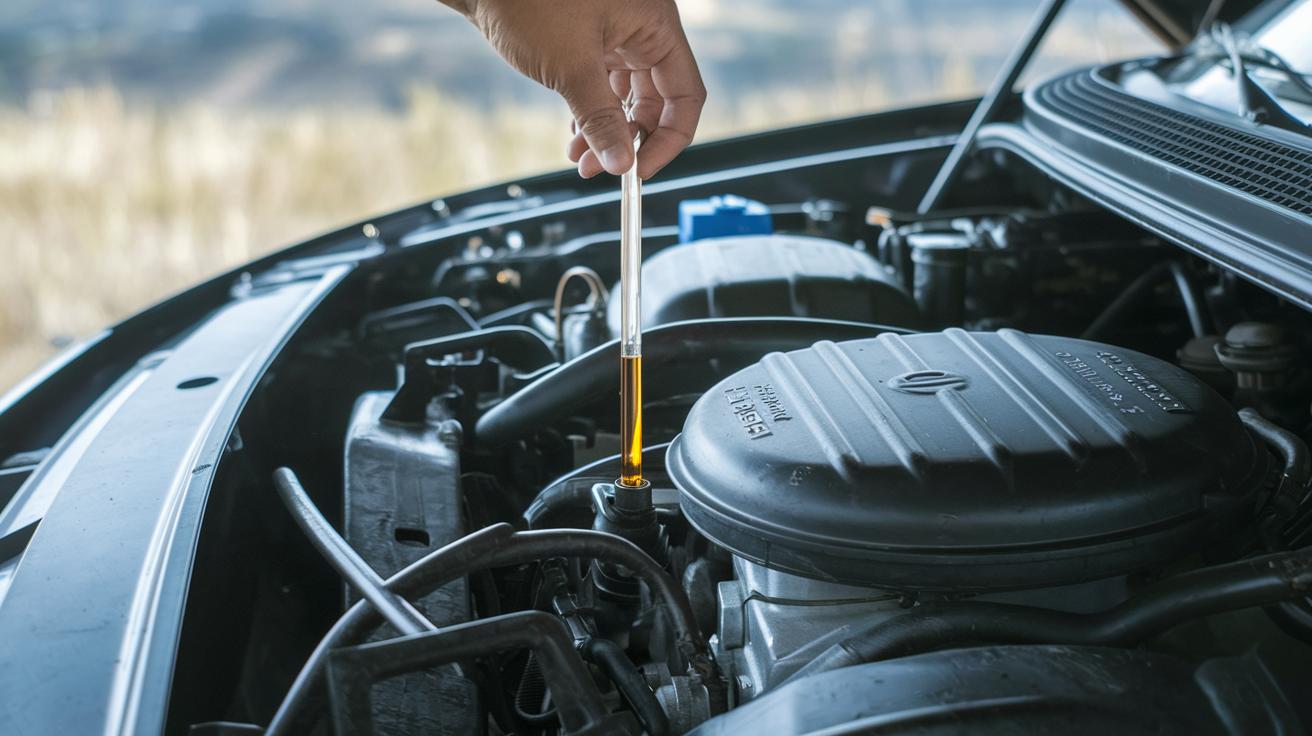
Let’s start with engine oil. First, pull out the dipstick and wipe it clean. Then put it back all the way in and pull it out again to see the oil level. Check that the oil mark lines up with the FULL and ADD markers. If it's low, add some oil. For more tips, check out our guides on car oil changes or topping up your car oil.
Next up, look at your power steering fluid. You’ll find it in a see-through container in the engine bay. Look at the markings on the side. If the fluid is hanging near the lower mark, add the right power steering fluid until it almost reaches the top. Keeping this fluid at the right level makes your steering feel smooth.
Now, check the coolant. Make sure your engine is cool before you do this. A low coolant level could mean there might be a leak or that some parts need fixing.
Do these checks about once a month. If you constantly need to top off the fluids, it might be a sign that something else is wrong, so keep a close eye on things to avoid bigger problems later.
Basic Car Maintenance: Tire Care and Rotation Basics
Every month, take a few minutes to check your tire pressure with a trusted gauge. It’s best done in the cool morning hours so you get an accurate read. Always follow the pressure recommendation on your car’s decal rather than the tire’s maximum. You might find it surprising that, before she became a famous scientist, Marie Curie once carried test tubes filled with radioactive material in her pocket, not knowing the risks ahead. Just like that unexpected fact, knowing your tire pressure early on can save you from a rainy day surprise.
Next, grab your tread depth gauge and measure the tread about one inch from the tire’s shoulder and again in the center. If the numbers don’t match, it could mean your alignment is off. Uneven wear is a sign that your car might not be riding evenly.
Then, try a simple tire rotation to even out the wear. A common method is to move the front tires to the back on the same side while switching the rear tires to the front on opposite sides. This pattern helps your tires wear uniformly and can extend their life.
Keep doing these checks every month. Proper tire care not only improves how your car handles and its overall safety, but it also saves you money by delaying the need for early tire replacement. Stick to these simple steps and you’ll enjoy a smoother, more reliable ride every time you hit the road.
Basic Car Maintenance: Battery Care and Jump-Start Procedures
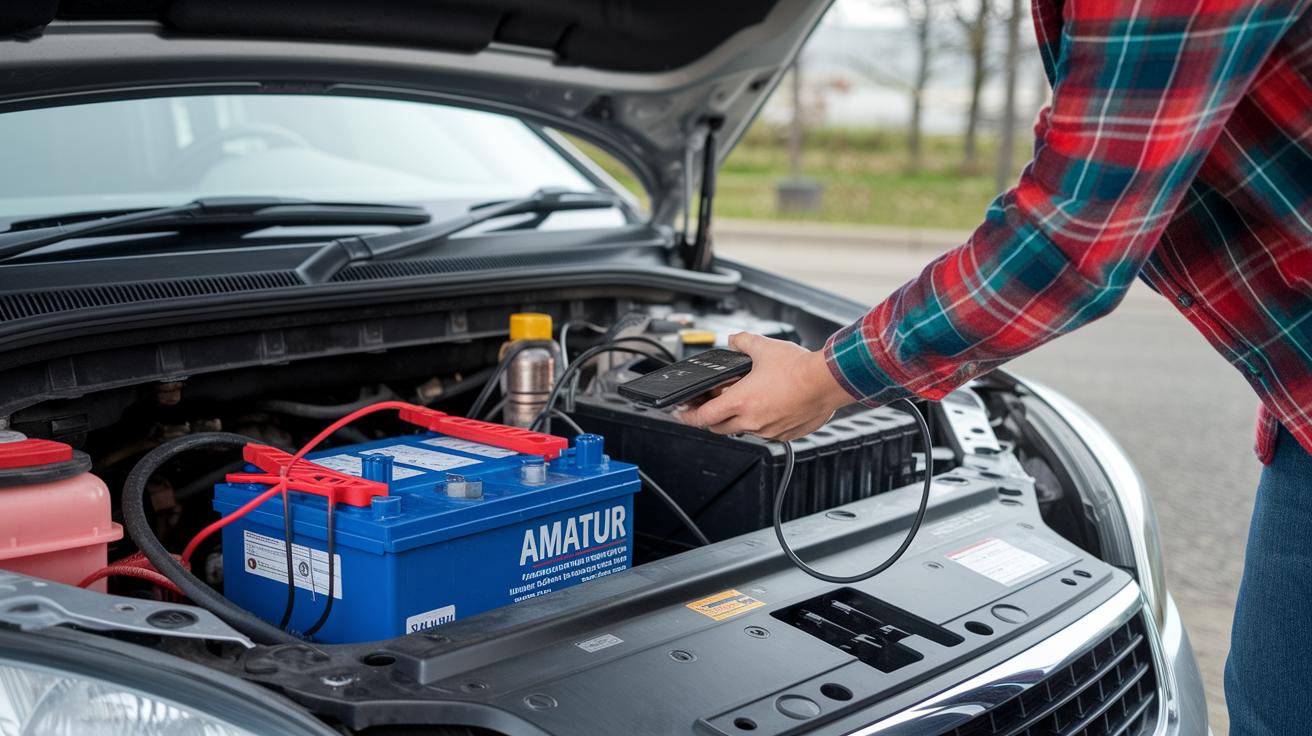
Battery troubles hit nearly every driver at some point. A quick look at your battery can catch problems early, saving you from an annoying breakdown later. Take a moment to check the battery terminals for any buildup or loose wires. It’s a simple step that can keep you on the road.
If your battery dies and you need a jump-start, follow these safe steps:
- Park a working car close by so that the batteries are near each other but not touching.
- Turn off both cars, pop open the hoods, and find the batteries.
- Connect the jumper cables like this: hook the red cable to your dead battery’s positive terminal, then attach the other red clip to the good battery’s positive terminal. Next, clamp the black cable to the good battery’s negative terminal, and finally, clip the remaining black cable to an unpainted metal spot on your car, away from the battery.
- Start the working car and let it run for a few minutes. Then try starting your car.
A little care now can save you from a nasty surprise later. Keep these tips in mind for your regular battery check-ups.
Basic Car Maintenance: Air Filter and Wiper Blade Replacements
Begin by giving your engine's air filter a quick look. Shine a bright light from behind the filter to see if the light spreads out evenly. If you spot dark patches or spotty lighting, the filter might be clogged and could need cleaning or a replacement. Next, open up the air cleaner box and take out the filter. Wipe the inside of the box with a damp microfiber cloth to clear out dust and debris. A clean air filter means your engine gets better airflow, which helps it run smoother.
Now, let’s check your wiper blades. Turn on your washer and spray the windshield. Watch closely to see if the blades wipe away the liquid properly. If you notice streaks or missed spots, it’s probably time for a change. Start by lifting the old blades away from the windshield and unclipping them. Then, attach new blades from reliable brands like ANCO, Trico, or Bosch using the simple clip-and-lock system. This not only clears your view in bad weather but also helps your wiper system last longer.
Maintaining your air filter and wiper blades is a simple DIY job that keeps your car running at its best.
Basic Car Maintenance: Developing Your Service Schedule

Think of mapping out your car's service as planning a fun road trip. A clear timeline keeps your ride in check and helps dodge pricey repairs. At around 30,000 miles, swap out your air and fuel filters, check your brake pads, and flush the transmission fluid. These little steps make sure your car stays smooth and happy.
At 60,000 miles, the focus shifts a bit. Now, drain and replace your brake fluid and coolant, and consider a new battery if yours seems tired. Regular checks like these stop bigger problems from popping up later on. Keeping up with these tasks lets your car run like it just rolled off the showroom floor.
When you hit 90,000 miles, it's time for a tune-up. Replace your spark plugs and belts to keep your engine running efficiently, so everything purrs as it should.
Aside from these milestones, add weekly or monthly quick checks to your routine. Look at your fluids, test your lights, or take a quick walk-around to spot anything off. A hands-on service schedule like this gives you a clear picture of your car’s health and saves money in the long run.
Basic Car Maintenance: DIY Tool Kit for At-Home Car Care
Having the right set of tools makes car care feel easy. When you’ve got quality tools at home, simple jobs like checking tire pressure or wiping down surfaces turn into quick, safe projects. Plus, investing in good gear means you won’t have to wait around for someone else to tackle those small repairs.
Here’s what you really need in your DIY tool kit:
- Tire pressure gauge – It tells you if your tires are properly inflated.
- Dipstick – Use this to quickly check your engine oil level.
- Tread depth gauge – This tool helps you keep an eye on tire wear.
- Jumper cables – A lifesaver when your battery unexpectedly quits.
- Socket and wrench set – Great for loosening bolts on different parts.
- Screwdriver set – Handy for making small adjustments.
- Funnel – Keeps adding fluids neat and spill-free.
- Microfiber cloths and cleaning supplies – They help keep your car looking sharp and dust-free.
Using these dependable tools lets you work safely and efficiently. With this compact kit, you'll be ready for any basic repair or service check right in your own garage.
Final Words
In the action, you explored everything from fluid checks and tire care to battery testing and air filter replacements. The guide laid out an easy-to-follow service schedule and even suggested a handy DIY tool kit for simple upkeep. Each step was designed to boost your confidence in basic car maintenance while keeping your ride safe and reliable.
Keep these tips close, and enjoy the satisfying feel of a well-serviced car. Happy motoring!
FAQ
Q: What does general maintenance on a car involve for beginners?
A: General maintenance on a car means checking fluids, tire pressure, brakes, battery, and filters. It helps beginners spot issues early, keep the vehicle safe, and avoid surprises on the road.
Q: What is included in a car maintenance checklist and schedule?
A: A car maintenance checklist and schedule cover regular tasks like topping off fluids, checking tire pressure, inspecting lights, and following service intervals. This list keeps your car running smoothly and safely.
Q: What does the 30-60-90 rule for cars mean?
A: The 30-60-90 rule means performing key checks and services at these mileage points, such as inspecting filters, brakes, and fluids. It helps detect wear early, ensuring reliable performance.
Q: How can I create a mileage-based maintenance checklist?
A: A mileage-based checklist often recommends services at 30K, 60K, and 90K miles. It usually covers changing air and fuel filters, checking brake pads, and replacing spark plugs or belts to maintain your car.
Q: Where can I find basic car maintenance PDFs or checklist templates online?
A: Basic car maintenance PDFs or checklist templates are available on various auto care websites and forums. These resources offer free, printable guides to simplify regular upkeep tasks.
Q: What kind of advice do car maintenance communities like Reddit offer?
A: Car maintenance communities on Reddit share real-life tips, troubleshooting ideas, and personal experiences. This shared advice helps you learn practical ways to care for your vehicle safely.