
Ever wonder if skipping an oil change could end up costing you a lot? It might sound unlikely, but a simple maintenance routine keeps your car running well.
In this guide, we'll cover steps like checking your car’s fluids, swapping out filters, and watching for engine warnings (those signals that tell you something might be off).
Think of these tips as a friendly reminder to take care of your ride. Small checks now can save you big headaches later on. Stick with us, and you’ll be set for a smoother drive without any unexpected stops.
Car Maintenance Schedule Overview: Mileage & Time Intervals
A good car care routine helps your vehicle run safely and smoothly. Changing your oil and checking fluids every 3,000 to 10,000 miles are small tasks that can save you from big engine problems and costly repairs later. If your check engine light or tire pressure warning pops on, it’s a sign to shop around for help right away, especially if the check engine light is flashing. It’s like hearing an odd, loud rumble that tells you something’s not right, urging you to get your car looked at immediately.
Preventive care is the heart of keeping your car in tip-top shape. Keeping a service log can help you track those important milestones at 30,000, 60,000, or 90,000 miles so nothing slips through the cracks. At 30,000 miles, you might check your fluids, inspect spark plugs, and swap out the fuel filter. By the time you hit 60,000 miles, you should get a full brake check along with a look at belts, hoses, and transmission fluids. At 90,000 miles, the plan usually involves replacing parts and flushing systems to keep everything running well.
Sticking to a mileage-based schedule not only spots small problems before they turn into big ones, it also saves your time and money. Each step you take to prevent issues builds toward a more secure ride, so your car is always ready to hit the road.
Immediate & Monthly Car Maintenance Schedule
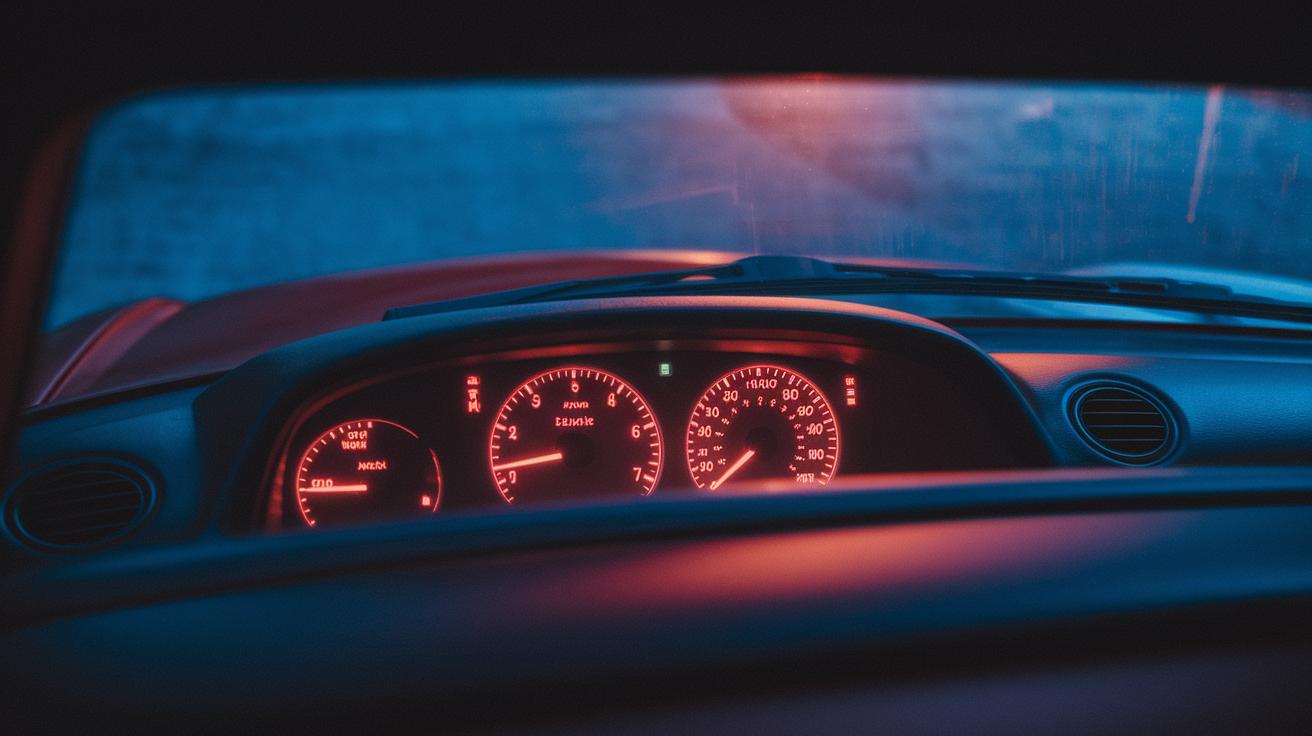
Have you ever seen your check engine light flash or noticed your tire pressure warning? When that happens, it's time to act fast. If the check engine light is flashing, get to a mechanic right away. Even if it's steady, it’s still a good idea to get it checked soon. And if your headlights, tail lights, or wiper blades aren’t working, replace them immediately for your safety. Imagine driving at night with dim headlights, it feels like trying to find your way on a pitch-dark road.
Every month, do a few simple checks to keep your car in great shape. Start by checking your engine oil with the dipstick. You might notice it’s dropped by about a quart over time. Next, add coolant or antifreeze as your car’s manual suggests. This helps keep your engine at the right temperature. Also, be sure to refill the windshield wiper fluid to keep your view clear on rainy or dusty days.
| Maintenance Task | What to Do |
|---|---|
| Lights & Wipers | Inspect and replace if faulty |
| Engine Oil | Check level and note any drop |
| Coolant/Antifreeze | Top off as per manual instructions |
| Wiper Fluid | Refill to maintain clear visibility |
By taking these steps regularly, you stop small issues from turning into big problems. It keeps your ride safe and smooth every day.
3,000-Mile Car Maintenance Schedule & Procedures
Every three months or 3,000 miles, give your car a quick check-up on its key parts. While your car’s parked safely with the engine running, check the automatic transmission fluid (this fluid helps your car shift gears smoothly) to spot any leaks or low levels before they become a big problem.
Then, take a look at your battery and cables. Make sure all the connections are snug and free from rust. And while you're at it, check your V-belts and serpentine belts (these belts help run engine accessories). Worn belts can lead to issues later on.
Next, peek at the engine air filter. If it looks dirty or if it’s been over a year since you swapped it, replace it with a new one. Also, check the power steering fluid, that’s what makes turning the wheel easier, and make sure it’s at the right level. Don’t forget to inspect your exhaust system for any signs of damage or leaks.
Tire care is important too. Confirm that every tire, including your spare, is properly inflated. Use a quick test like the penny or quarter method to see if your tread is at least 2/32” deep, or 4/32” if you need better grip in wet conditions.
Finally, change your oil and oil filter, and rotate your tires according to your car’s recommended pattern, whether it’s front-, rear-, or all-wheel-drive. For a step-by-step guide on an oil change, check out this guide:
car oil change.
6,000-Mile & Semiannual Car Maintenance Schedule
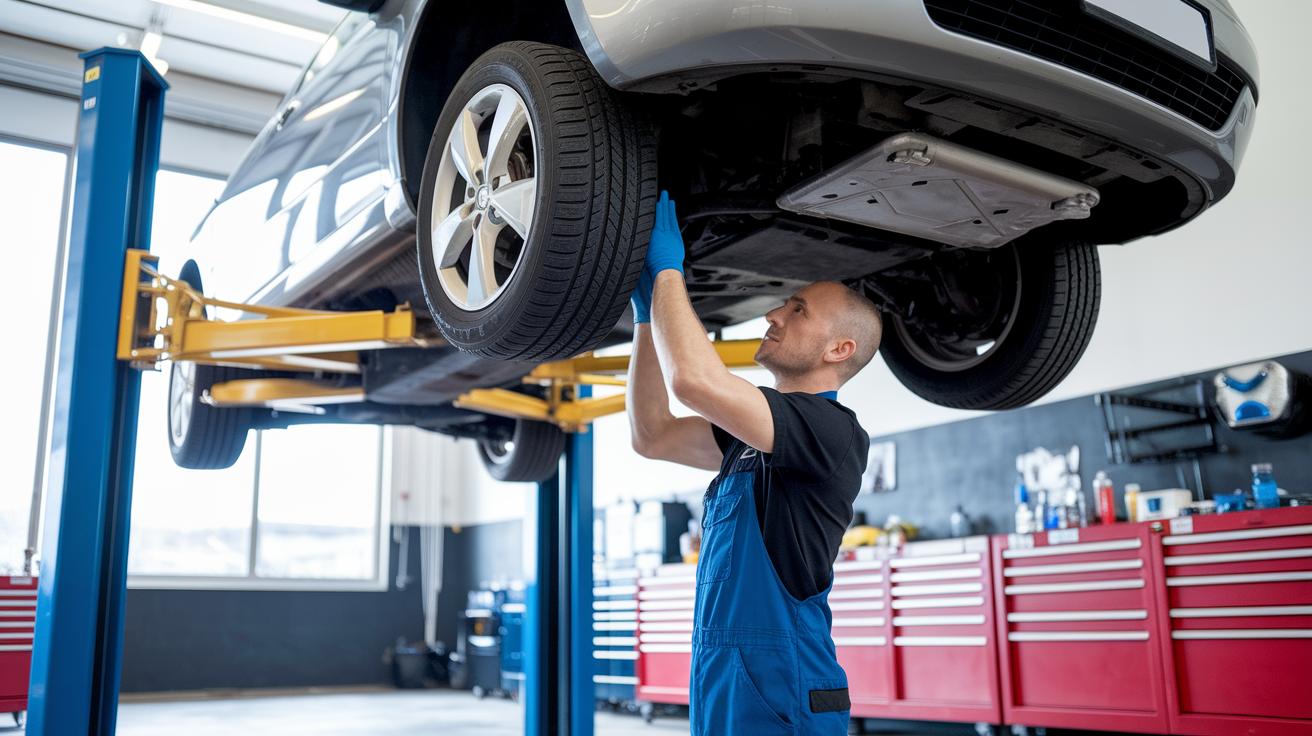
Every 6 months or 6,000 miles, give your car a little extra love. If your ride isn’t set up as “lubed for life,” start by lubricating the chassis. This is like treating your car’s underbelly to a quick massage, it reduces friction and keeps parts moving smoothly.
Then, revisit the checks you did at 3,000 miles. Look over fluids, belts, and filters to catch any changes early. Think of it as a routine doctor’s visit for your car; spending a few extra minutes now can help avoid bigger problems down the road.
Next, turn your attention to the outside. Wash your car and put on a fresh coat of wax to protect the paint. Not only does this keep your ride looking sharp, but it also stops rust from forming. Regular cleaning works like a beauty treatment and a shield against the elements.
Stick to these simple steps every 6,000 miles, and your car will stay reliable and ready for any adventure.
Annual Car Maintenance Schedule & 12,000-Mile Services
Every year or every 12,000 miles, it's wise to treat your car to a detailed check-up to keep it safe and running smoothly. First, take a close look at the brakes. Check the brake fluid, see if the pads and rotors are worn, and make sure there aren’t any signs of damage. Think of your brakes as your car's safety net; if they show any wear, replace the parts right away.
Next, change out the cabin air filter. This small filter, usually found behind or under the glove box, plays a big role in keeping the air inside your car fresh and your HVAC system efficient.
After that, flush and replace your car’s coolant or antifreeze. This important fluid acts as a shield to keep your engine cool and protect it from overheating. Replacing old coolant as recommended helps prevent engine damage over time.
Taking care of these tasks annually will help your car perform at its best, stay safe on the road, and enjoy a long, reliable life.
Advanced Maintenance Intervals: 30k, 60k & 90k Car Maintenance Schedule
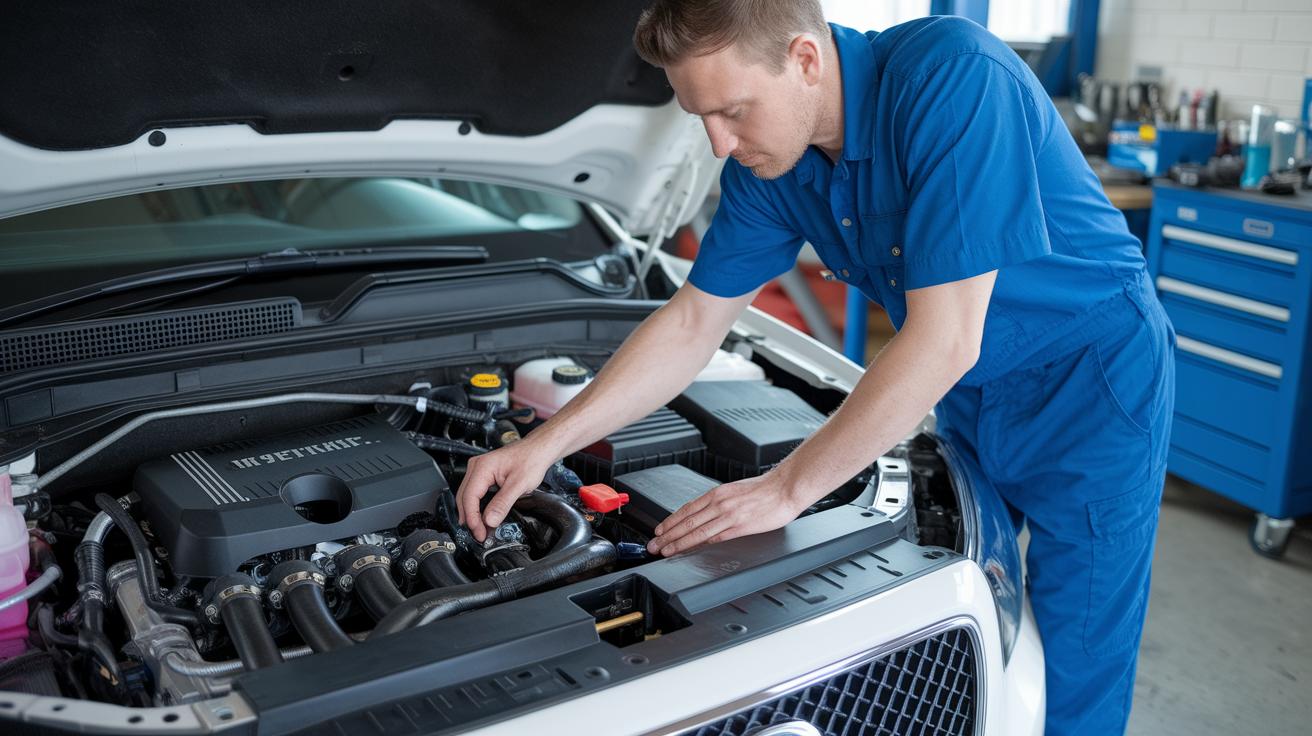
At 30,000 miles, your car needs a little TLC to stay in its best shape. Start by putting in a new fuel filter to keep dirt from reaching your engine. Change the engine coolant so everything stays at the right temperature and swap out the transmission fluid to keep shifts smooth. Check the spark plugs, those small parts that help fire up the engine, and look at the battery for any loose or rusty connections. Finally, give the brakes a good once-over to spot any worn pads or leaks early on. It’s like taking your car in for a full checkup that stops small issues before they turn into big, expensive repairs.
When you hit 60,000 miles, it’s time for a more thorough check. Do an oil change and flush out all the fluids, including power steering fluid, to clear away dirt and buildup. Test the battery to make sure it’s delivering the power you need and check the spark plugs again for signs of wear. Look carefully at the brake system, along with hoses, belts, and valves. Rotate the tires and make sure all fluids match the car maker’s guidelines. This service works like a full health report, making sure all the important parts stay in great condition.
At 90,000 miles, you’ll repeat many of the same checks as at 60,000, with a few extra steps. Flush the coolant to get rid of any deposits and replace the spark plugs if they’ve lost their spark. Swap out any worn belts and hoses so you can avoid unexpected failures, and inspect your tires to ensure they still have enough tread. This milestone check is like a final tune-up, helping keep your car safe and ready for many more miles on the road.
Car Maintenance Scheduling Tools & Tracking Systems
Digital logs and reminder apps make it super easy to keep track of your car’s service schedule. Think of a digital tracker as your own personal logbook that records service dates, mileage, and what's been done. It even sends you alerts for stuff like oil changes, tire rotations, and inspections based on your car’s schedule. It’s like having a buddy give you a friendly nudge when maintenance is due.
Printable maintenance log templates also help by giving you a neat way to jot down every service. This makes it simple to review the repair history and plan what’s next. And with a maintenance reminder system, you can set up custom alerts that fit your car’s exact needs. For example, you might download a maintenance log template from this resource (https://unionno.com?p=783) or try out a car maintenance app from here (https://unionno.com?p=698) to get those handy automated alerts right on your phone.
Using these tools turns managing your car’s health into a smooth, organized routine, keeping you on top of every service without any hassle.
Final Words
In the action, we've covered key tasks from regular oil changes and fluid checks to milestone services at 30k, 60k, and 90k miles. The blog breaks down tasks into monthly inspections, 3,000-mile procedures, and annual services, making it easier to stick to your car maintenance schedule.
We also touched on digital tracking tools to keep your maintenance log on point. Keeping these steps in view can help you drive safely and spend less on repairs. Happy motoring!