
Ever felt like your car is about to give up on you when you need it most? If your brakes start to squeak or feel soft, it’s a clear sign something isn’t right. This guide shows you simple fixes and clear steps to help keep your ride safe. With down-to-earth tips on brake repair, you’ll know how to handle these issues before they get worse. Stay in the know and drive confidently, knowing you’re ready whenever your brakes send a warning.
Brake repair: Swift solutions for safe stops
When your car starts acting up, brake repair is a must. You might hear a high-pitched squeal or even a grinding sound, which usually means your brake pads are getting too thin. Sometimes, the pedal feels spongy, hinting at air or fluid issues in your brake system. A slight vibration when braking can also suggest that the rotors are warped. Getting your brakes checked around every 30,000 miles can catch these problems early and help you avoid bigger issues later on with parts like rotors, calipers, or the master cylinder.
Local repair shops are a real lifesaver when it comes to brake repair. They usually have clear appointment scheduling and offer free estimates right from the start. Many places even provide same-day service so you can fix the problem quickly. When things get urgent, a trusted repair service will check if your brake pads are thinning, measure the grooves on your rotors, and inspect your entire braking system. A solid repair job gets you back to safe stops and puts your mind at ease on crowded roads.
Car owners really appreciate these local services that combine same-day appointments with speedy free estimates. The smooth scheduling process makes it easy to book a slot when you need it most. Quick work by experienced technicians not only boosts your safety but also keeps your car running smoothly. With prompt brake repairs, safe stops are always within reach, letting you feel secure every time you hit the road.
Brake Repair Symptom Checklist: Noise, Vibration, Fluid Leaks, and More
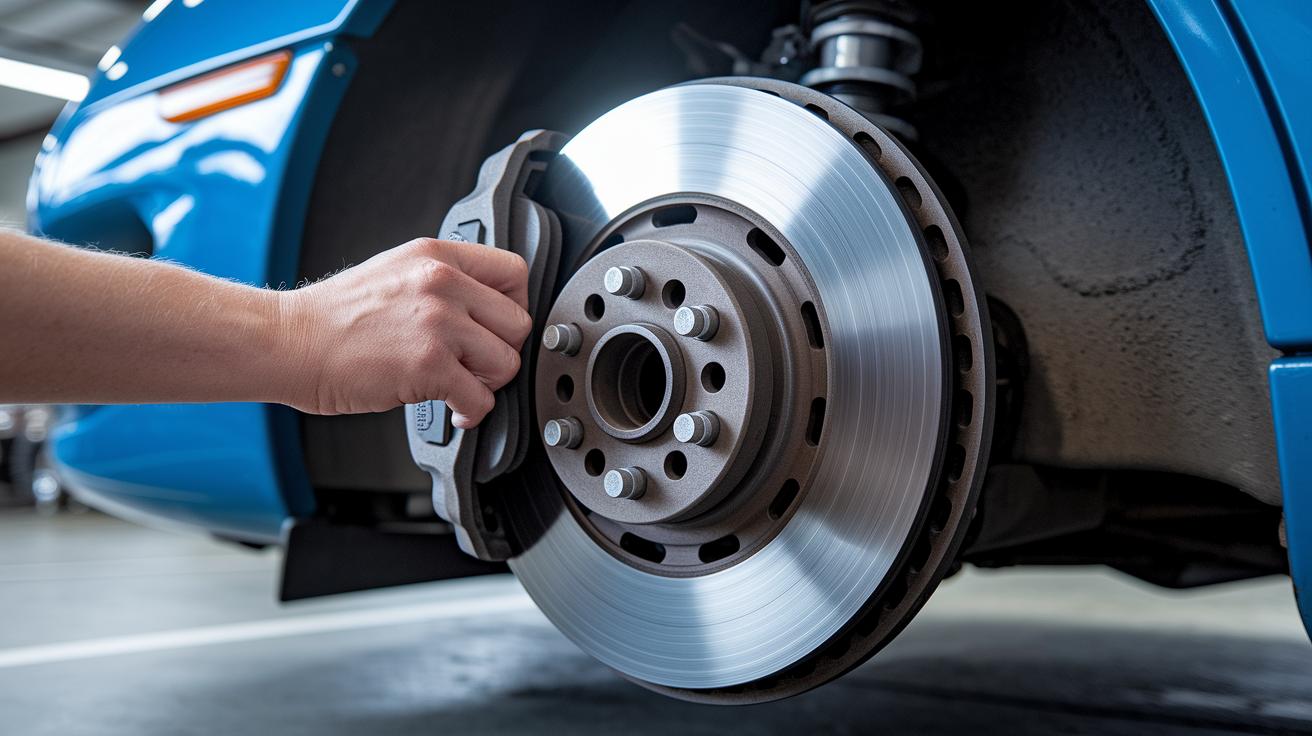
When your car starts acting a bit off, it's a good idea to check your brakes. Ever heard that high-pitched squeal or even a grinding sound when you hit the pedal? That usually means your brake pads are almost worn out. I remember the first time I heard that constant squeal, I knew right away it was time for a closer look.
Sometimes your brakes might give you another clue: a vibration in the pedal. If you feel a pulsing or wobble when you slow down, it could mean your rotors are warped. That odd shake might just be telling you something isn’t right.
Then there's the spongy pedal. When the brake feels soft or like it's sinking underfoot, it might be because there's air in the brake lines or a brake fluid leak. It’s a clear sign something isn’t working as it should.
Also, keep an eye out for any fluid leaks. See any small puddles of clear-yellow fluid under your car? That could be brake fluid escaping from lines, calipers, or even the master cylinder. And if your dashboard light for ABS comes on, it’s time to have your anti-lock system checked out immediately.
| Symptom | What It Means |
|---|---|
| Grinding or Squealing Noises | Brake pads are worn out |
| Vibration During Braking | Rotors could be warped |
| Spongy Brake Pedal | Air in the brake lines or fluid leak |
| Fluid Puddles Under the Car | Possible brake fluid leaks |
| ABS Warning Light On | Immediate check of the anti-lock system needed |
Each of these signs is a clear nudge to get your brakes looked at by a professional. Stay safe out there and keep an ear open for what your car might be telling you!
DIY Brake Repair Guide: Pad and Rotor Replacement Steps
First, check your brake pads. They usually wear out by 30,000 miles. Grab a caliper or even a simple ruler to measure their thickness. If the pad is less than 1/4 inch, it’s definitely time to replace it, you don’t want thin pads risking damage to your rotors.
Next, lift your car safely using a jack and secure it with jack stands. Then, take off the wheels so you can see all parts of the braking system clearly.
Here’s a quick breakdown of the process:
- Lift your vehicle and remove the wheels.
- Unbolt the caliper to access the brake pads.
- Remove the worn pads, making a note of their position.
- Carefully peel back the caliper without straining the brake line.
- Look over the rotors closely for grooves, scoring, or any signs of damage.
- Based on the rotor’s thickness, decide if it needs resurfacing or a complete replacement.
After you have replaced the pads, put on the new or resurfaced rotors. Align them carefully and tighten the fasteners to the manufacturer’s settings. A special tool, like a caliper piston tool, can really make the removal and installation smoother.
Once everything is reassembled, bleed the brakes to remove any air bubbles from the brake lines, imagine it’s like releasing bubbles from a soda. This step is key to regaining a firm pedal feel.
Follow these steps carefully, and you’ll have a safe, reliable DIY brake repair. Taking your time and using the right tools means you’ll soon be back on the road with confidence in your stopping power.
Brake Repair Procedures: Caliper, Booster, and Master Cylinder Services
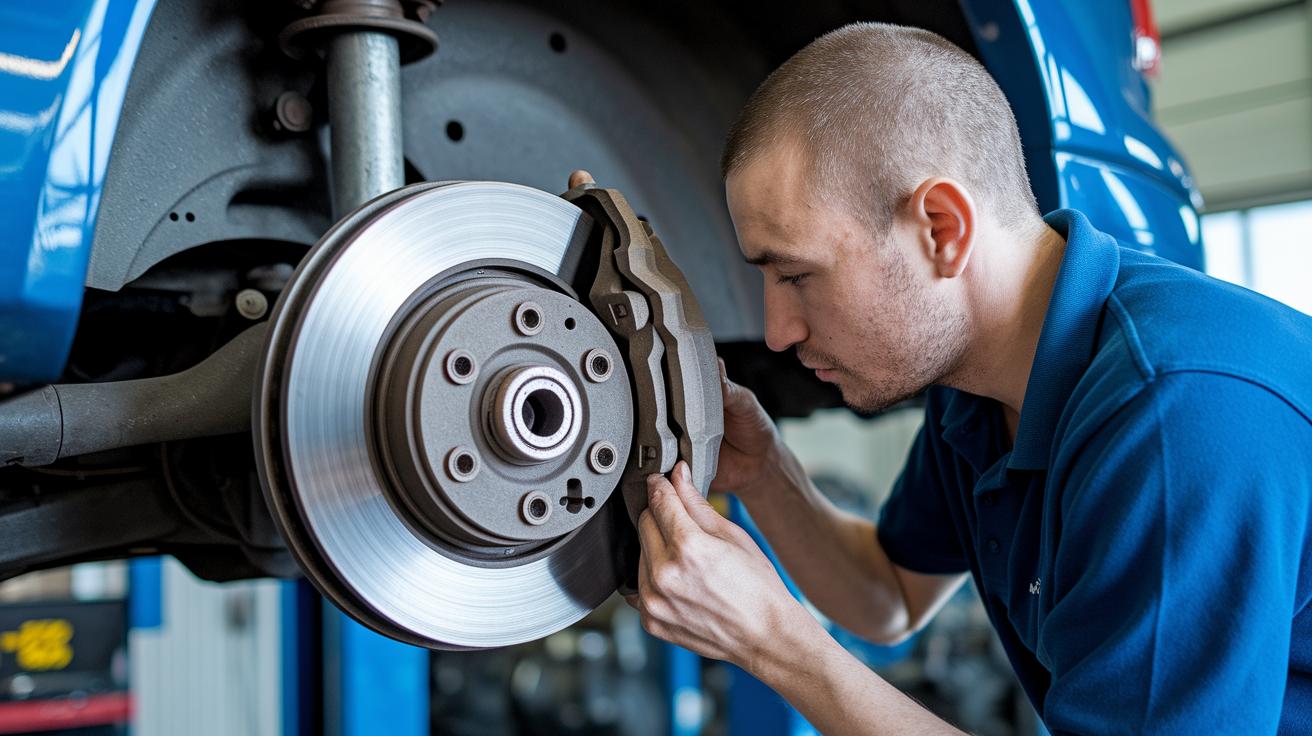
Caliper repair is a must for keeping your brakes even and working as they should. When you rebuild or replace a caliper, the piston moves like it’s meant to. This makes sure your pads hit the rotors evenly, kind of like two well-matched scissors cutting smoothly.
Next, there’s brake booster repair. If your pedal feels too stiff, it might be because the booster isn’t giving you enough vacuum assist. Fixing it brings back that soft, responsive pedal feel. I remember one quick stop where my pedal felt rock-hard until I had the booster checked, it was like night and day afterward.
Master cylinder service is just as important. A spongy pedal often hints at internal leaks or a troubled bore. Getting the master cylinder serviced fixes these issues and brings back that firm pedal feel you can rely on. Think of the master cylinder as the heart of your brake system; if it’s off, everything else is too.
Also, a full fluid flush is key to a healthy braking system. It clears out moisture from the brake fluid, which might weaken your anti-lock braking system (ABS). The process drains the old, damp fluid and replaces it with fresh fluid. Plus, certified techs use diagnostic scanners to review the ABS module, catching any issues before they become a problem.
| Service | Why It Matters |
|---|---|
| Caliper Repair | Helps avoid uneven pad wear and keeps the piston moving smoothly |
| Booster Repair | Restores proper vacuum assist for a responsive brake pedal |
| Master Cylinder Service | Fixes leaks and ensures a solid, reliable pedal feel |
These steps, done by skilled auto experts, make sure your brakes work smoothly and reliably every time you need to stop.
Brake Repair Cost Guide: Price Estimators, Comparisons, and Special Offers
Figuring out brake repair costs might seem confusing at first. But when you break it down, it becomes much clearer. For example, replacing brake pads and rotors on one axle usually costs between $250 and $500. If you need to replace all four wheels, the price can go from $500 up to $1,000. Front pad jobs tend to cost around $150 to $300, and rear pad jobs are a bit less, around $100 to $250.
Some service specials can really make a difference, too. Many repair shops offer a $99 pad inspection or a light-duty pad replacement deal. Ever think that a simple $99 inspection might save you from a $500 repair later? It’s a smart way to catch problems early.
When it comes to more advanced repairs, things like caliper replacement usually cost between $75 and $200 each. And booster service can set you back anywhere from $200 to $350. Using online cost calculators is a great idea here; you can enter your vehicle details and repair needs to see a clear estimate of your repair bill.
Consider this simple cost breakdown:
| Service | Estimated Cost |
|---|---|
| Pad & Rotor Replacement (per axle) | $250 – $500 |
| Full Car Replacement | $500 – $1,000 |
| Front Pad Job | $150 – $300 |
| Rear Pad Job | $100 – $250 |
| Caliper Replacement | $75 – $200 each |
| Booster Service | $200 – $350 |
These numbers give you a clear picture of what to expect when comparing local repair offers and checking out cost estimators. It’s all about making smart choices to keep your ride safe without breaking the bank.
Brake Repair Service Selection: Local Providers, Reviews, and Warranty Options
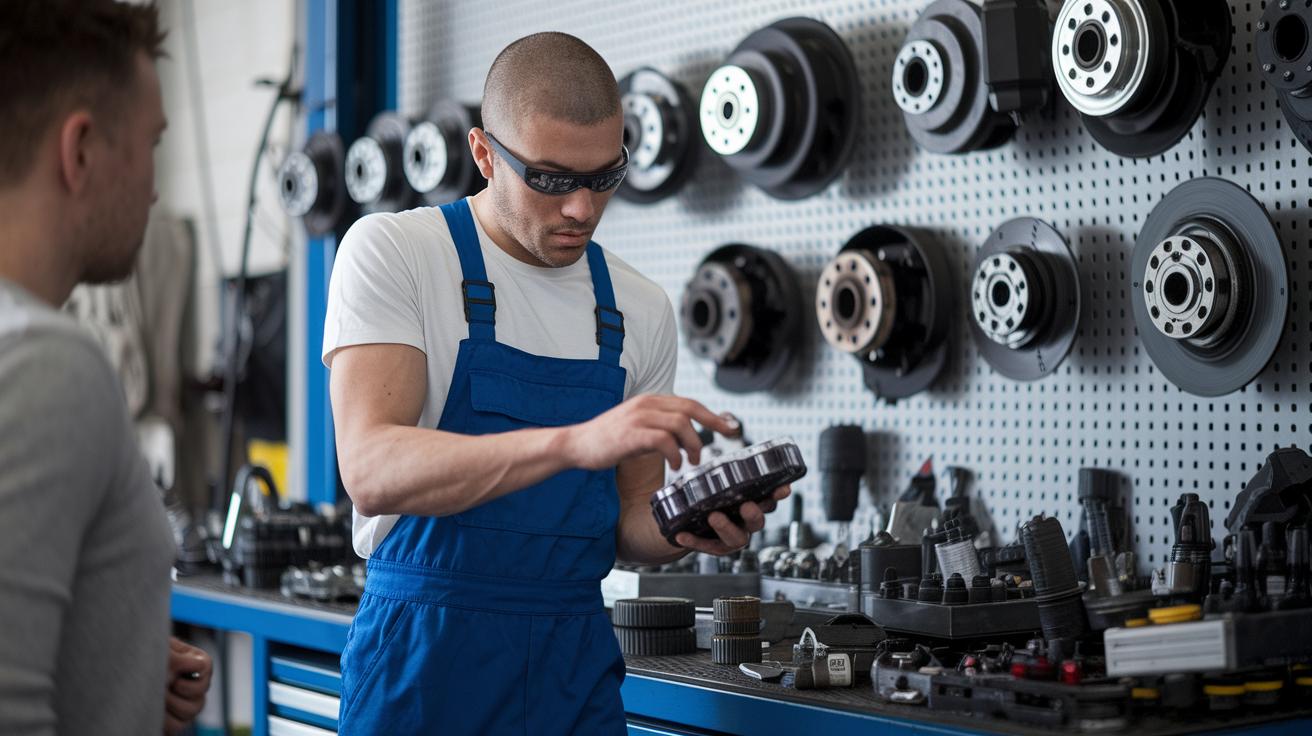
Choosing a good brake service can be simple when you pick a local shop with certified mechanics and clear, honest pricing. It feels reassuring when the mechanic explains each step, like saying, "I always show you every part we change so you know exactly what's happening." This kind of honest talk builds trust fast.
Customer reviews also tell the story. They often mention easy-to-understand repair details, a quick turnaround, and quotes that leave no room for surprises. It's like getting advice from a friend who really knows cars.
Booking your appointment has never been easier. Picture this: a few clicks online and you have your slot and even a free estimate right away. This smooth process lets you focus on the road instead of worrying about repairs.
Warranty choices matter too. Many shops now offer plans that range from a 12-month/12,000-mile plan to lifetime coverage on brake pads, rotors, and labor. With these guarantees, you get extra peace of mind knowing your repair is backed for the long haul.
Here's what to keep in mind:
| Factor | Benefit |
|---|---|
| Local Providers | Certified mechanics and fair pricing |
| Customer Reviews | Easy-to-understand repair details and speedy service |
| Warranty Options | Plans that cover parts and labor for a set period or even a lifetime |
| Online Booking | Quick scheduling with a free estimate |
By checking these points, local service with skilled mechanics, positive reviews, flexible warrants, and a no-hassle booking process, you can confidently choose a brake repair service that keeps you safe and satisfied. Ever felt that peace of mind when everything is taken care of? That's the real drive behind a job well done.
Brake Repair Maintenance: Preventative Checks and Seasonal Service
Keeping your brakes in tip-top shape can help you dodge big repairs and make sure your car responds exactly when you need it to. It’s a good idea to get a full brake check every year or every 12,000 miles to catch any problems before they turn into costly fixes. That check should include a look at the wear sensors on your pads and a quick inspection to make sure your rotors aren’t gathering rust or debris.
Seasons can play tricks on your brakes too. In the winter, take a moment to check for any rust on the rotors or signs that the caliper slides might be sticking. Then in the summer, remember that dust and brake dust can build up and change how your brakes perform. For example, a simple sensor test can show if your pads have worn down to less than 1/4 inch, that’s your cue to swap them out.
Key steps to keep in mind:
| Step | Description |
|---|---|
| Brake Pads | Inspect every season for wear |
| Brake Dust | Clean off to prevent buildup |
| Rotors | Check for rust buildup |
| Caliper Slides | Examine to ensure even wear |
Using these simple measures can help your brakes last longer and work just like they should. Just like you check tire pressure to keep your ride safe, a seasonal brake check is smart for avoiding surprises and keeping repair costs low. When your brakes are looking after each other, you get the peace of mind that you’ll stop safely, rain or shine.
Final Words
In the action, this article walked you through spotting key brake repair issues, from detecting unusual noises to knowing when to book professional service. It also offered guidance on DIY repair steps and how to estimate costs while considering certified local repair services. By keeping an eye on symptoms like vibration and spongy pedals, you can stay ahead of future issues. Stay proactive with routine checks and clear repair estimates, and enjoy the smooth, confident drive that comes with smart, timely brake repair.
FAQ
How can I find reliable and affordable brake repair services near me, including in places like California and Texas?
Reliable local brake repair means checking online reviews, comparing costs, and confirming services like same-day repairs. Many shops offer specials such as $99 inspections and clear pricing for peace of mind.
How much should it cost to fix my brakes?
Cost varies with parts and labor. Typically, pad and rotor replacements run about $250–$500 per axle, while overall repair bills depend on the specific services needed and regional pricing.
Are same-day brake repair services available near me?
Yes, many repair centers offer same-day services. These fast repairs help fix issues like worn pads or warped rotors quickly so you can return to safe driving without long delays.
What is the 30-30-30 rule for brakes?
The 30-30-30 rule suggests checking your brake pads every 30,000 miles, ensuring they maintain at least 30 percent thickness, and scheduling service if any sign of wear appears to maintain safe braking.
Does Jiffy Lube repair brake pads?
Jiffy Lube often handles brake pad inspections and replacements. Their service helps quickly address pad wear, but it’s best to call your local location to be sure they offer the specific brake repair you need.