
Have you ever spotted a little puddle under your car and wondered if it’s just rainwater or something more serious? Even a small oil leak can be a warning sign.
A tiny drip might mean that seals or gaskets are worn out and could cause bigger engine problems later. In this article, we’ll look at what causes oil leaks, the signs to watch for, and some smart fixes.
Stick around and find out how to keep your engine happy and running smoothly.
Diagnosing Leaking Oil: Understanding Severity and Causes
One of the first hints of an oil leak is spotting puddles under your car. If you see engine fluid oozing out, it usually means a seal might be broken, a gasket is worn out, or perhaps the oil pan has a crack. For example, a dark spot under your parked vehicle is a clear sign that something isn’t right.
Keeping up with oil changes is crucial. Older cars typically need one every 3,500 miles, while newer models can go between 7,000 and 10,000 miles without a hitch. As oil ages, it degrades and picks up contaminants that wear out engine parts faster. Sure, a short drive under 10 miles might not cause immediate trouble, but repeated leakage will lower oil levels, making it harder for your engine to stay properly lubricated. Plus, oil dripping on hot parts like the exhaust manifold could even lead to a fire.
Think of it like a leaky faucet. A small drip might not seem urgent at first, but over time it can create big problems. Often, these leaks hide around old, cracked seals or dried-out gaskets that no longer keep the oil in place.
Losing oil all the time means your engine is constantly fighting against low oil levels. This extra stress on engine parts can even cause overheating. And if you ever notice a burning smell, it’s likely because dripped oil is meeting hot engine components. Catching these signs early lets you either top up the oil quickly or schedule a repair before more serious damage occurs.
Common Causes of Oil Leaks: Gaskets, Seals, and Pan Damage
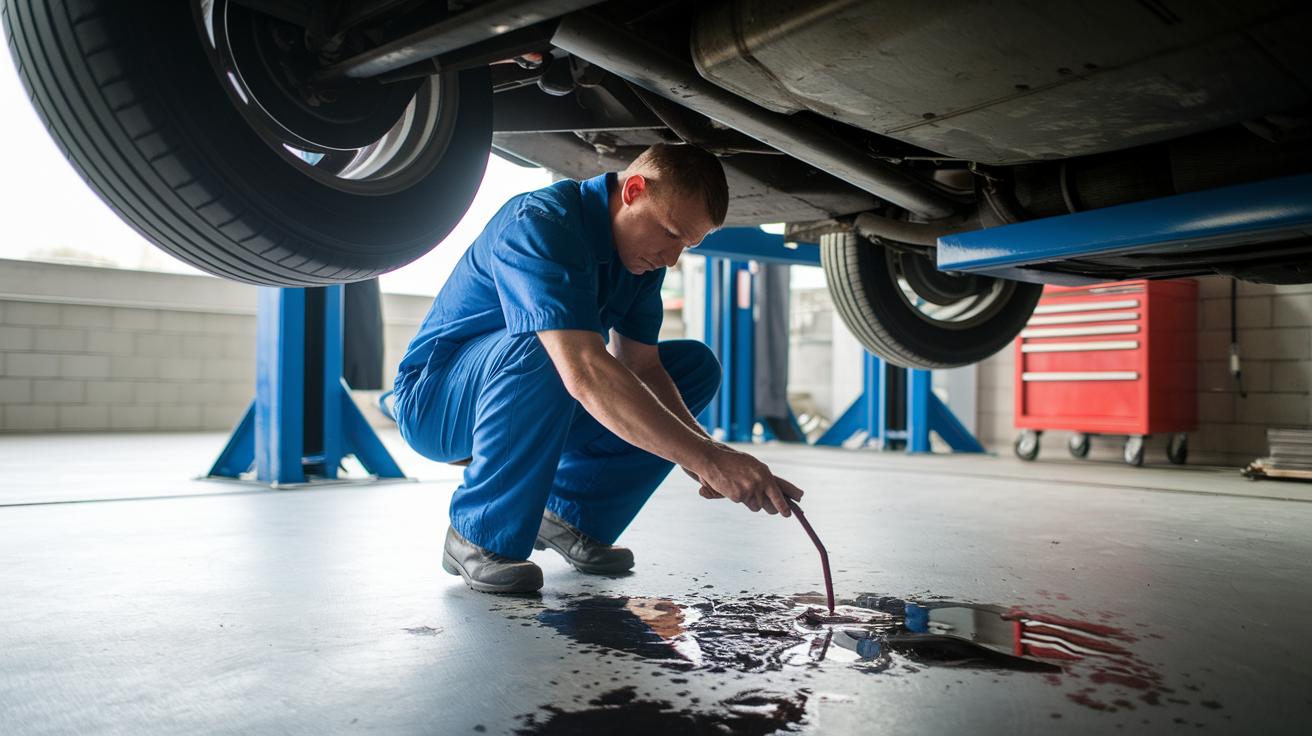
Oil leaks often start with worn-out gaskets. These include parts like the valve cover gasket, cylinder head gasket, timing cover gasket, and oil pan gasket. Over time, constant heat makes these seals hard and crack, much like how old rubber eventually loses its flexibility. Ever noticed dark spots under your car? That could be a sign your gasket isn’t sealing properly.
Valve cover seals can also be tricky, sometimes letting oil drip onto nearby engine parts. And think of a loose oil pan drain plug like a water bottle with a cap that isn’t screwed on tight, oil slowly spills out. Similarly, crankshaft and camshaft seals can dry up or crack, letting oil escape as the engine runs. Plus, a stray piece of road debris can hit the oil pan and poke a small hole, causing a gradual leak.
It’s a good idea to check these spots regularly. If you see steady oil drips or notice puddles under your ride, it might be time for a closer look before the issue grows.
Recognizing Symptoms of Underbody Oil Puddles and Drips
Don't just focus on dark stains or greasy spots. Sometimes, odd engine sounds or gentle shakes can signal an oil leak, especially when combined with sensor alerts from your dashboard. For instance, if you notice the oil level slowly dropping on your display, it might be worth taking a closer look.
Keeping an eye on these quieter signs can help you avoid more serious issues later. In some newer cars, that "check oil" light might only pop up after small leaks create subtle engine vibrations or faint ticking sounds when you're idling. Next time you park, listen carefully for any rhythmic ticks, like a soft metronome beat, you might usually miss.
Here's a simple checklist for your routine inspections:
- Grab a flashlight and check hidden engine parts.
- Listen for any unusual engine noises.
- Keep an eye on the dashboard oil-level sensor.
- Feel for gentle vibrations that aren’t normal for your car.
| Inspection Tip | What to Do |
|---|---|
| Visual Check | Look under your car at engine parts for any tiny oil films |
| Auditory Clues | Notice any soft ticking or minor rattles while idling |
| Sensor Monitoring | Pay attention to any alerts about dropping oil levels |
DIY Detection Methods for Engine Fluid Seepage
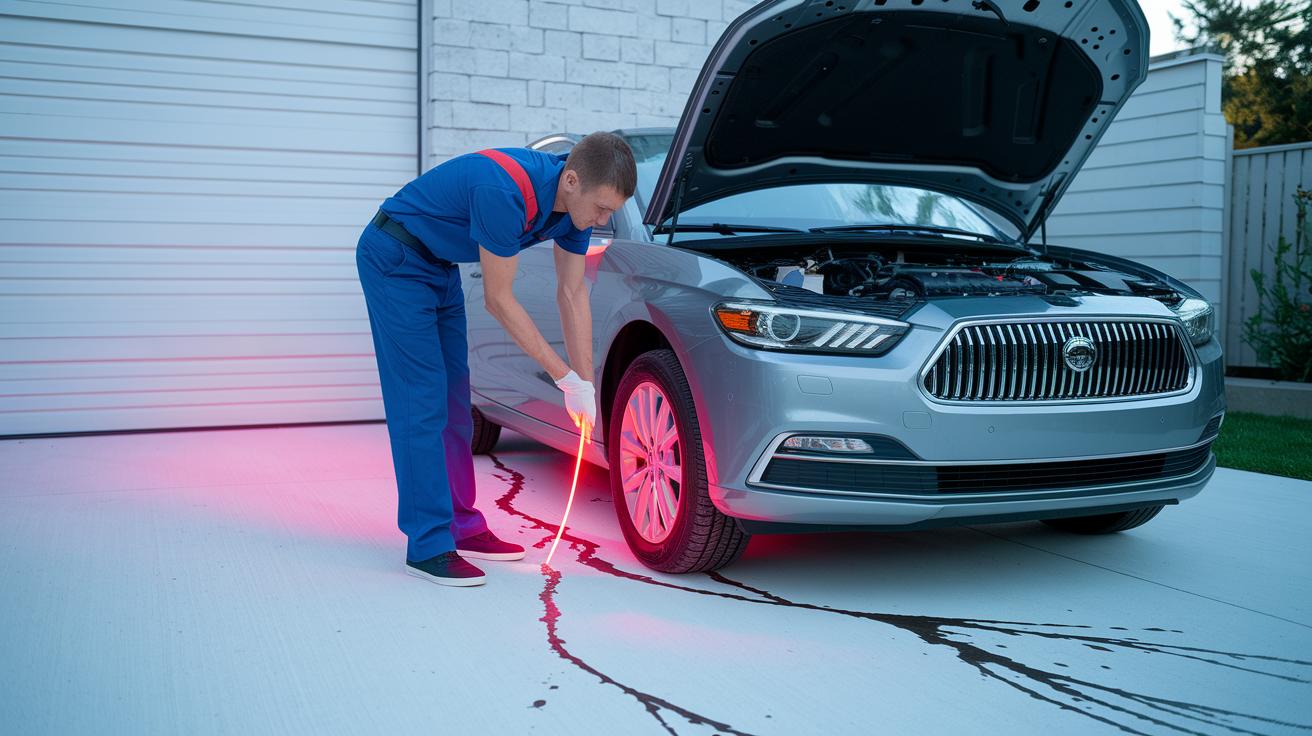
Let’s try a simple three-step plan to find oil leaks on your engine. First, park on a clean, light surface, like a paved driveway. This makes it super easy to spot fresh oil. Imagine seeing a neat streak on a white garage floor, it suddenly points you in the right direction.
Next, start your engine and watch where the oil drips carefully. Look under the oil pan and around the gaskets or seals. Even a slow drip can be a small clue, like piecing together a mystery.
Finally, add a special UV dye into your oil system. Run the engine for a little bit and then grab a UV lamp. With the glowing dye, you can spot oil traces that might hide from regular eyes. This smart trick helps you zero in on the leak.
- Park on a clean, light surface to spot new oil.
- Watch the drip patterns while the engine is running.
- Add UV dye and use a UV lamp to reveal hidden leaks.
By following these steps, you'll get a clear idea of where the oil is seeping before you decide on any repairs.
Assessing Risks and Severity of Leaking Oil in Front and Rear Sections
When oil leaks from the front end, like from a worn valve cover, it can drip onto the drive belts. This constant oil exposure wears the belts down and may eventually harm your engine. Oil leaks mean your engine isn’t getting the right lubrication, which puts extra stress on its parts. Imagine noticing oil around the belts, it’s like your car shouting for help.
At the rear, things are just as concerning. A failing rear main seal often leaks more when the engine is hot and parked, letting oil collect in the bellhousing. When oil builds up there, it can drip on hot parts and cause problems. Think of oil meeting a hot exhaust manifold, it could quickly lead to a fire hazard.
Even a small leak can lower oil pressure, cause overheating, and damage engine parts. I remember a buddy who noticed a tiny drip that, over time, led to a bit of overheating and extra strain on his drive belts. Catching these issues early can keep bigger troubles at bay. Whether the leak is at the front wearing out parts or at the rear risking fire, fixing it fast is key to keeping your car running smoothly.
When to Call a Mechanic: Professional Diagnostic and Service Guidelines
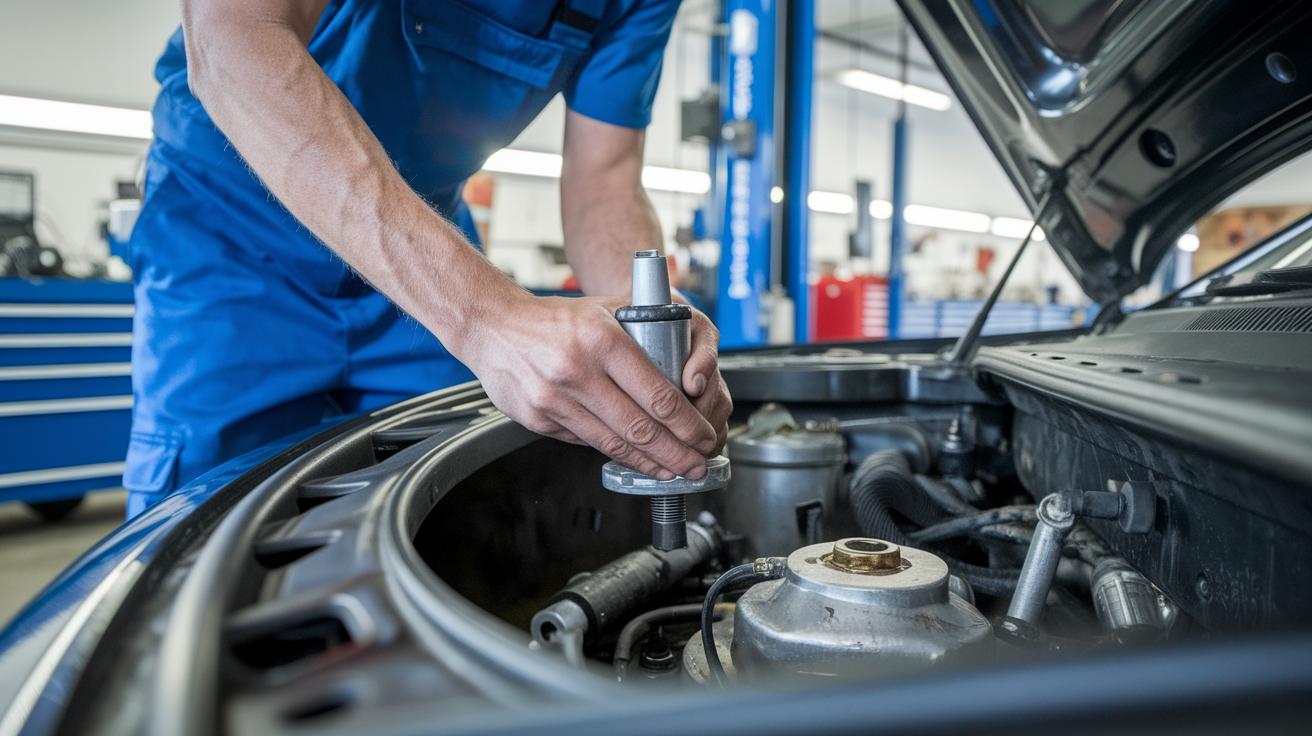
Sometimes you can handle a small oil leak on your own. For example, a loose drain plug or an old filter seal might only need a quick tightening or replacement. It’s like fixing a dripping tap, just a few simple fixes can stop the leak before it turns into a bigger problem.
But when leaks get more serious, it’s time to call a pro. If you notice oil coming from a worn rear main seal or a damaged internal gasket, expert help is usually needed. These repairs might even require taking apart the transmission. Trying to fix these issues with just basic tools isn’t safe or effective.
Most service centers perform a thorough 19-point inspection to catch even the tiniest leaks, including those tricky fluid signs that happen after a service. By following solid diagnostic tips, you can figure out whether a DIY fix will do or if you should leave it to the professionals.
If oil loss keeps getting worse or if your engine shows low oil pressure accompanied by unusual noises, it’s a smart move to get professional guidance rather than risk further damage.
Professional Repair Solutions and Estimated Repair Expenses
When oil leaks turn from a simple annoyance to a real worry, it’s a good idea to get a professional repair. Sometimes, a quick fix now can prevent bigger problems later. For example, replacing a valve cover gasket usually takes about 1 to 2 hours and costs around $200 to $400. It’s like making a short pit stop to keep everything running smoothly.
If your oil leak involves the oil pan gasket, expect the work to take a bit longer, around 2 to 3 hours, and cost between $300 and $600. It’s a small extra investment to protect your engine’s performance over time.
For more complicated issues, like a rear main seal replacement, the repair might last from 6 to 10 hours and run anywhere from $500 to $1,200. This job is tougher and might need parts like the transmission to be taken out, so it definitely calls for a skilled mechanic. Even simpler fixes, like replacing a drain plug gasket or O-ring, are important; these quick repairs take less than half an hour and usually cost between $20 and $80.
Getting a solid repair quote in advance can really help you decide whether to go to a local shop or a dealership. It’s all about planning smart, so you’re not caught off guard by costs later.
| Repair Task | Time Required | Cost Range |
|---|---|---|
| Valve Cover Gasket Replacement | 1–2 hours | $200–$400 |
| Oil Pan Gasket Replacement | 2–3 hours | $300–$600 |
| Rear Main Seal Replacement | 6–10 hours | $500–$1,200 |
| Drain Plug Gasket or O-ring | Under 0.5 hour | $20–$80 |
By knowing these typical repair times and costs ahead of time, you can budget better and choose the best repair option for your car. Stay ahead of the game and give your engine the care it deserves.
Temporary Fixes and Safety Measures for Minor Oil Leaks
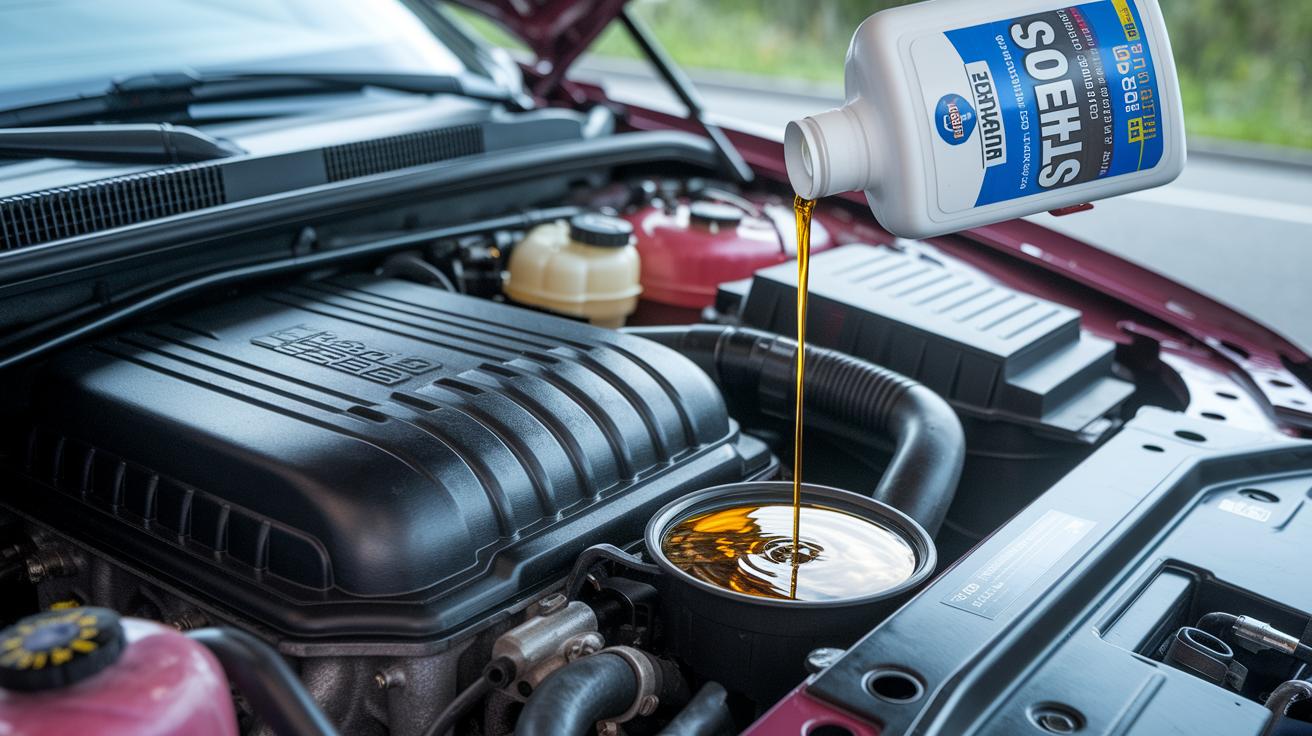
Stop-leak additives can be a handy temporary solution for minor oil leaks by sealing small gasket cracks. For instance, mix the additive with your oil as instructed and take a short drive so the liquid can move around and work its magic. Keep in mind, this quick fix is only meant to hold things together until you can get a proper repair.
Try to limit your driving to trips under 10 miles until you have the leak permanently fixed. It's a bit like topping off your gas when you're low, you keep things running safely until you can take care of the real problem. And if you want to learn more about maintaining your oil levels, checking out a reliable guide on topping up car oil might help.
Here are some simple tips if you're tackling the issue yourself:
| Tip | What to Do |
|---|---|
| Oil Level | Check and top off regularly. |
| Driving Style | Keep the RPM low to avoid making the leak worse. |
| Additive Use | Follow the instructions on the product exactly. |
While these measures help keep your engine in good shape, they do not fix the leak itself. Use these tips only as a temporary safety measure until you can get a detailed repair done.
Car leaking oil: Smart Solutions Ahead
If you spot oil stains on your driveway or asphalt, don’t wait, act fast. For new spills, grab some cat litter or baking soda and sprinkle it over the affected area. Let it sit for a bit so it soaks up the oil, turning that messy mess into something more manageable.
After the spill has absorbed, scrub in a degreaser and let it work for about 15 to 30 minutes. This helps break down the oily residue and gets the surface ready for a good rinse. If you’re dealing with older or heavier stains, try a commercial concrete cleaner instead. You might even grab a pressure washer to blast away the stubborn spots.
Quick cleanup not only keeps your driveway looking neat but also avoids any environmental risks. Oil left on surfaces for too long can seep into the soil and water, which isn’t good for anyone. Always test your cleaning method on a small spot first and repeat if needed. Keeping your ramp clean is a smart way to protect your property and the local ecosystem.
Preventive Maintenance to Avoid Future Oil Leaks

Keeping your car running smoothly starts with regular maintenance. Think of it like giving your ride a health check-up. For older cars, an oil change every 3,500 miles works well, while newer ones can stretch it out to 7,000–10,000 miles. Fresh oil helps protect important parts like gaskets and seals, keeping them in good shape.
Every time you get your oil changed, take a moment to look at your engine’s gaskets and seals. It’s like checking your tires before a long drive, spotting a small leak early can save you from bigger problems later. Next time, give a quick glance at the valve cover and oil pan gaskets, just as you would check your tire pressure.
Using the oil and filters approved by your car’s maker is a smart move. It means you’re using the best stuff for your engine and can catch slow drips before they turn into a headache. Here are a few simple habits to stick to:
- Keep an eye on your oil levels.
- Follow up after oil changes.
- Record each service check.
If you need more detailed oil change tips, check out the guide at thecivics.com?p=. Maintaining these basics helps your engine stay happy and can save you money on repairs down the road.
Final Words
In the action, we detailed how a car leaking oil reveals itself, from hidden engine drips to visible puddles. We touched on window causes like faulty gaskets and seals and how to safely check for signs of oil seepage.
We also shared simple DIY tests and when to seek a mechanic’s help, along with tips for cleaning spills and practicing smart maintenance. Stay proactive to keep your vehicle running smooth and safe. Enjoy the ride!
FAQ
Car leaking oil while parked?
A parked oil leak means oil is escaping when you’re not driving. It suggests issues like worn gaskets or seals. Getting it checked soon is key, as prolonged leakage can lead to engine or fire hazards.
My car is leaking oil from the front. Why is that?
A front oil leak often points to problems with the valve cover gasket or seals. Oil can drip onto drive belts, risking premature wear, so having it inspected early can save you from bigger engine troubles.
How much does it cost to fix an oil leak in a car?
The repair cost for oil leaks usually ranges from about $200 to $1,200. Costs depend on the leak’s location and severity, whether it’s a gasket, seal, or drain plug issue.
Car leaking oil after oil change—what’s going on?
Leaks after an oil change can mean the filter or drain plug wasn’t properly tightened. This small oversight can cause oil to seep out, so a quick recheck might prevent further issues.
Can you drive a car with an oil leak?
Driving with an oil leak isn’t advised. Lower oil levels can harm engine parts, and if oil drips onto hot surfaces, it might pose a fire risk. Short, controlled drives may be okay, but repair is needed soon.
What should I do if my car is leaking oil?
When you notice oil leaking, inspect the leak’s source and maintain oil levels. Then, schedule an evaluation by a qualified mechanic to address the issue and avoid damage.