
Ever thought a quick oil change might do more than just tick a box on your maintenance list? It’s not just routine work, it helps your engine run smoother and stops big repairs later on.
Think of it like giving your car a little health check. A fresh oil change saves you money while making sure your ride stays in top shape.
In this guide, we’ll walk you through easy, safe steps to change your oil at home. Roll up your sleeves and see how a bit of DIY effort can really boost your car’s performance.
DIY Car Oil Change: Step-by-Step Guide
Changing your car's oil at home can be both fun and budget-friendly. It's a chance to check in on your engine's health while saving a few bucks. Just make sure your engine is cool and your work area is safe before you dive in. Whether your older car needs an oil change every 3,000 miles or your newer model can stretch to 5,000–7,500 miles, or even up to 15,000 with full-synthetic oil, this guide has you covered.
| Tool |
|---|
| Oil drain pan |
| Socket wrench |
| Oil-filter wrench |
| Funnel |
| Jack stands or ramps |
| Safety gloves |
- First, lift your car safely using jack stands or ramps. If needed, remove the plastic undertray for better access. This ensures you have a stable and safe work area.
- Next, slide the oil drain pan under your oil pan, then remove the drain plug. Let out at least one gallon of old oil, and watch as it slowly leaves the engine.
- Now, grab your oil-filter wrench and remove the old oil filter. Allow any remaining oil to drain out, and clean up any spills around the filter spot.
- After that, pop the drain plug back in and tighten it snugly using your socket wrench. Follow the manufacturer’s guidelines for torque, and consider using a new washer if recommended.
- Lastly, attach the new oil filter and carefully refill the engine with the right amount of oil using a funnel. Run the engine for a few moments, then check your dipstick to make sure the oil level is just right.
This hands-on oil change not only saves money but also boosts your confidence in basic car care. There’s something really satisfying about taking care of your ride yourself, ever felt that simple joy after a job well done? Enjoy the process and keep your engine purring strong!
Choosing the Right Oil and Filter for Your Car Oil Change

If you want your car to run smoothly, nailing down the right oil and filter is a must. Synthetic oil is designed with special chemicals that help clear out impurities, and it can go up to 15,000 miles before needing a change. That’s great if you prefer fewer trips to the shop. But if you stick with conventional oil, plan on changing it every 3,000 to 5,000 miles. Your car’s manual and the oil-cap markings are like little guides, they tell you the right viscosity grade (like 5W-30) and exactly how much oil to use. It might also help to compare synthetic with high-mileage oil to see which one fits your ride best.
Here are four key points to keep in mind:
| Factor | What to Do |
|---|---|
| Oil Type | Figure out if synthetic or conventional oil fits your driving style. |
| Viscosity Grade | Make sure it’s the right thickness for your engine. |
| Mileage | If your car has more than 75,000 miles, check out high-mileage oils with seal conditioners. |
| Volume & Filter | Follow the manufacturer’s hints to keep your engine happy and clean. |
This way, you’ll keep your engine purring and ready for the road. Enjoy the drive!
How Often to Schedule Your Car Oil Change
When it comes to caring for your car, keeping the engine happy is as simple as following a few key oil change intervals. If your ride was built before the year 2000, it’s a good idea to change the oil every 3,000 to 5,000 miles to avoid any engine troubles. For most gas-powered cars made more recently, you can usually wait until about 5,000 to 7,500 miles before the next oil change. And if your car only runs on full-synthetic oil, you might even be able to drive up to 15,000 miles between changes.
Need more details on planning your routine maintenance? Check out our maintenance tips section. There, you’ll find extra advice on everything from using a car maintenance app to logging your mileage by hand. Enjoy the ride and keep that engine running smooth!
Cost Breakdown: How Much Does a Car Oil Change Cost?
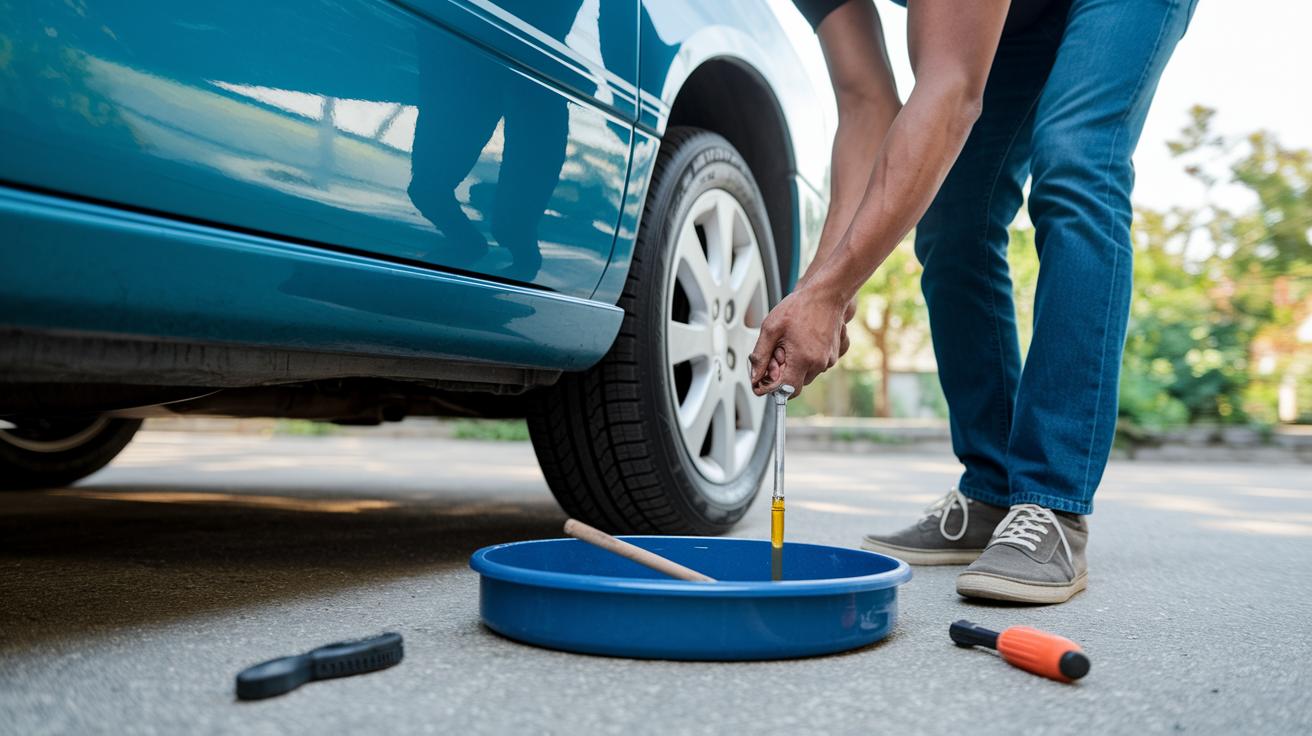
Changing your car's oil is more than just a check-box on your maintenance list, it can really save you money if you know your options. When you tackle an oil change on your own, you might spend around $25–$50 for conventional oil or $40–$70 for full-synthetic. But if you take your car to a shop, expect to pay closer to $30–$70 for a conventional change and $70–$100 or more for synthetic oil. These prices can vary a bit depending on where you live, the type of filters used, or even special deals that might drop the cost by 10–20%.
| Oil Type | DIY Cost | Professional Cost |
|---|---|---|
| Conventional | $25–$50 | $30–$70 |
| Full-Synthetic | $40–$70 | $70–$100+ |
Looking at these figures can help you decide the best move. Some car owners like the hands-on approach of doing it themselves to save some cash and stay in control. Others prefer the ease and convenience of a service center, knowing they’re in good hands. Keeping an eye on local promotions might even help you nab a nice discount. I remember a buddy who said switching to DIY saved him a bundle, and his engine’s still purring smoothly. In truth, being aware of these numbers makes it easier to keep your engine happy without breaking the bank.
Finding the Right Service for Your Car Oil Change
Finding a good spot for an oil change can feel a bit overwhelming because there are so many choices out there. You might come across drive-through lube centers, mobile services that come straight to your home, or appointment-based shops known for their fast and friendly service. Some even throw in a safety check with your oil change, giving your car an all-round care package. Many mobile services wrap up in about 30 to 45 minutes, which is great when you need to get back on the road quickly.
When you're picking a service, look out for a few key things that can really set one place apart. Check for a solid reputation through customer reviews and local feedback. Make sure the technicians are certified, so you know your car's in good hands. It also helps if the service offers mobile options for that extra bit of convenience. Most importantly, the shop should use the correct oil and filter as recommended by your car’s maker, and if they bundle in a safety check, it’s a nice bonus for your car’s overall well-being.
Disposing Used Oil After a Car Oil Change: Eco-Friendly Practices
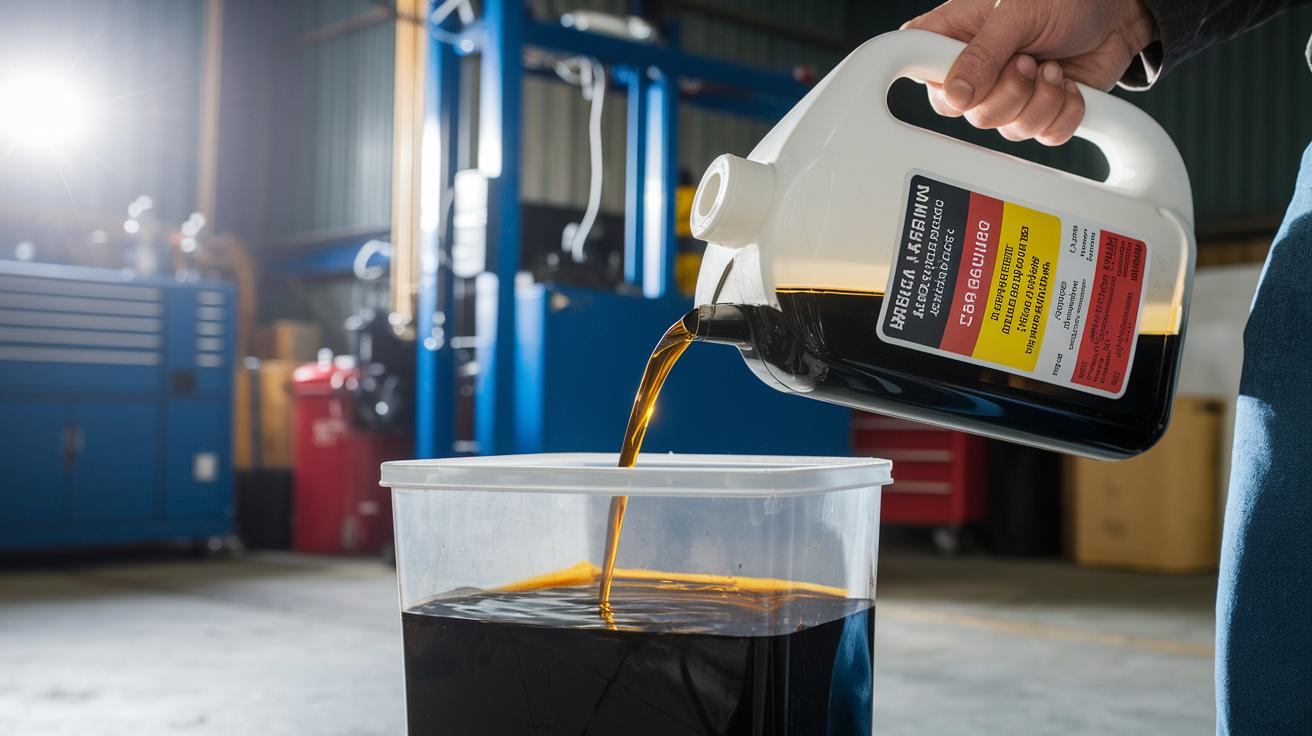
When you finish an oil change, it’s important to deal with the used oil the right way. Instead of dumping it down a drain, on the ground, or in your regular trash, keep it in a sealable, leak-proof container. This keeps spills in check and protects our water and soil.
Many auto parts stores and local recycling centers will take your used oil for free. This simple step helps stop harmful chemicals from mixing into our waterways. Plus, recycling the oil supports green programs that help both our community and nature.
- Pour the used oil into a container that’s sealed and won’t leak.
- Take the container to a trusted auto parts store or your local recycling center.
- Never pour oil in drains, onto the soil, or mix it with regular trash.
- Follow any local recycling rules to make sure the oil is handled safely.
Tips to Extend Engine Life After a Car Oil Change
After you change your oil, run your engine for about a minute. This simple step helps the fresh oil cover every part, ensuring the engine stays well-lubricated and runs smoother. It's like giving your engine a quick warm-up that reduces wear on its key parts.
Regular upkeep is just as important as that oil change. Check the dipstick each month and add oil if needed. Letting your engine gradually warm up on cold days reduces stress on its inner workings. Ever notice how a few small habits can really extend your engine’s life? They work together to keep your powertrain in tip-top shape.
Make sure you use the oil grade your car’s maker recommends for your climate and driving style. These habits are simple but effective in keeping your vehicle performing well over the long haul. Treat your engine like you would a friend, handle it with care and it will give you reliable power and fewer headaches down the road.
Final Words
In the action, we broke down each step from gathering tools to safe disposal. We walked through the do-it-yourself process, choosing the right oil and filter, and planning change intervals. We even compared costs and highlighted how to select a service center if needed.
This guide wraps up how a proper car oil change keeps your engine happy. Follow these tips, and you'll enjoy smooth rides and a boosted engine life. Keep rolling with confidence!
FAQ
Where can I find a car oil change service near me?
Searching locally brings you options like Walmart, Jiffy Lube, Take 5, and Valvoline. These outlets offer quick, routine oil changes, often with drive-through or appointment services.
What are typical car oil change prices?
Oil change costs vary by oil type and shop. DIY changes can cost around $25–$70, while professional services often range from $30–$100+. Coupons and specials may further cut expenses.
Are there any deals available at Valvoline?
Valvoline promotions offer attractive discounts, including $20 coupons and offers like $25 off or 50% off. These deals help make their oil change services more affordable for car owners.
How often should car engine oil be changed?
Engine oil should be changed every 3,000–5,000 miles for older vehicles and 5,000–7,500 miles for modern engines. Consult your owner’s manual since some full-synthetic formulations last even longer.
Is $100 a normal cost for an oil change service?
A $100 oil change can be normal for full-synthetic oil services in some areas. Service prices depend on the oil type, vehicle requirements, and regional labor rates, which sometimes make higher pricing standard.