
Ever wonder if car care will eat up your whole day? Think again. This quick guide tells you just how long common car services usually take. From a simple oil change or tire rotation to a more involved job like swapping brake pads, we've got you covered.
Some fixes are so quick you could even squeeze them into your lunch break. Knowing these time frames helps you plan your day without the stress of unexpected delays. Ready to keep your day moving smoothly while your car gets the attention it needs?
Common Car Maintenance Tasks and Their Average Durations
Knowing how long each service takes helps you plan your day better. It makes booking routine work a breeze, whether you're squeezing in an oil change during lunch or planning a longer repair when you can be without your car.
This information is handy when it comes to managing your time. For example, if a tire rotation only takes a short break, you can fit it into a busy schedule. And if it's a more involved job like brake pad replacement, you can plan for it during downtime when your car's not needed.
| Service Task | Average Duration |
|---|---|
| Oil Change | 30 minutes to 1 hour |
| Tire Rotation | 15 to 45 minutes |
| Air Filter Replacement | 15 to 30 minutes |
| Brake Pad Replacement | 1 to 2 hours |
| Transmission Fluid Change | 45 minutes to 1 hour |
| Coolant Flush | 1 to 1.5 hours |
| Timing Belt Replacement | Several hours |
| Engine Diagnostic Test | 60 to 90 minutes (up to 3 hours if needed) |
Having these estimates in mind can help cut down on stress and keep your day running smoothly while your car gets the service it needs.
Variables Influencing Car Maintenance Timing
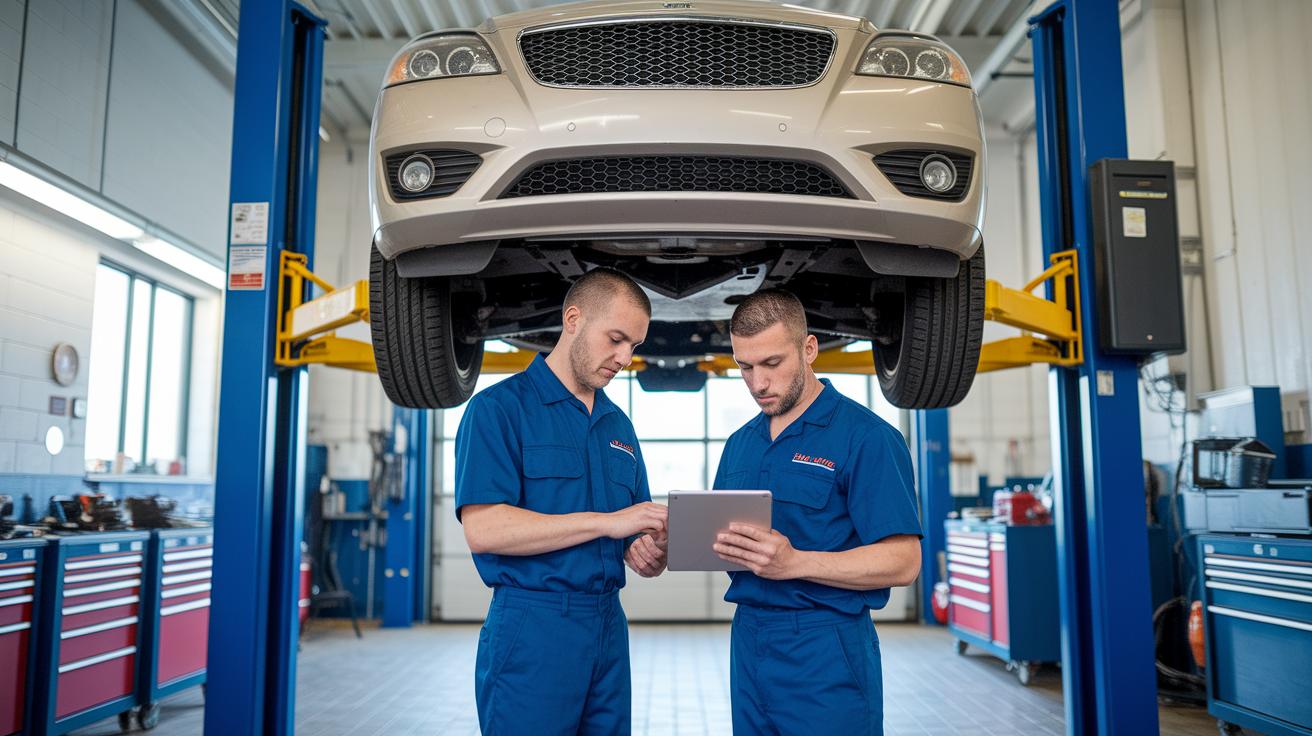
Car maintenance time can really depend on what’s going on. Sometimes, even if two repairs look the same on paper, one might take longer because the shop has a long line of vehicles or the job involves several steps. When the task touches on multiple systems or needs detailed diagnostics, even a simple fix might run over the expected time, especially when the shop is slammed with back-to-back appointments.
The technician’s skill matters a lot too. A less experienced mechanic might take 20% to 30% longer on basic tasks compared to someone who’s done the same make and model many times. And if the repair calls for specific parts that aren’t on hand, you might end up waiting a few extra days for delivery, which can really stretch out the overall service time.
Sometimes, what starts as a quick check turns into something more detailed if unexpected issues pop up. A routine inspection might reveal hidden problems, making the repair process longer than planned. So even two services that look identical can end up taking very different amounts of time because of unforeseen challenges.
Dealership vs Independent Shop Maintenance Timeframes
Service location can really shape how long your car maintenance takes. The shop you pick affects wait times, speed, and even the number of checks your car gets. This matters whether you need a quick fix or a full maintenance check.
Dealership Service Timing
When you go to a dealership, they usually bundle extra inspections with common services. For example, an oil change might take 45 to 60 minutes because they run extra checks like tire pressure and fluid levels. It may take a little longer, but you get a solid look at your car’s overall health. Appointments are booked ahead, and sometimes even express lanes for oil and filter changes means you might still wait a bit.
Independent Shop Timing
Independent garages tend to work faster on routine jobs. A tire rotation, for instance, can be done in 15 to 30 minutes because these shops focus on the basics and often skip some extra checks. You’re likely back on the road quicker, though you might miss out on that extra multipoint check. Each option has its trade-offs, so weigh your schedule and needs before deciding. For more info on service options, check out Car Repair Guides.
Planning and Scheduling Your Car Maintenance Appointment

Booking your car maintenance during off-peak times, like mid-week mornings, can really cut your wait time. It's like hitting the jackpot when fewer people are around, so you’re not stuck in long lines that could add an extra 60 minutes if you go on a busy weekend.
Double-check that the parts you need are in stock when you book. This tip helps avoid delays that might turn a quick fix into a whole multi-day hassle. And if your shop has an express lane for simple jobs like oil and filter changes, grab that chance to speed things up even more.
Try syncing your appointment with your personal schedule. Being flexible means you can set aside a little extra time just in case extra checks pop up. That way, even if the service center gets busy or something unexpected happens, you're ready. Taking advantage of express services and aiming for quieter times really helps keep your maintenance visit smooth and efficient.
Routine Maintenance vs Major Repairs: Time Comparison
Routine maintenance is like giving your car a quick checkup. It covers basics such as oil changes, tire rotations, and air filter swaps. These small jobs are designed to keep your ride running smoothly and fit nicely into your busy day.
Routine upkeep work usually takes between 30 and 90 minutes. For example, a simple oil change or tire rotation might only take that long. And if you decide to get a couple of things done at once, say, an oil change along with a tire rotation, the extra jobs might add another 30 to 60 minutes. This steady timing helps you plan your day easily without major interruptions.
On the other hand, major repairs are a whole different ball game. Big jobs like replacing a timing belt or overhauling a transmission can take several hours, sometimes even a full day. If the mechanic finds other hidden issues or needs special parts, the process might drag on further. These more complicated repairs can sometimes stretch into multiple days. Knowing the differences between routine work and major fixes can really help you set the right expectations when your car needs a little extra care.
Final Words
In the action, we broke down everything from oil changes to major repairs, showing how different tasks demand varying timeframes. We also compared dealership and independent shop timings and offered tips to plan your appointments effectively. Knowing how long does car maintenance take helps you set realistic expectations and schedule your visit with confidence. Enjoy the drive with a bit more insight into your car’s care, knowing that a little planning leads to smoother rides ahead.