
Ever thought a car check before a trip is a hassle? Think again. A few simple steps now can save you a lot of trouble later. Check your fluids, take a quick look at your tires and brakes. A little care goes a long way to keep you safe on the road.
In this post, we share easy tips to help your car run smoothly. That way, you can enjoy a relaxed ride and hit the road without worries.
Pre-Trip Car Maintenance Checklist for Road Trips
Taking a few extra minutes to check your car now can save you big headaches later. A quick maintenance check will keep your family trips smooth and fun.
- Fluid levels – Look at engine oil, coolant, brake fluid, and transmission fluid. These fluids are like your car’s lifeblood.
- Tire condition – Use your owner’s manual to get the right tire pressure, and check the tread with a gauge or even a penny. Keep an eye out for uneven wear.
- Brakes – Check the brake pads, rotors, and fluid. If you hear a grinding noise, a squeak, or feel a spongy pedal, it might be time for a closer look.
- Battery – Test the battery’s charge and inspect the terminals for any corrosion. A weak battery could leave you stranded.
- Belts and hoses – Look for any cracks or fraying on the belts, and check the hoses for leaks or soft spots.
- Suspension – Make sure the shocks are doing their job by checking for extra bouncing or any loose mounts.
- Lights and wipers – Turn on all your lights, headlights, brake lights, and signals. Wipe the blades clean so you can see clearly.
- Exhaust – Check for rust, holes, or parts that hang loosely. Strange noises could be a sign of trouble.
- Undercarriage leaks – Walk around the car and look for fresh oil or fluid leaks.
- Emergency kit check – Make sure your kit has a spare tire, jack, lug wrench, jumper cables, and all the basic tools you might need.
Booking a quick service appointment online lets a professional give everything a proper check. It’s a simple step that saves time and gives you peace of mind for a worry-free trip.
Critical Fluid Checks in Car Maintenance for Road Trip
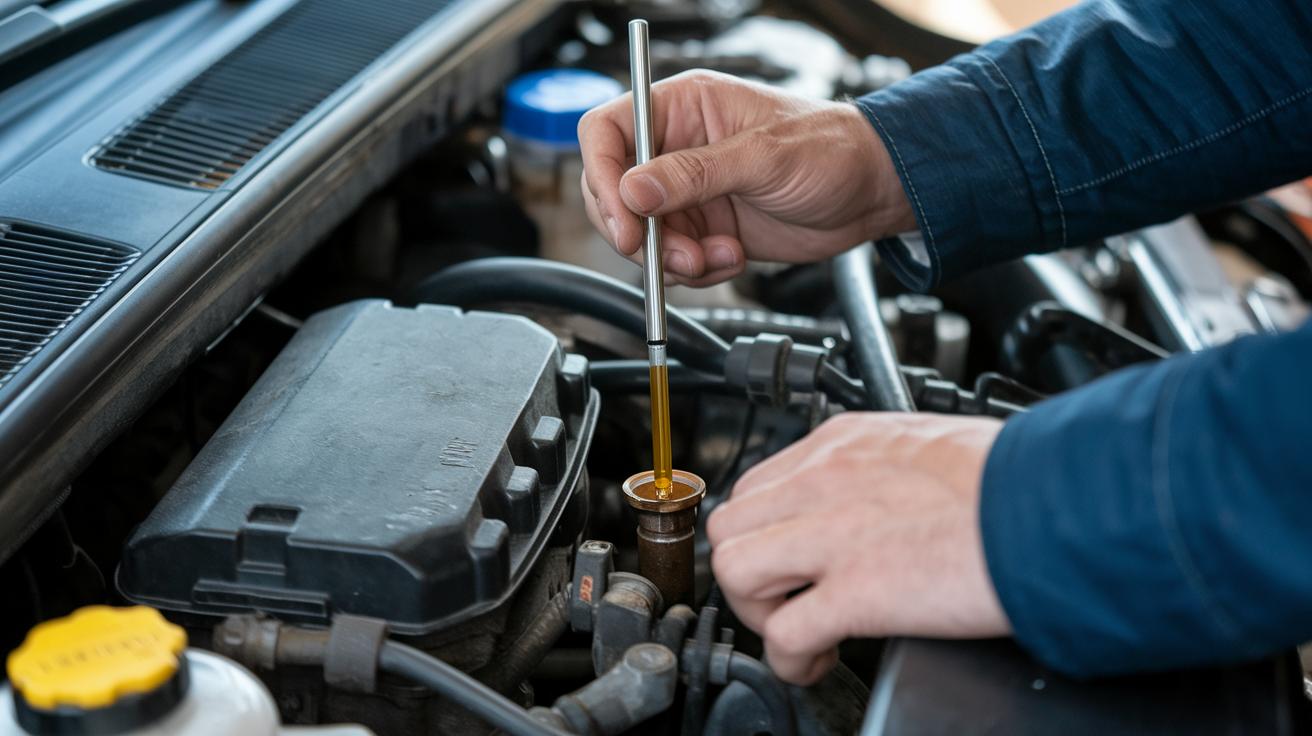
Taking care of your car’s fluids is a must before hitting the open road. Keeping an eye on engine oil, coolant, and brake fluid can really save you from an unexpected breakdown. When the fluids are just right, your engine hums smoothly, your brakes stay sharp, and your transmission shifts without any hiccups. For instance, checking coolant on a cold engine helps confirm it’s filled to the proper line. You can check out more info here: car coolant.
| Fluid Type | Check Procedure | Service Interval |
|---|---|---|
| Engine Oil | Use the dipstick at idle; the level should be between Min and Max | Every 3,000–5,000 miles |
| Coolant | Check on a cold engine to ensure it reaches the fill line | Every 2 years or 30,000 miles |
| Brake Fluid | Top off the reservoir and confirm it has a clear look | Every 2 years |
| Transmission | Check with a dipstick when the fluid is at 100°F | Every 30,000–60,000 miles |
| Power Steering | Inspect and refill up to the marked level | As needed |
Watch out for any leaks during your checks. Even a small drip near a hose, seal, or clamp might signal a bigger problem that needs attention right away.
Tire and Wheel Maintenance for Road Trip Reliability
Your tires are the only parts of your car that touch the road. Keeping them in good shape makes your journey safer and more reliable. Check the psi often using the guidance on your car’s door placard or in the owner's manual.
Checking Tire Pressure
Start by checking your tire pressure when the tires are cold. Remove the cap from the valve, press a reliable gauge onto the valve stem, and take the psi reading. If your tires read low, add air until you hit the proper level. If they're a bit too high, let some air out slowly. This simple tip helps prevent uneven wear and even boosts fuel efficiency.
Evaluating Tread Depth and Wear
Next, look at your tire treads. You can use a tread gauge or do the old penny test. Insert a penny with Lincoln’s head upside down into the tread groove. If you see the top of Lincoln’s head, the tread is too shallow and needs attention. Also, check for signs like feathering or cupping, which could mean the tires are out of alignment. This check helps ensure your tires grip the road well, especially when it's wet.
Alignment, Balance and Rotation
Keep an eye on your steering. If the car pulls to one side or you feel vibrations, it might be a sign of misalignment or imbalance. It's a good idea to rotate your tires from front to back every 5,000 to 7,000 miles. And don't forget to make sure your spare tire, jack, and tools are all in working order before you set off.
Pack a repair kit with the essentials and practice changing a tire at home. This way, if something unexpected comes up, you'll be ready to handle it and keep your road trip smooth and enjoyable.
Brake and Suspension Maintenance for Road Trip Safety
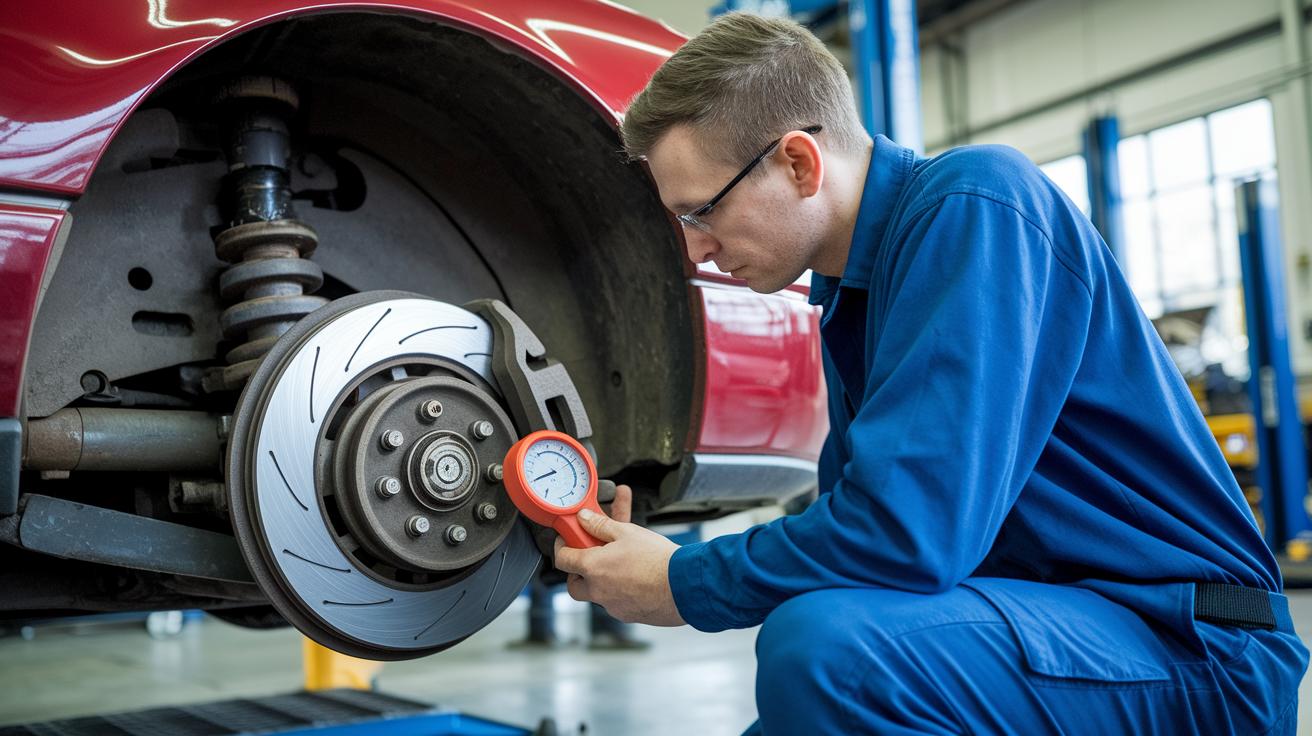
Keeping your brakes and suspension in tip-top shape is key to a safe road trip. Your brake system is the most important safety feature in your car. If you hear grinding, feel a soft pedal, or notice vibrations in the steering wheel, your vehicle is trying to tell you something’s off. These signs mean your brakes and suspension might need a quick check to keep you and your passengers safe.
Checking Brake Pads, Rotors, and Fluid
Grab a pad thickness gauge and check your brake pads. If they measure less than 3 mm, it's time to replace them. Take a close look at your rotors for any cracks, scoring, or uneven wear that could weaken your stopping power. And don’t forget the brake fluid, it should be clear and steady in color. If it looks different, it might be contaminated or broken down, which can affect how well your brakes work.
Inspecting Shocks, Struts, and Suspension
Look over your shocks or struts for any leaks or obvious damage. Also, check the mounts and bushings because worn-out parts can leave you with a bumpy ride and less control. Try a short drive on a rough road. If you feel too much bouncing or swaying, your suspension might need some repair. Before you hit the road for a long trip, have a professional tighten any loose parts.
Electrical and Ignition Checks in Car Maintenance for Road Trip
First, give your battery, alternator, and spark plugs a check to be sure your car’s electrical system is ready for the open road. Grab a voltmeter and test the battery, if it reads around 12.6 V, you’re in good shape. Clean off any corrosion from the terminals so electricity can flow freely. Also, take a look at your alternator; a weak alternator can leave you hanging. When you inspect the spark plugs, check how worn the electrodes are and measure the gap, it should be between 0.028" and 0.060" for things to run smoothly. This way, your engine fires properly without any unexpected stops.
Next, make sure your lights and wipers are working like they should. Turn on the headlights, brake lights, and turn signals, then walk around your car to see that everything lights up correctly. Look at the wiper blades too, they should clear the windshield without any streaks. If they’re leaving marks or not cleaning well, it’s time for a swap. And if that check-engine light is still on, use an OBD-II scan to clear any codes or uncover a more serious issue. By doing these basic checks, you can relax knowing that your car’s electrical systems will keep you safe and steady on your road trip.
Belt, Hose and Undercarriage Inspection for Road Trip Durability
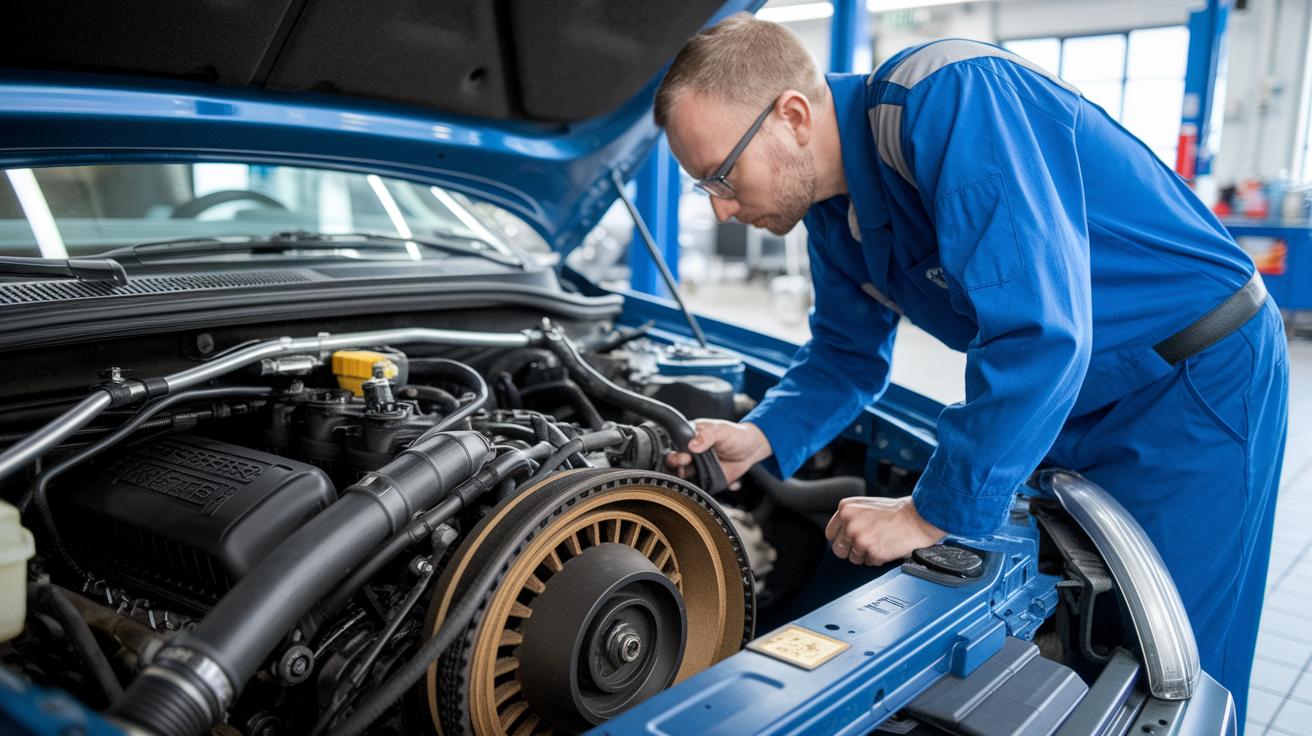
Before you hit the road, update your Pre-Trip Car Maintenance Checklist. For belts and hoses, give your serpentine belt a good look, check for any cracks, glazing, or fraying. Also, inspect the hoses at the clamps and bends for soft spots, bulges, or leaks. And remember, timing belts generally need replacing between 60,000 and 100,000 miles. For example, if you notice glazing, it might be a sign it's time to swap it out.
During your walk-around, take a close look under your car. Watch for fresh drips or oil patches, particularly under the engine, transmission, or differential areas. If you spot a new leak, taking care of it before you leave is a smart move.
Professional Diagnostic and Maintenance Planning for Road Trip
Before heading out, it's a good idea to run diagnostic scans to catch any hidden issues early. A quick computer check by a skilled technician can find problems with parts like the engine computer, the braking system, or even the transmission. This short inspection helps you feel sure that even tiny issues get sorted out before your big trip.
Booking an appointment online can get you a same-day vehicle check. Many budget-friendly shops also offer free multi-point inspections. A detailed 20-point tune-up often covers spark plugs, filters, fluids, and belt tension, making sure your car is set for the long haul. Taking these steps not only makes your car more reliable, it can also help it last longer.
| Step | Action |
|---|---|
| 1 | Book an online appointment with a certified shop |
| 2 | Request a computerized diagnostic scan |
| 3 | Compare service-special coupons or budget-friendly centers |
| 4 | Confirm same-day multi-point inspection availability |
| 5 | Verify tune-up details like filters, spark plugs, and belt tension |
When you plan your maintenance, it’s smart to talk with a mechanic who can explain any faults the scan finds. And don’t be shy to ask for printed service records so you leave with a clear report of the work done.
Emergency Preparedness and Roadside Tools for Car Maintenance on Road Trip
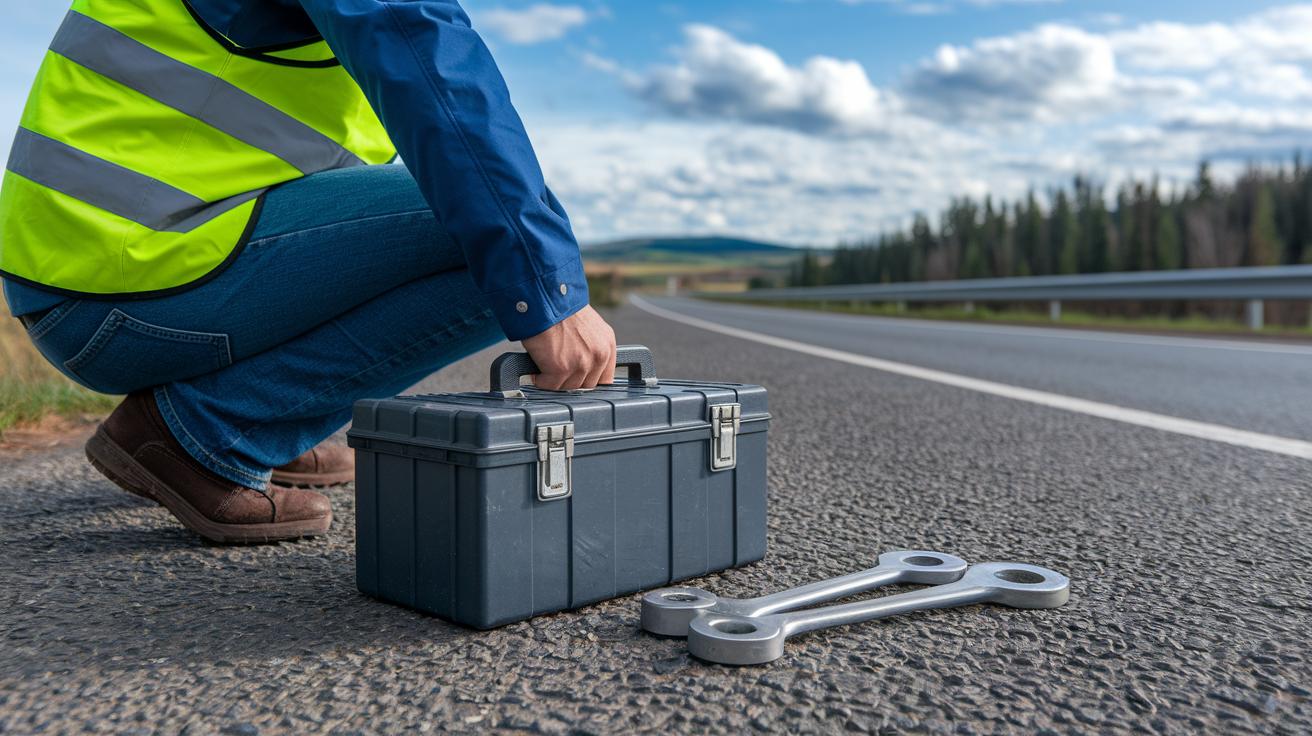
Ever find yourself stuck in the middle of nowhere? It can really spoil your day. That’s why it’s smart to pack a solid roadside toolbox. Imagine having your trusty jack, lug wrench, tire patch kit, jumper cables, and a few simple hand tools all ready to go. You can even check out some car repair guides if you want more ideas on what to bring. Don’t forget reflective warning triangles and a high-visibility vest so you stay safe while you work.
If you ever get a flat tire, here’s a simple way to handle it. First, put some wheel chocks behind your wheels and clear an area for work. Then, loosen the lug nuts slowly with your lug wrench. Next, raise your car with a jack and carefully take off the bad tire. If you need to patch a small hole, use your tire patch kit and pump it to the proper pressure. Finally, put on your spare tire and tighten the lug nuts until they feel secure.
It never hurts to have a roadside assistance plan in your back pocket. With help available for towing, lockouts, and fuel delivery, you’ll always have a backup when your road trip takes an unexpected turn.
Final Words
In the action, this post covered a solid checklist for making your road trip smooth. We went over everything from fluid checks and tire tests to brake, suspension, and electrical examinations. We even looked at belts, hoses, and professional diagnostics to keep your ride in top shape. All these steps pave the way for safe, worry-free travels. Keep these tips in mind for car maintenance for road trip, and you’ll be set to hit the road with confidence. Enjoy the drive and stay safe out there!
FAQ
What car maintenance tips are recommended for road trips on Reddit?
Popular posts on Reddit highlight checking fluids, tire pressure, brakes, battery, belts, and hoses. They also advise packing an emergency kit and scheduling a pre-trip inspection for peace of mind.
How much does car maintenance for a road trip cost?
The cost for road trip car maintenance varies by services needed, parts replaced, and local labor rates. Basic checks and minor fixes usually cost less than extensive repairs.
What is the best car maintenance checklist for a road trip?
The best checklist covers fluid levels, tire condition, brakes, battery, belts and hoses, suspension, lights, exhaust, undercarriage leaks, and an emergency kit to keep you safe on the road.
Where can I find a free road trip inspection or car maintenance checklist PDF near me?
Many local service centers offer free multi-point inspections and printable checklists. Searching online for “free road trip car check” often provides links to downloadable maintenance PDFs.
What does a complete road trip car inspection include?
A complete inspection checks fluid levels, tires, brakes, battery, belts and hoses, suspension, lights, exhaust, undercarriage leaks, and ensures your emergency kit is ready for any unexpected issues.
What essential maintenance should my car have before a road trip?
Essential maintenance includes checking fluid levels, tire pressure and tread, brake condition, battery and belts, suspension, lights, undercarriage, and ensuring your emergency kit is stocked to avoid any breakdowns.
How does the 30-60-90 rule apply to car maintenance?
The 30-60-90 rule is a guideline for regular checks; for example, you might inspect basic systems every 30 days and perform more in-depth service checks or maintenance every 60 to 90 days when your car sits or is driven routinely.
How long can a car sit without being driven?
A car can sit for about two weeks to a month without problems. However, longer periods risk battery drain and fluid degradation, so occasional drives or periodic start-ups are recommended.