
Ever felt that sting when your car repairs leave your wallet a bit empty? Many drivers fork out about $1,200 a year on upkeep. But a few smart choices can really cut that bill without skimping on quality.
Let's chat about some simple, budget-friendly maintenance tasks like oil changes and brake checks. These little tips can keep your car humming along nicely while saving you cash. You might even find that a few small changes make a big difference, turning heavy repair costs into a more manageable routine.
So why not try these steps and see your savings grow? It's all about working smarter and keeping your ride, and your budget, in top shape.
Car Maintenance Cost Breakdown for Budget-Friendly Vehicle Upkeep
Most drivers in the U.S. spend around $1,200 each year on keeping their car in shape. Knowing this can really help you plan ahead so those unexpected repair bills don’t catch you off guard. It also makes it easier to choose services that keep your car’s value steady.
Staying on top of your car’s needs is a smart way to dodge big expenses later. Regular check-ups not only keep your ride running smooth but also stop small issues from turning into costly problems.
Here are some typical services:
- Oil change (around $40 to $70 every 5,000–7,500 miles)
- Tire rotation (about $20 to $50 every 6,000–8,000 miles)
- Brake pad replacement (roughly $150 to $300 per axle when needed)
- Coolant flush (approximately $100 every 2 years)
- Battery replacement (usually $100 to $200 every 3–5 years)
- Wheel alignment (around $75 to $100 each year)
| Service | Interval | Average Cost |
|---|---|---|
| Oil Change | 5,000–7,500 mi | $40–$70 |
| Tire Rotation | 6,000–8,000 mi | $20–$50 |
| Brake Pad Replacement | As Needed | $150–$300 |
| Coolant Flush | Every 2 yrs | $100 |
If you’re keen to dig deeper into how regular maintenance can cut your costs over time, check out our detailed guide on the car oil change. It compares labor rates and lays out some smart saving strategies. Enjoy keeping your car happy and healthy!
cheapest car maintenance: Save Money Now
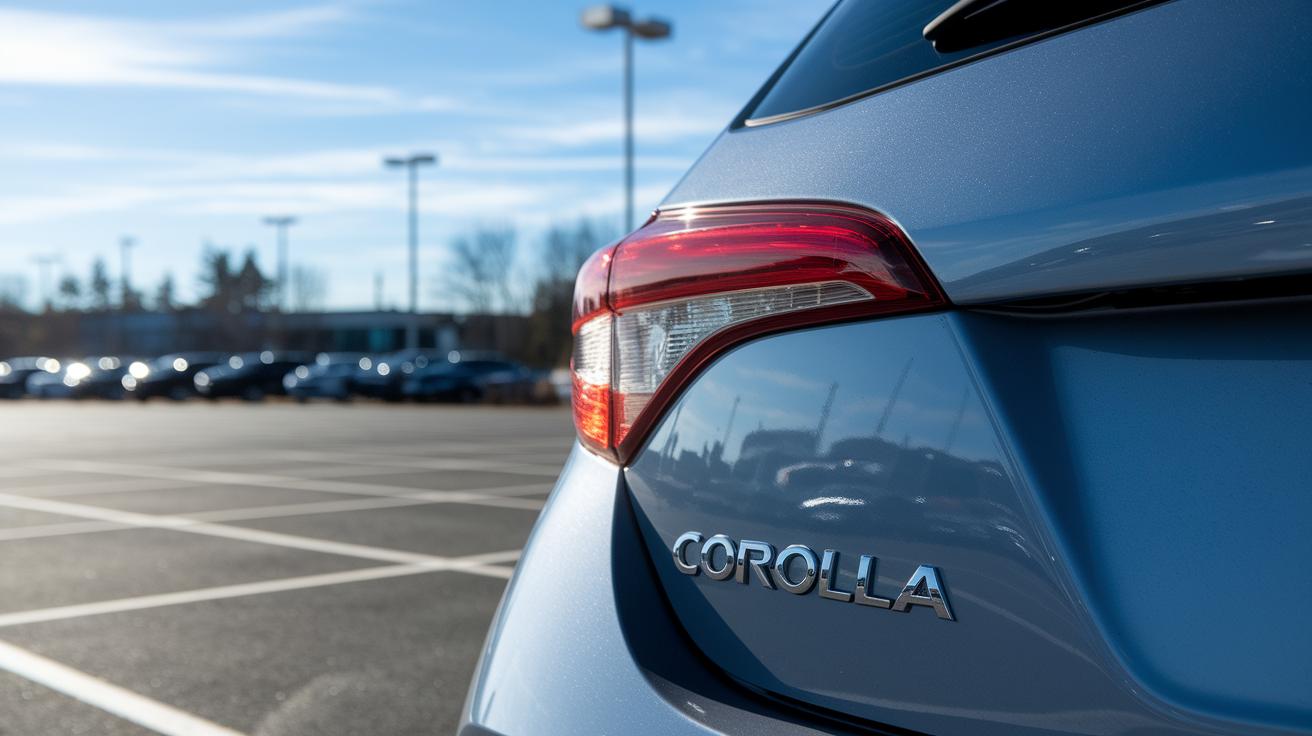
Picking a car that’s low on repair costs can really save you money both now and in the future. When you choose a model known for affordable upkeep, you're not just cutting costs at the time of buying, you’re setting yourself up to spend less on repairs over the years. This smart choice really matters when repair bills and reliability get taken into account.
- Toyota Corolla – Over 10 years, expect about $4,008 in maintenance costs, with a RepairPal rating of 4.5 out of 5.
- Toyota Prius – Also around $4,008 in 10-year maintenance, plus it saves you money on fuel with its hybrid design.
- Toyota Yaris – Costs are roughly $4,027 over a decade, and it scores high on subcompact reliability on RepairPal.
- Honda Fit – This one comes in at about $4,915 over 10 years, and it’s highly rated among subcompact cars.
- Honda Civic – CarEdge lists it as the tenth least expensive for long-term upkeep, celebrated for its durability.
- Mitsubishi Mirage – Its simple design helps keep maintenance costs low.
- Nissan Sentra – Around $5,441 in maintenance over 10 years, with a RepairPal reliability score of 4 out of 5.
- Mazda 3 – Repairs cost roughly $433 per year. CarEdge finds it cost-efficient, and RepairPal rates it as a reliable compact.
And if you’re thinking about hybrids or electrics, they often need fewer routine services. That could mean even more savings in the long run.
DIY Car Maintenance and Frugal At-Home Vehicle Tactics
Ever thought about fixing up your car on your own? It not only saves you cash but also gets you up close and personal with your ride. When you work on your vehicle yourself, you build confidence and learn to spot tiny issues before they turn into big headaches. And if you're driving an electric car, skip the oil changes, DIY just gets easier.
Safety always comes first. Use the right tools, stick to clear steps, and check things like your oil level often to steer clear of mishaps. Even simple tasks like adding fluids or inspecting belts can help you avoid costly repairs later. It’s a smart move to cut out the extra fees from repair shops.
Below is a quick guide on common do-it-yourself tasks:
| Task | Cost | Benefit |
|---|---|---|
| Air filter replacement | $20 | Reduces engine strain and helps avoid shop fees. |
| Windshield wiper change | $15 | Improves safety with clear, unobstructed views. |
| DIY oil change | $40–$70 | Perfect for non-electric cars, even though EV owners skip it. |
| Cabin filter swap | $25 | Keeps your air clean and minimizes maintenance downtime. |
| Fluid top-offs | Minimal | Helps prevent leaks and expensive engine fixes. |
| Belt and hose inspections | Free | Catches early wear and tear before problems grow. |
For more detailed instructions on checking your oil level or setting up a full DIY maintenance schedule, check out your favorite car care guides. It’s all about keeping your car in top shape and your wallet happy.
Finding Reliable Budget Workshops for Car Maintenance Bargains
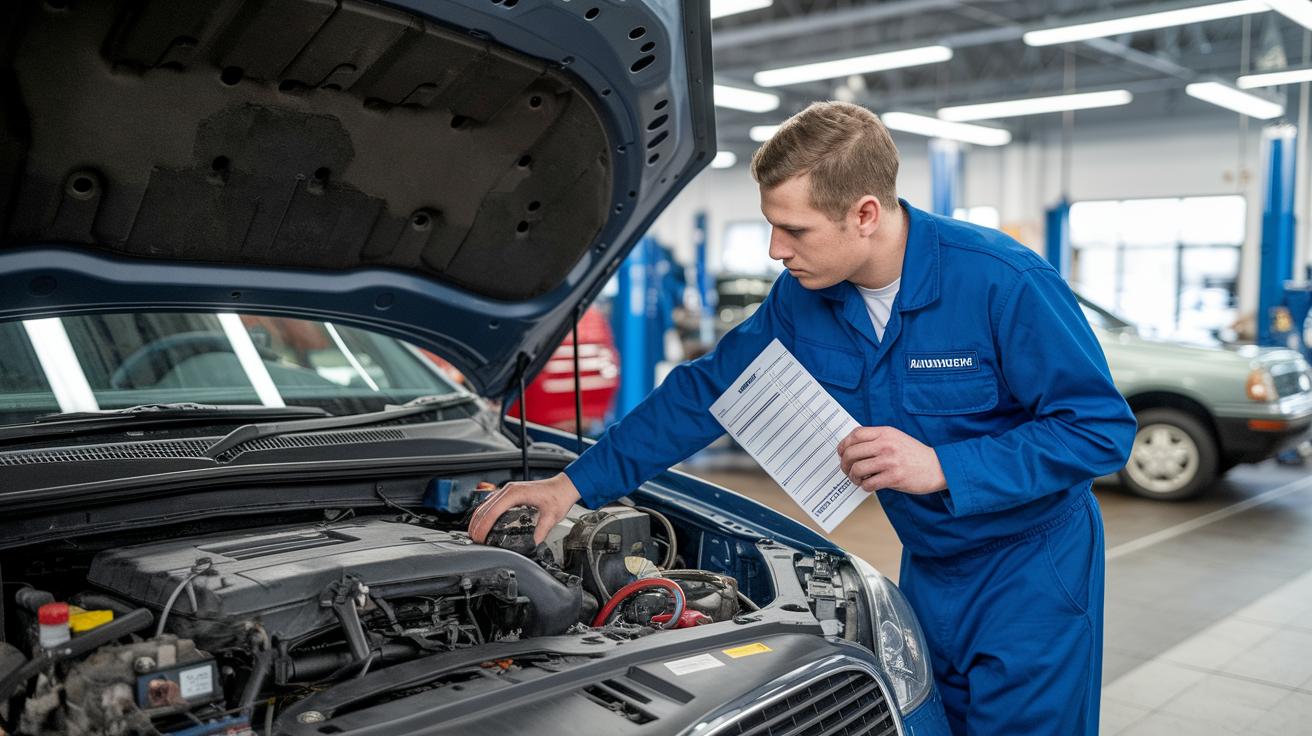
Labor costs can really change depending on where you are. In big cities, you might see repair shops charging 20-30% more than smaller local places. It always pays to shop around. Local repair centers often offer friendlier prices and a more personal touch than large dealerships. For example, Ciocca Automotive in Allentown, PA not only checks every pre-owned car carefully but also handles on-site repairs.
Checking local reviews and car forums can help you find shops that offer fair and trustworthy service. Sites like RepairPal give independent data on how well these shops perform and what prices you can expect. It makes sense to compare a few options and take advantage of any discounts. Sometimes dealerships even give out coupons for oil changes and free multi-point inspections. This way, you avoid surprises and gain the confidence that you’re working with someone who truly cares about quality service without overcharging.
- Compare quotes from several local workshops to spot the best deals.
- Use coupons and promotional offers when available.
- Check reliability ratings on trusted review platforms.
- Ask directly about any current seasonal promos or referral discounts.
- Negotiate labor costs with local service providers to lower your bill.
Listening to what your community has to say, through online forums or word-of-mouth recommendations, can really help you pick a workshop that fits your budget and offers reliable service.
Scheduling and Budgeting for Economical Car Maintenance
When you plan your car’s regular check-ups with a fixed-term maintenance schedule, you spread out repair expenses all year long. This helps you avoid those big, unexpected bills and keeps your spending in check.
Think about it this way: you’re setting aside a little bit each month instead of worrying about a giant bill when something goes wrong. It makes taking care of your car more straightforward and predictable.
Here's a quick look at some common services:
- Oil change: Every 5,000–7,500 miles
- Coolant flush: Every 2 years (around $100)
- Air filter replacement: At 12,000 miles (about $20)
- Spark plug replacement: At 30,000 miles (near $100)
- Tire rotation: Every 6,000–8,000 miles (between $20 and $50)
- Wheel alignment: Once a year (roughly $75–$100)
Using a fixed-term service plan means you can budget easily while keeping your car in great shape. One fellow car lover even mentioned that planning his maintenance for the whole year made his budget predictable and helped keep his car running smoothly.
Many drivers check online forums and use expense-tracking tools to compare service intervals and swap handy advice. It’s a smart way to stay on top of car care while keeping things affordable.
Final Words
In the action, we broke down vehicle upkeep, spotlighting average spends and common service costs while offering simple DIY fixes. We explored how low-maintenance models can cut repair bills and shared tips on finding dependable local workshops. We also mapped out a clear schedule to avoid surprise expenses. All these insights aim to help you maintain your ride with the cheapest car maintenance options available. Keep these ideas in mind, and here’s to a smarter, smoother drive ahead.
FAQ
How can I get cheap car maintenance advice online using forums and calculators?
Cheap car maintenance advice is available on Reddit discussions and online calculators, which help you estimate repair costs and share budget-friendly tips with fellow car fans.
What are some of the cheapest cars to maintain over 10 years?
Cars like the Toyota Corolla, Prius, Yaris, and Honda Fit are known for low repair expenses over 10 years, making them ideal for budget-conscious drivers.
Which low-maintenance car brands and company vehicles are best in the USA?
Low-maintenance brands such as Toyota and Honda stand out. They deliver reliable performance and low repair costs, making even company cars affordable to keep on the road.
How do luxury cars rank in terms of maintenance costs by brand?
Some luxury cars offer more reasonable upkeep than expected, but they can still cost more than mainstream models. It’s smart to compare detailed maintenance data for each brand.
What does the 30-60-90 rule for cars refer to?
The 30-60-90 rule for cars is a basic guideline for performing regular checks—like fluid levels and tire pressure—to catch potential issues early and keep your car running smoothly.
Which car is considered the cheapest and most low-maintenance overall?
Models like the Toyota Corolla and Honda Civic are often seen as the cheapest and most low-maintenance, thanks to their solid reliability and low repair expenses.
How do manufacturers like Toyota, Honda, Tesla, Subaru, Volkswagen, and Kia compare on maintenance costs?
Toyota and Honda are well-known for low upkeep. Tesla benefits from fewer oil-related issues, while Subaru, Volkswagen, and Kia offer competitive maintenance costs that vary by model and use.