
Ever wonder if your hybrid car really needs a bit more care? A hybrid car mixes a gasoline engine with a smart electric motor. That means you save fuel and can expect it to last longer if you keep up with a few extra checks.
Simple things like checking your tire pressure or giving special attention to the electric parts can make a big difference. Stick around to learn how these easy maintenance tips can keep your hybrid car running smoothly on every road.
Fundamentals of Hybrid Vehicle Maintenance
Hybrid vehicles mix a gasoline engine with an electric motor so they can use less fuel during light driving. This clever design means your car needs both routine upkeep and a few extra checks. Start with the basics: keep an eye on your tire pressure, top up the washer fluid, and change out light bulbs, air filters, and tires when needed. These simple tasks are just like what you’d do for any car, you can even check out guides on how to maintain a car or car maintenance tips for beginners.
Even though hybrids follow standard care, they often need fewer oil changes and enjoy longer-lasting brake pads because of regenerative braking, a system that recharges the battery while slowing down, which makes your brakes last longer. Following your owner’s manual for oil, fluids, and other parts will help keep your hybrid running smoothly.
Think about checking your tire pressure like giving your car a fresh breath. It’s the little things that count; for example, forgetting to refill washer fluid on a rainy day can really hurt your visibility.
| Task | Frequency |
|---|---|
| Tire Pressure Check | Monthly |
| Washer Fluid Refill | As needed |
| Light Bulb/Air Filter Replacement | Per manual |
Regular check-ups and preventive care mean you’re not just looking after the usual parts but also paying extra attention to the special electric bits of your hybrid.
Scheduled Hybrid Car Maintenance Intervals
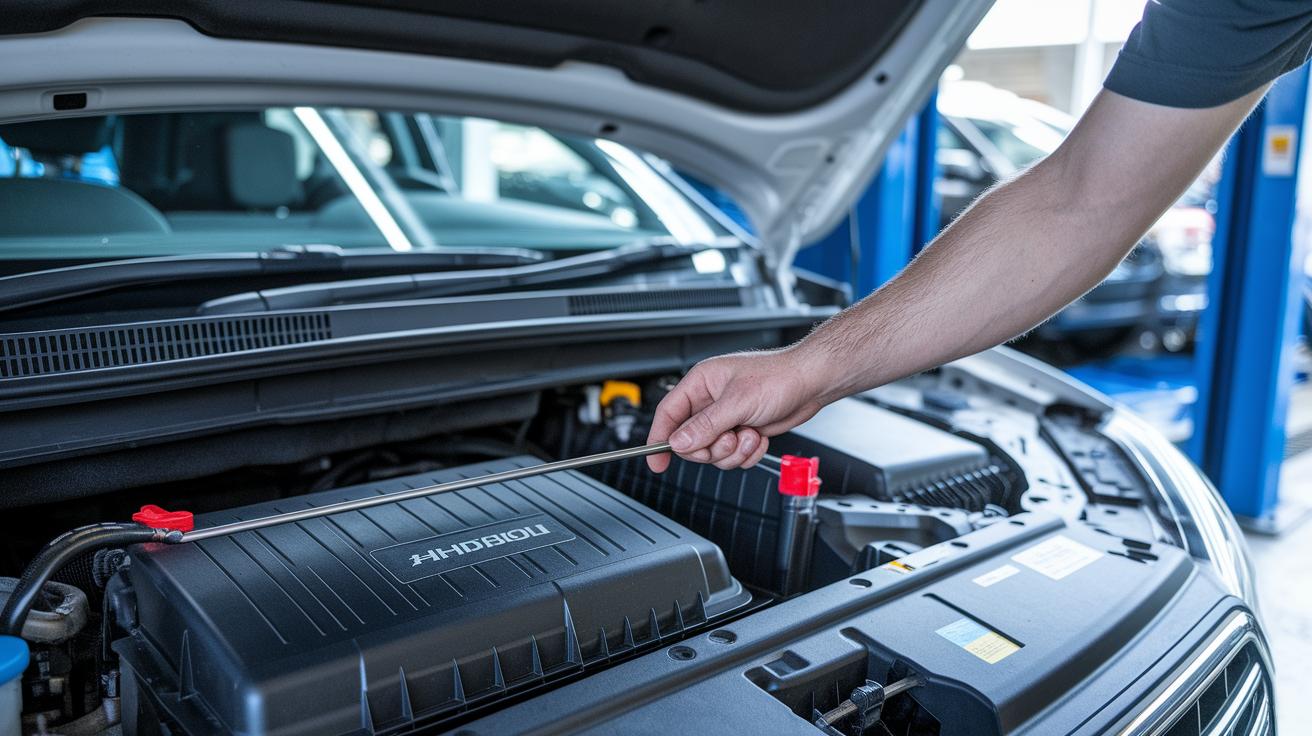
Taking care of your hybrid is all about sticking to the service plan the maker suggests. For example, if you’re using regular oil, you’ll likely want an oil change every 3,000 miles. But if you swap to synthetic oil in one of the newer hybrid engines, you might get away with changing it anywhere between 5,000 to 10,000 miles depending on how you drive.
Don’t forget about your transmission fluid. A change every 50,000 miles helps keep things clean and prevents extra strain on the electric motor. And while you’re at it, make sure the brake fluid gets flushed every couple of years, or as your manual says. This small step stops corrosion and keeps the regenerative braking system running nicely.
Also, keep an eye on your battery system. Checking it every 15,000 to 20,000 miles can catch any issues early on. Even though hybrid batteries are built to last around 100,000 miles or eight years, a quick inspection now and then goes a long way in keeping everything purring along smoothly.
| Maintenance Task | Interval |
|---|---|
| Oil Change | Every 3,000 miles (regular) or up to 10,000 miles (synthetic) |
| Transmission Fluid Change | Every 50,000 miles |
| Brake Fluid Flush | Every 2 years or per owner’s manual |
| Battery System Check | Every 15,000–20,000 miles |
Sticking to these service intervals is like giving your car a regular check-up at your trusted local garage. It helps avoid those expensive repairs down the line and keeps every part, from the powertrain to the battery, running as it should. So, keep an eye on those mileage markers and enjoy the smooth drive!
Hybrid Battery Upkeep and Replacement Planning
Taking care of your hybrid battery is crucial to keeping your car running smoothly. A typical hybrid battery lasts about 100,000 miles or eight years. Regular check-ups can really help whether you’re planning for a battery replacement or just keeping up with routine care.
Think of checking your battery like you check your fuel gauge. Keeping an eye on the state-of-charge, making sure the cells are balanced, and watching the temperature are all part of good battery care. This way, you can spot any issues early and avoid surprises down the road.
Battery replacement costs can vary a lot, from around $1,000 up to $8,000, depending on your car’s make, model, and age. Many manufacturers offer warranties on hybrid parts for eight to ten years, though the specifics can change. Regular inspections not only protect your wallet but also help your battery perform better for a longer time.
Imagine these check-ups as a quick health exam for your battery. Every cell gets a little attention to make sure it’s working right, which can save you a lot of hassle and money later on.
Essential Fluids and Oil Care in Hybrid Car Maintenance

When you take care of your hybrid, using oil that your maker approves is a must. Regular oil is best changed every 3,000 miles, while synthetic oil can last up to 10,000 miles. Before your car hits high mileage, think of the right oil as a shield protecting your engine.
At each service, give the coolant system a quick check. Look over the hoses and the coolant level, and remember to replace the coolant every five years. This check also covers the inverter coolant, which is a key part of your hybrid’s powertrain. It’s just like making sure your car stays cool, small checks now can stop big issues later.
Also, don’t forget to keep an eye on your brake fluid. Dirty or contaminated brake fluid can mess with regenerative braking, which helps your car recover energy when slowing down. A quick fluid check is as simple and important as checking your tire pressure.
| Maintenance Task | Interval | Notes |
|---|---|---|
| Oil Change | 3,000 miles (conventional) or up to 10,000 miles (synthetic) | Use manufacturer-approved oil |
| Coolant System | Every service visit; replace every 5 years | Includes inverter coolant check |
| Brake Fluid | At each service visit | Quick check for contamination affecting regenerative braking |
Brake and Transmission Service in Hybrid Car Maintenance
When you use regenerative braking, your brake pads might last longer. But sometimes, it hides other issues. It's smart to check regularly for uneven pad wear, sticking calipers, or a pedal that feels spongy. Try pressing and releasing the pedal quickly; if it doesn’t work evenly, it could be a sign to get it inspected.
Hybrid transmission fluid works under tough conditions and can wear out sooner than expected. Listen for a soft whining sound or feel for odd vibrations during acceleration – these might be hints that the fluid is not in top shape. And if the fluid looks dark or smells burnt, you might want to change it early.
Here's a pro tip: Give the brakes a stability test by applying steady pressure to the pedal. If you notice any vibrations or an uneven response, it could mean there’s an issue that standard care might miss.
Regular inspections can save you a lot of trouble. Keep an eye on any small changes in both systems, as they could be early signs of bigger problems.
Cost-Effective Strategies for Hybrid Vehicle Maintenance
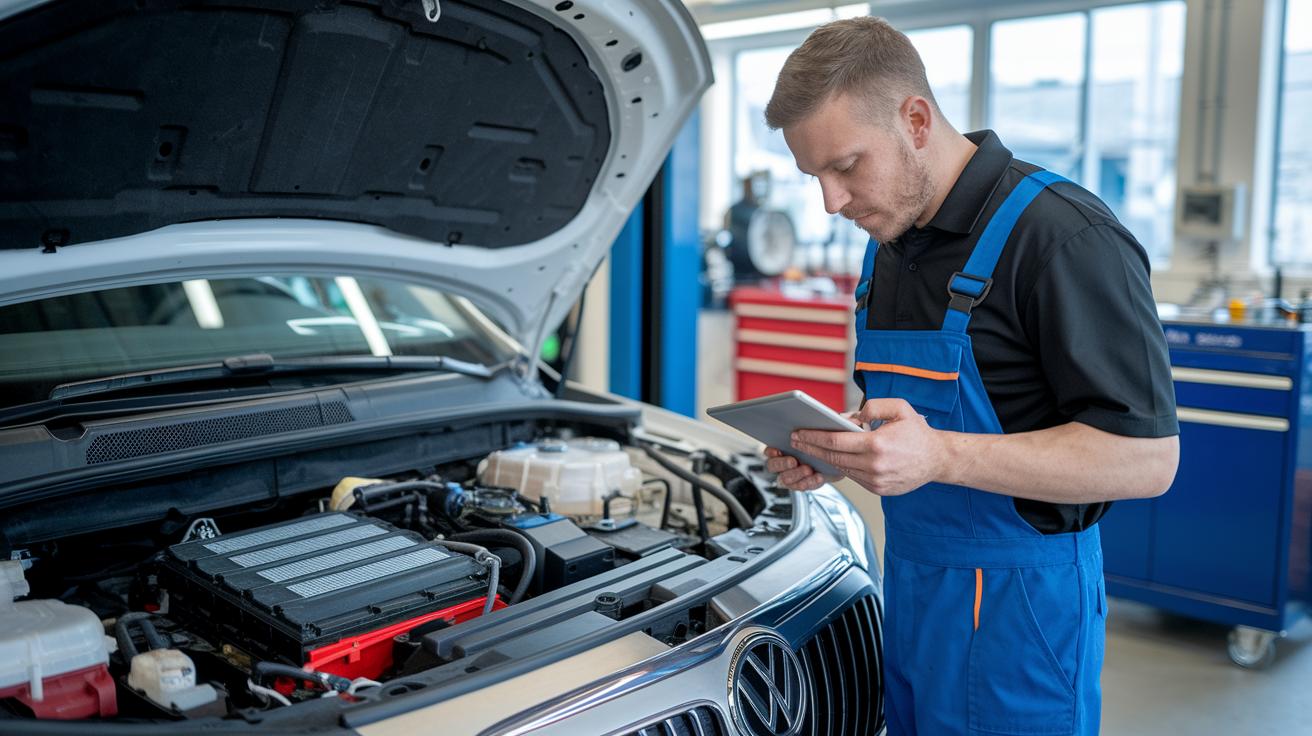
Hybrid vehicles save you money on everyday costs, but staying ahead means planning your maintenance with a little expert advice. Regular, advanced checks can spot early signs of battery issues. One study even found that keeping an eye on battery health reduced repair costs by 25% over several years.
Keeping the high-voltage parts in top condition takes a skilled technician. It helps to use modern diagnostic scanners during your routine checkups every 10,000 to 20,000 miles. This way, you can detect tiny issues early and avoid bigger, expensive fixes later on.
| Action | Benefit |
|---|---|
| Advanced battery diagnostics | Finds early cell imbalances and cuts repair costs |
| Skilled high-voltage inspections | Avoids surprise repairs and extends component life |
Make sure you schedule regular diagnostic checks and have professional high-voltage system inspections. This smart plan pairs well with detailed hybrid battery upkeep and replacement planning, keeping your vehicle running smoothly without rehashing old tips.
Finding Trusted Hybrid Technicians and Service Options
When it comes to keeping your hybrid in top shape, trusting the experts really matters. Trying to tinker with high-voltage parts is risky, so it's best to let a professional handle the battery, inverter, and powertrain work. You want to look for a local service center that boasts valid hybrid certifications like ASE L3. That tells you the technicians truly know their stuff.
Many hybrid owners feel more at ease when they connect with a nearby mechanic who specializes in hybrids. Whether you pick a well-known dealership or a trusted independent shop, going with a pro means your car gets proper care without any safety hazards. It never hurts to check customer reviews and service warranties, either. For example, you might find a service provider that even offers mobile repairs, which is a real bonus if you're juggling a busy schedule.
Some shops manage to keep costs low while still sticking to the strict standards set by the manufacturer. Keep an eye out for glowing testimonials and important certifications; these can give you a good idea of what to expect.
Imagine taking your hybrid to a technician who not only fixes issues but also offers handy tips on keeping your car running smoothly. When treated right, even a complex hybrid system can stay reliable and efficient for the long haul.
Troubleshooting Common Issues in Hybrid Car Maintenance
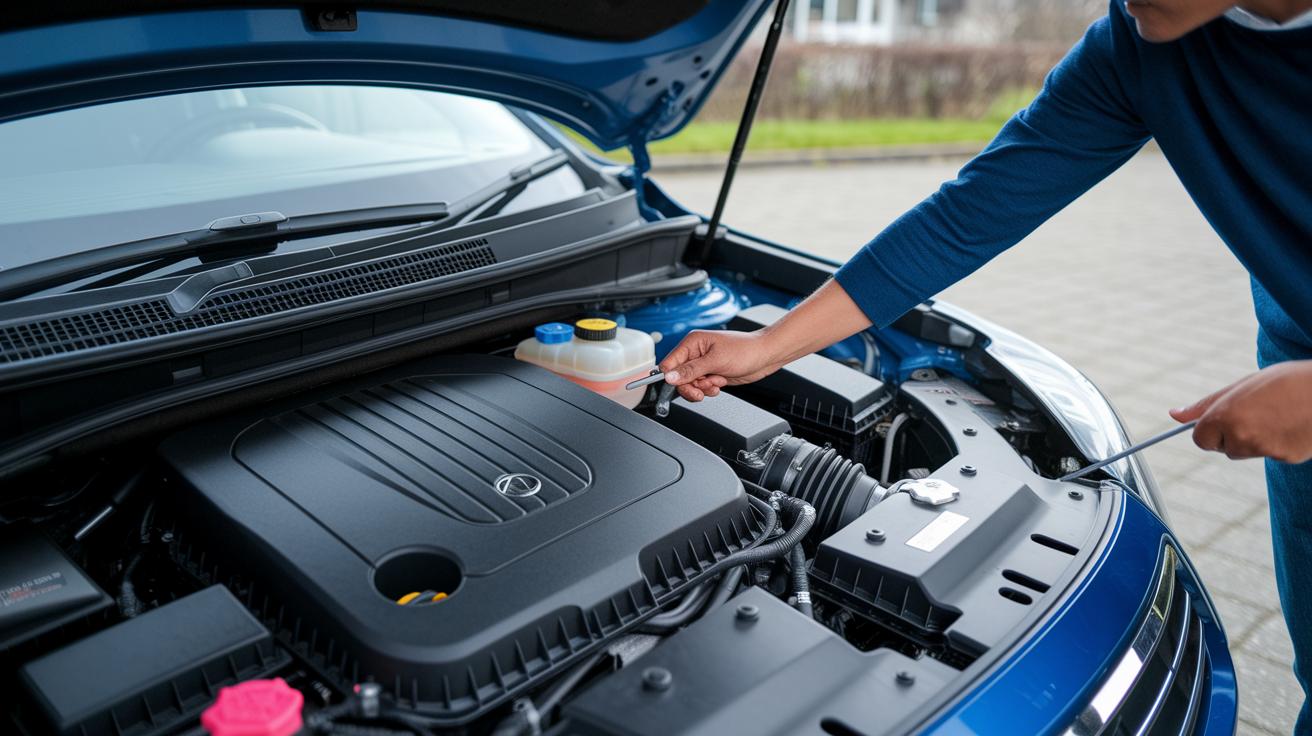
If your hybrid starts flashing warning lights or you notice the electric assist isn't what it used to be, it might be a sign something's off. For instance, a P0A80 code could mean your battery pack is running too high, while a P1AFA error might hint at inverter issues. And if you catch a P0300 misfire code, it usually means there's a spark problem in the engine.
Start with the basics. Check your fluid levels like you'd feel a car’s heartbeat, and make sure your tire pressure and battery charge are just right. Think of it as a quick health check that stops small hiccups from turning into big headaches.
Keep an eye out for signs like weak electric assist or a drop in fuel economy. When these issues mix with warning codes, it’s a cue that a deeper check might be needed. For a more detailed look, use an OBD-II scanner, it acts like a digital detective, pulling up clues just like you’d find in your service manual. And if things still seem off after these DIY steps, it might be time to bring in a professional for a closer look at your hybrid system.
Final Words
In the action, we reviewed hybrid car maintenance basics, from essential routine checks like tire pressure and fluid levels to specific service intervals for oil, brakes, and battery health. Small, essential tasks add up to keep your hybrid running smooth. We also touched on finding skilled technicians and cost-effective strategies while troubleshooting common issues. Keep these tips handy, and you’ll be set to enjoy your vehicle's performance. Happy driving and keep that engine purring!
FAQ
Frequently Asked Questions
How do hybrid car maintenance costs, including Toyota models, compare to regular gas vehicles?
The hybrid car maintenance cost can be similar or lower than traditional vehicles due to fewer oil changes and extended brake life, though battery and specialized repairs may add extra expenses.
What is the recommended maintenance schedule for hybrid cars, including Toyota models?
The maintenance schedule follows the owner’s manual with routine fluid, battery, and brake checks every 15,000–20,000 miles. Toyota hybrids follow similar intervals to keep performance optimal.
What insights do hybrid car maintenance discussions on Reddit offer?
Hybrid car maintenance Reddit threads share real-world tips and cost-saving ideas, with enthusiasts emphasizing the value of following manufacturer guidelines and using certified technicians for critical repairs.
How can I find hybrid car maintenance near me?
You can find hybrid car maintenance by searching for local certified service centers or dealerships. Checking online reviews helps you pick a facility equipped to handle high-voltage systems safely.
Are hybrid cars expensive to maintain?
Hybrid cars usually save on routine upkeep like oil changes and brake replacements. However, battery replacement and specialized repairs can be costly, so planning for those occasional expenses is wise.
Can a regular mechanic work on a hybrid?
Not every mechanic is set up for hybrid repairs. High-voltage components require a trained, certified technician or dealership to ensure safe, proper service and maintenance.
What is the big drawback of hybrid cars?
The main drawback of hybrid cars is the potentially high cost of battery replacement and specialized repairs, which can sometimes offset the savings gained from improved fuel efficiency.