
Ever notice your car acting off with strange sounds or a drop in performance? It might be more than just a simple glitch. This guide walks you through easy fixes and routine care that really make a difference. We'll cover everything from checking your oil to tightening any loose bolts. It comes down to simple, clear advice that lets you handle the basics with confidence. Ready to give your car some extra care and enjoy smoother drives?
Comprehensive Car Maintenance Manual Overview
Car maintenance manuals for 2025 are your go-to guide for quick fixes and regular upkeep. They offer easy, step-by-step methods that help you whip your car into shape, whether you're a weekend DIYer or a seasoned pro.
Factory Service Manuals come straight from the car makers, giving you the most exact details when you need them. Meanwhile, Chilton guides use plain language and include handy maintenance schedules that remind you to check things like oil levels and air filters.
Haynes manuals excel with clear visuals and simple diagrams that break down every bolt and wire, making repairs less intimidating for newcomers. If you like digital help, E-Manuals let you access detailed illustrations and tips on the go. Plus, ALLDATAdiy gives you trustworthy factory data, and MOTOR auto repair manuals, though a bit more detailed, are a solid choice for tackling the tougher tasks.
Altogether, these manuals cover every aspect of car care. They lay out clear service steps that make it easy to handle everything from a quick tune-up to a major repair with confidence and precision.
Oil Change Step-by-Step in Your Car Maintenance Manual

- First, give your engine a few minutes to warm up so the oil flows out more easily.
- Park your car on a level surface and set the parking brake. Then, find the drain plug under the oil pan and position your drain pan right underneath.
- Use a socket wrench to carefully remove the drain plug. Let the warm oil drain out completely into your pan.
- Next, remove the old oil filter with an oil filter wrench. While you're at it, take a quick look at the filter mounting for any worn or stuck parts.
- Install the new oil filter. A handy tip: rub a bit of fresh oil on its gasket first, then tighten it by hand until it feels snug.
- Replace the drain plug and tighten it according to the manufacturer’s guidelines to help prevent leaks.
- Now, refill the engine with the right type and amount of new oil. Check your car’s maintenance manual for the proper intervals; most people do this between 3,000 and 7,500 miles.
- Finally, double-check the oil level with a dipstick or by looking at the oil gauge to make sure it’s correct.
Car maintenance manual: Keep Your Ride Impeccable
When it comes to your brakes, checking them regularly is a no-brainer. Most car guides say you should measure your brake pads every time you get a service. Usually, your pads should be at least 2 to 3 mm thick. If they drop below that, it's time for a change so your stopping power stays strong. Also, have a look at your rotors. If you see any scoring, warping, or deep grooves, they might need some attention too. Smooth rotors help your brakes work evenly and keep that pedal feeling just right.
Brake fluid is super important too. Your car manual will walk you through checking the fluid level and making sure it flows right. If the fluid looks dark or feels thick, it could mess with your brakes, so swapping it out every 24 months or 24,000 miles is usually a smart move. And don’t forget, use the type your car’s maker recommends.
Troubleshooting these issues can be straightforward. If your ABS light sticks around, it might mean there’s a sensor hiccup or not enough fluid. You might also pick up unusual noises like squeaks or grinding sounds. These are common signals that your brake pads might be worn or your rotors could be damaged.
Stick to these simple, step-by-step tips to keep your brake system in great shape. Deal with any signs of wear right away to enjoy a safe and smooth ride. Regular check-ups and timely repairs can make your brakes last longer and boost your overall driving safety.
Tire Rotation Instructions in the Car Maintenance Manual
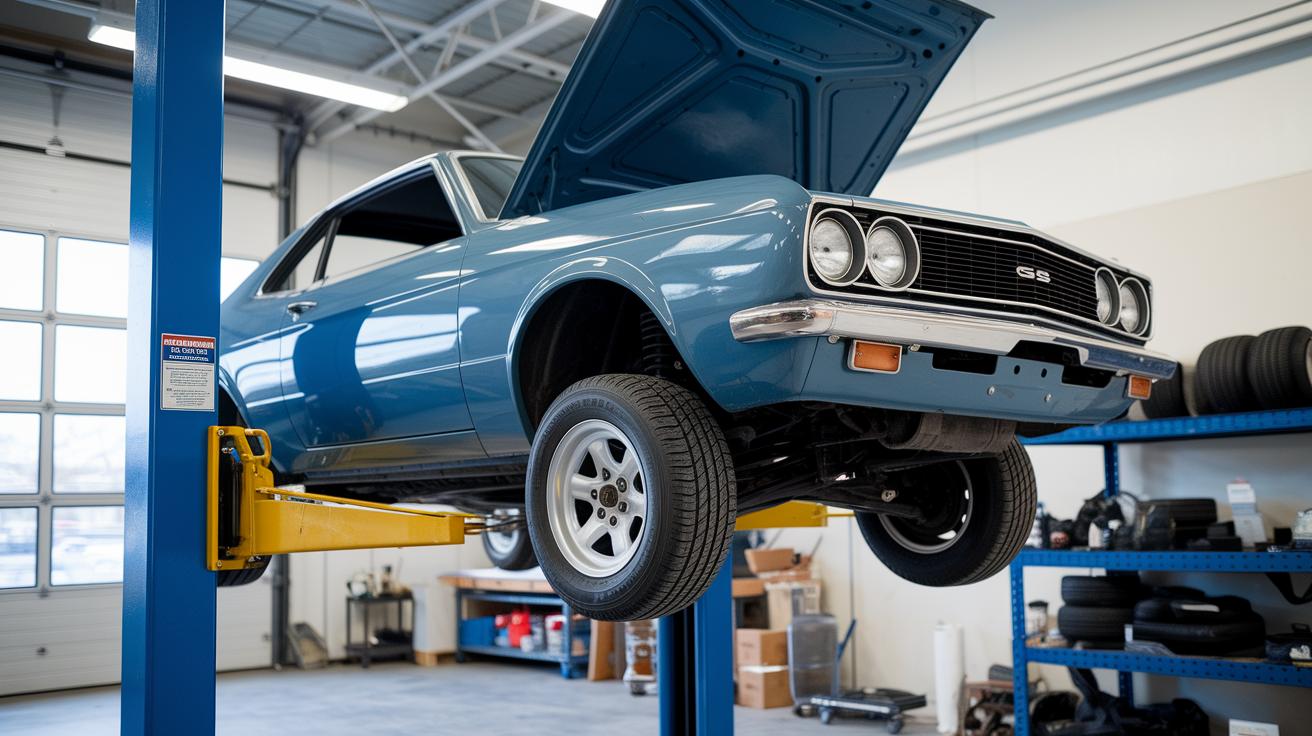
Regular tire rotation not only helps your tires last longer but also keeps your ride smooth. Car manuals often recommend switching your tires every 5,000 to 7,500 miles so that the wear stays even and you can catch any problems early.
Let’s break down a simple plan. First, if your tires aren’t directional, swap your front and rear tires in a straightforward front-to-rear swap. Picture it like switching your car’s shoes from front to back, so each pair gets equal use.
Next, if your car comes with staggered tire sizes, try an X-pattern rotation. Think of it as crisscrossing your steps to balance out the wear across all your tires.
After that, make sure you tighten your wheel nuts correctly. Set the torque to between 80 and 100 ft-lb when putting everything back together. That way, you secure them snugly without overdoing it.
Finally, check your tire pressures against the numbers on your car’s door jamb and have a quick look at each tire. Look out for uneven wear or any sidewall damage.
Stick with these easy steps and keep an eye on your tires with regular checks. You’ll not only extend their life but also keep your car performing smoothly every time you hit the road.
Engine Care Checklist from a Car Maintenance Manual
Taking care of your engine is a bit like looking after a good friend. Every 15,000 miles, give your accessory belts and hoses a quick once-over. Look for any small cracks or signs of wear. Catching these early can help save you from bigger issues when you're out on the road.
At the 30,000-mile mark, it’s a good idea to change your coolant and give your cooling system a thorough flush. But remember, always release the pressure first so you’re working safely. This step is key to keeping your engine from overheating and making sure that cooling system lasts a long time.
Spark plugs play a big role in how your engine runs. Many repair guides suggest swapping them out anytime between 60,000 and 100,000 miles. New spark plugs keep the ignition running smooth, which means a stronger, more efficient engine overall.
Also, take a peek at your PCV valve every 30,000 miles. Checking it helps your engine run cleaner by managing gas emissions better. And don’t forget about the air filter, inspect it at least once a year or roughly every 12,000 miles. A clean air filter helps your engine breathe easily, which keeps your fuel efficiency and power up.
Stick to these steps from your maintenance manual, and you’re setting yourself up for fewer repairs and smoother drives down the road.
DIY Auto Service Manual Safety & Tool List

Safety always comes first when you're working on your car. Your manual will remind you to put on the right gear before you even think about crawling under your car. Make sure you have mechanic gloves to protect your hands, ANSI Z87.1 safety glasses to keep your eyes safe, and steel-toe shoes to stop foot injuries. These items are your first defense against getting hurt while you’re fixing your ride.
Next up, check that you’ve got all the essential tools for most DIY repairs. Your list should include:
- Hydraulic jack and stands rated for your vehicle's weight
- Torque wrench set in ft-lb to tighten bolts correctly
- Oil filter wrench for quick filter changes
- Funnel to avoid spills when you refill fluids
- Comprehensive socket set for various bolt sizes
- Pliers for gripping and bending tasks
- Digital multimeter for testing electrical circuits
Your manual also includes diagrams showing safe jack-point locations, which helps prevent accidents and damage. Plus, it explains how to safely remove electrical connectors. Every tool and piece of safety gear plays a part in keeping your repair work both effective and secure. So, make sure to check everything off your list before you begin, it saves time and keeps you safe while your car stays in top shape.
Preventative Maintenance Schedule Planning with a Car Maintenance Manual
A car maintenance manual isn’t just for fixing problems when they pop up. It also helps you stay on top of things by letting you record dates, mileage, tasks, and parts used. This way, you always know what has been done and when your next service is due.
Here’s a simple schedule to follow:
- At 5,000 miles, check your oil and filter. This step keeps your engine running smoothly and stops small issues from becoming big ones.
- At 15,000 miles, inspect your air filter and belts. This helps your engine breathe clean air and makes sure your belts are in good shape.
- At 30,000 miles, plan for a coolant flush and fuel filter replacement. Flushing the coolant and changing the fuel filter keep your engine at a balanced temperature and your fuel system running efficiently.
- At 60,000 miles, replace your spark plugs and hoses. These parts keep your ignition system working properly and ensure smooth fuel flow.
Digital versions of maintenance manuals come with handy reminder alerts and printable checklists. Ever notice how regular maintenance can save you thousands in repair costs? By following these mileage-based checkpoints, you can tailor your routine to match your car’s needs. Keep a record of every service, and over time, you may notice patterns that help you tackle problems before they start.
Final Words
in the action, we've taken a hands-on look at every part of a car maintenance manual. We broke down oil changes, brake tips, tire rotations, and engine care checklists into clear, bite-sized steps. We also touched on the right tools and safety gear for DIY fixes and set up a tailor-made preventive maintenance schedule. This guide makes car care feel less daunting and more fun. Enjoy applying these steps to keep your ride running smooth and safe!
FAQ
What is a car maintenance manual pdf?
The car maintenance manual pdf is a digital guide that explains vehicle repairs, routine upkeep, and detailed tasks like oil changes and brake inspections, helping you perform DIY fixes and scheduled maintenance.
Are there free online vehicle and auto repair manuals available?
The free online vehicle repair manuals offer step-by-step instructions for basic repairs and regular upkeep, making them a handy resource for DIY mechanics and those seeking professional repair guidelines without a subscription.
How do I get a service manual for my car?
The service manual for your car is typically available through dealer outlets, online databases, and subscription services. It provides detailed repair instructions and diagnostic guides to support both DIY repairs and professional servicing.
What is the 30 60 90 rule for car maintenance?
The 30 60 90 rule for car maintenance refers to suggested intervals for checking and replacing fluids, filters, and other key components during the initial period of ownership, ensuring your car performs optimally.
What basic maintenance is required for my car?
Basic car maintenance involves regular oil and filter changes, brake and tire inspections, and checks of belts, fluids, and filters. These steps help keep your car running smoothly and prevent expensive repairs.
What is the best service manual for a car?
The best service manual depends on your car model and repair needs. Options include manufacturer factory manuals for precision, user-friendly guides like Chilton and Haynes, or digital editions with detailed visuals and step-by-step instructions.