
Ever wondered if your car can keep going strong after 100,000 miles? A simple upkeep routine might surprise you. Simple tasks like changing your oil, checking brakes, and inspecting fluids can stop minor issues from turning into big, expensive repairs.
Every step you take makes your ride safer and smoother. Imagine your engine humming like a content cat on a sunny afternoon. Following this guide helps keep your engine happy and reliable. Stick with these tips, and you might just keep the joy of driving alive for many more miles.
100000 mile car maintenance Inspires Reliable Performance
When your car hits 100,000 miles, having a clear checklist makes a big difference. Keeping up with regular maintenance means you catch little issues before they turn into big problems. It also reminds you to keep a detailed service history so nothing gets missed.
A strict routine is key now. Over time, wear and tear add up, and following a solid checklist helps you know that every important system is cared for. This simple method could save you from unexpected repairs that hurt your wallet.
Here's a quick guide to keep your car in tip-top shape:
| Task | Detail |
|---|---|
| Oil Change | Use synthetic or high-mileage oil every 3,000–7,500 miles. |
| Brake Pads | Replace every 25,000–65,000 miles and check rotor and caliper. |
| Tires | Inspect for at least 2/32″ tread depth; rotate and align regularly. |
| Engine Coolant | Flush and top-up to prevent overheating. |
| Power Steering Fluid | Check regularly to keep steering smooth. |
| Transmission Fluid | Inspect to ensure gear shifts stay clean. |
| Differential Fluid | Assess to support proper drive function. |
| Windshield Wiper Fluid | Keep it topped up for clear visibility. |
| Spark Plugs | Replace copper plugs every 20,000 miles or platinum/iridium up to 100,000 miles. |
| Timing Belt | Inspect as per the manufacturer’s guidelines to avoid engine damage. |
| Battery | Check for corrosion and leaks; typical lifespan is about three years. |
| Belts, Hoses, Exhaust | Review them for leaks, cracks, or holes. |
Sticking to these tasks and doing routine inspections can extend your car’s life while keeping it safe and efficient. In truth, taking care of these details helps your car perform reliably well past the 100,000-mile mark. Have you ever noticed how a little care goes a long way?
Essential Fluid and Engine Maintenance at 100000 Miles
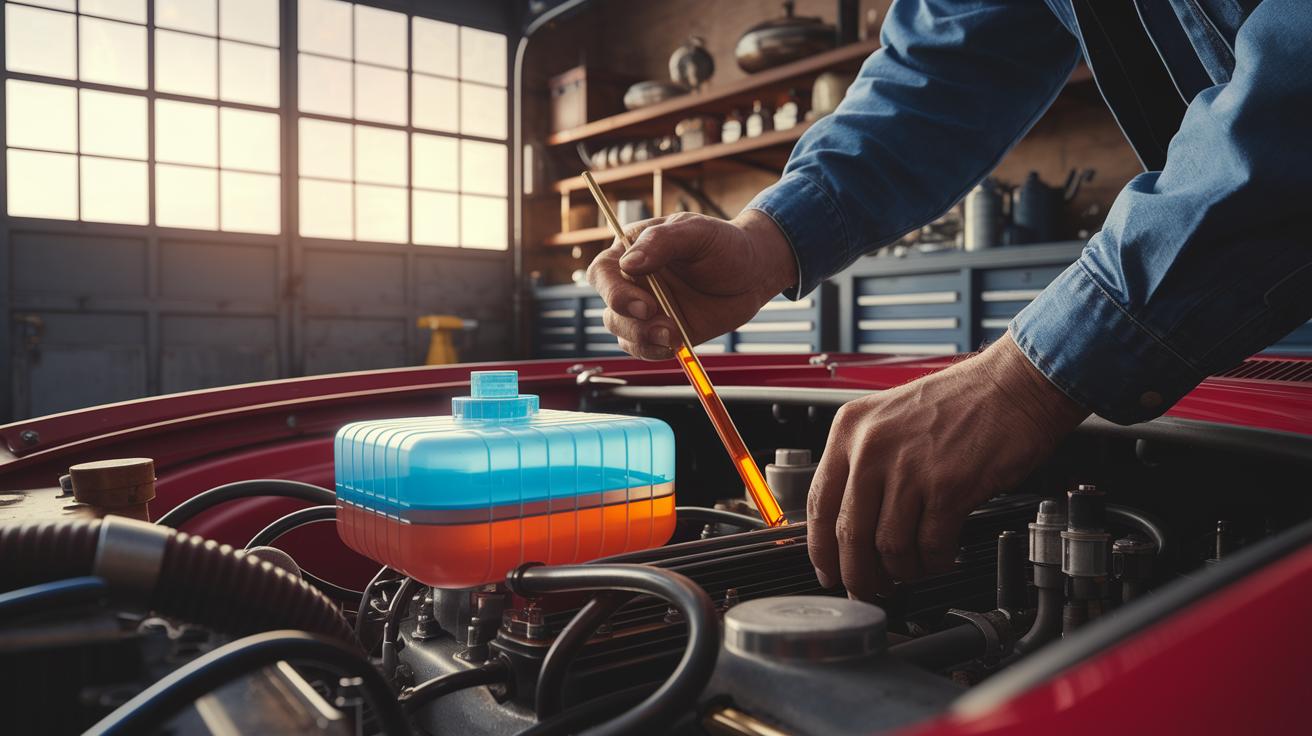
Fluid checks are now a key part of the 100,000-mile plan. This list brings together engine oil, transmission fluid, brake fluid, coolant, and power steering fluid. You'll find clear timing details and service tips for each. For instance, here's a fun fact: Before Marie Curie became famous, she carried test tubes with radioactive material in her pockets, not knowing the danger. It just goes to show how important it is to pay attention to the little things.
| Fluid Type | Check Interval | Service Interval |
|---|---|---|
| Engine Oil (car oil change) | Every oil change | Switch to high-mileage or synthetic after 100k |
| Transmission Fluid | Between 60,000 and 100,000 miles | Flush for smoother shifts |
| Brake Fluid | Every 30,000 miles or every 2 years | Exchange to avoid buildup of moisture |
| Coolant | Check visually on a regular basis | Replace at 100k miles or as your manual suggests |
| Power Steering Fluid | Routine inspections | Top up and replace if it gets dirty |
Keeping an eye on these fluids helps reduce wear and keeps your engine running longer. Make sure you follow the full checklist so your ride stays dependable even after 100,000 miles.
Inspecting Belts, Hoses, and Exhaust at 100000 Miles
Your car's belts and hoses take a lot of wear, so checking them regularly is essential. Catching issues early means you can avoid bigger problems and expensive repairs later.
Timing Belt Inspection
Take a close look at your timing belt. Check for cracks, fraying, or any shiny spots that could show wear. Manufacturers usually say to replace it by 100,000 miles to steer clear of severe engine problems. It's a bit like noticing a small tear in your favorite sweater, it’s best to fix it before things get worse.
Belt and Hose Assessment
Give your serpentine and accessory belts a quick inspection. You want to make sure they have the right tension and aren’t starting to fray or shine. Then, check your hoses for any bulging, leaks, or soft spots. If a hose looks off, swap it out right away. These small checks can save you from costly repairs in the long run.
Exhaust System Evaluation
Finally, inspect your exhaust system. Look out for holes, rust, or leaks that might waste energy or let dangerous fumes escape. Keeping this area in good shape means your engine runs smoothly and safely, even after passing the 100,000-mile mark.
Brake, Tire, and Suspension Checks for 100000 Mile Vehicles
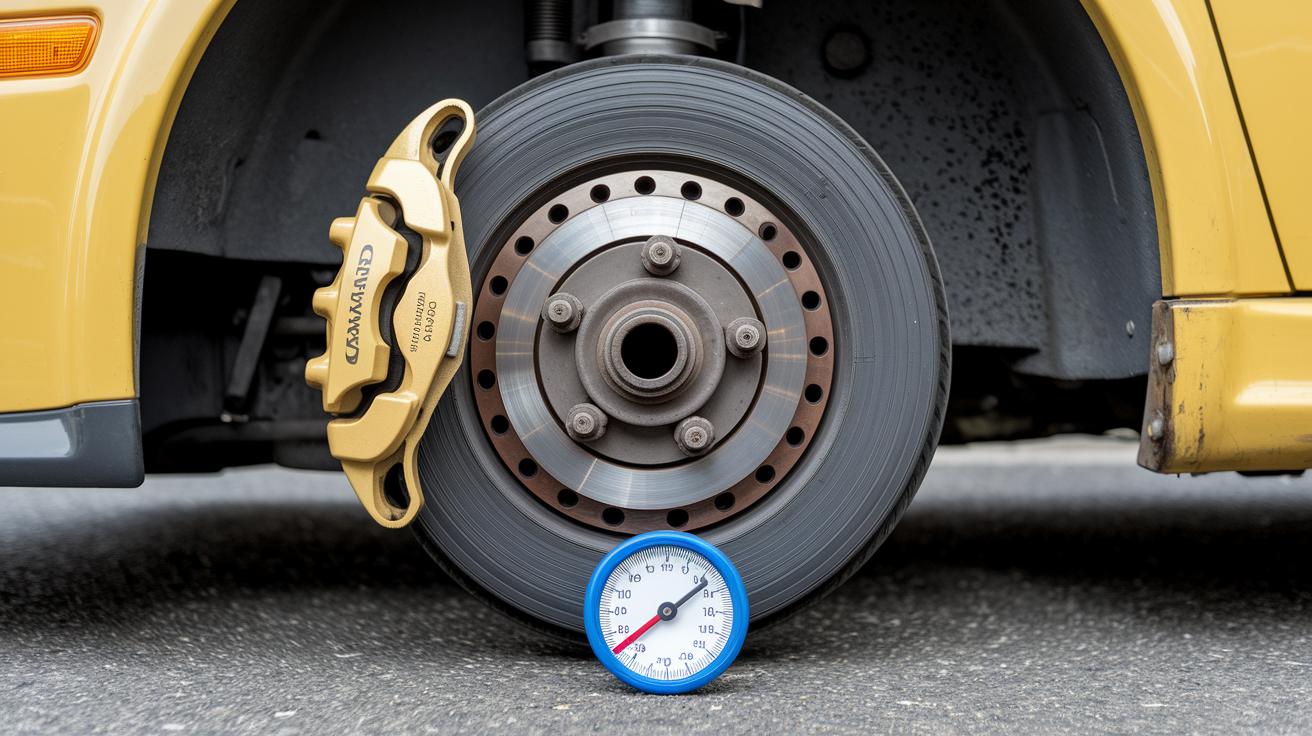
Your car's brakes are its first shield for safety. Check your brake pads often; they wear down with use and need changing between 25,000 and 65,000 miles to keep your stops reliable. Look over your rotors too, if they seem warped or scored, it's time for a service. And don’t forget, flushing the brake fluid removes moisture so your brakes stay responsive when you need them most.
Tire care is just as important for a smooth, safe drive. Make sure your tires maintain a tread depth of at least 2/32 inches. If you see uneven wear or rough spots, that's a sign to check them out. Rotating your tires every 5,000 to 7,500 miles helps keep the wear even and supports proper wheel alignment, which means your car will track straight and run smoother. Ever notice how balanced tires can reduce vibrations and enhance your ride?
Suspension and steering also keep your drive controlled and comfy. Check your shocks and struts for leaks and give them a bounce test, if your car bounces too much, it might be a sign they're not working right. Also, take a close look at steering parts like ball joints, tie rod ends, and bushings to spot any play or damage. Keeping up with these checks helps ensure every trip feels safe and smooth.
Electrical System and Diagnostic Procedures at 100000 Miles
Keeping your battery in good shape is key to a safe, smooth ride. Most car batteries last around three years, so it’s smart to check them regularly. Look at the battery terminals for any rust or loose connections; catching these little issues early means you won’t face surprises when you need your car most.
Every time you get your car serviced, use the onboard diagnostics to scan for trouble codes. This simple step helps you spot problems before they turn into big headaches. Also, take a moment to check that sensors like the oxygen sensor, MAF (that’s the sensor that measures the air flowing into your engine), and the coolant temperature sensor are working well. When these parts tick the right boxes, your car runs more efficiently and keeps emissions in check.
Lastly, make sure to give your alternator and starter a quick test. Check the output of these components and listen for any odd grinding sounds. This way, you’re less likely to end up stuck with a no-start situation on the road.
Manufacturer-Specific 100000 Mile Maintenance Considerations

When your car hits 100,000 miles, it's a good idea to stick to the service tips made just for your model. Each car maker has its own guide to deal with worn parts, so you get the right fixes at the right time to keep your ride safe and smooth.
Take Toyota, for example. Many Toyota owners look into extra service plans that check the timing belt and hybrid battery. These plans help keep your car running strong, even as the miles stack up.
If you drive a Honda, you'll want to follow a high-mileage checklist. That usually means valve adjustments and a good look at the transmission. You might even want to try the Honda high odometer services to help avoid any sudden hiccups.
Ford recommends regular performance inspections. They usually clean the throttle body and review the PCV system, which helps keep your engine working efficiently.
Chevrolet drivers should keep an eye on model-specific bulletins, especially if there are notes about things like intake manifold gaskets. And remember, your owner’s manual is your best friend for knowing the service schedule and fluid requirements for your car.
Cost Planning and Scheduling for 100000 Mile Maintenance
When you give your car regular check-ups, you save a lot in the long run. A little money spent on oil changes, fluid checks, belt and hose inspections, and brake evaluations goes a long way. It’s a lot cheaper than dealing with a broken timing belt or an engine rebuild later down the road. Simple, routine work keeps your car smooth even past the 100,000-mile mark.
Think of every oil change as a full car check-up. Each time you're in for service, take a look at the fluids, belts, hoses, and brakes to catch early signs of wear. Keeping a repair log might sound like extra work, but it really helps you track dates, mileage, and services done. Plus, scheduling a check every three months or every 5,000 miles helps you stick to your repair budget and spot any issues before they become big problems. This log even comes in handy if you need to prove your car’s history for warranty reasons.
Also, compare prices between local tune-up services and your dealership. Local shops often charge less for fluids and filters, giving you a bit of breathing room with your maintenance budget while keeping your car in excellent shape.
Final Words
in the action of keeping up with a detailed checklist, every maintenance step, from fluids and belts to brakes and diagnostics, helps keep your car running smoothly past the 100,000-mile mark. You’ve seen how tasks like inspecting components, checking service records, and following manufacturer recommendations are essential for lasting performance.
By following 100000 mile car maintenance tips and best practices, you set the stage for continued reliability and safe, enjoyable driving. Enjoy the ride!
FAQ
What does a 100,000-mile service cost typically entail?
The 100,000-mile service cost depends on the upkeep required and local labor rates, generally ranging from a few hundred to over a thousand dollars based on parts and work needed.
What maintenance tasks should be done at 100,000 miles?
At 100,000 miles, you’re looking at an oil change with high-mileage oil, brake and tire checks, fluid inspections, belt and hose reviews, battery tests, and a basic diagnostic scan per your car’s manual.
Where can I find 100,000-mile service centers near me?
Local garages, dealerships, and service centers offer 100,000-mile maintenance, with many Toyota and other brand-specific providers listed online to help you locate trusted help close by.
Is a 100,000-mile service necessary and worth it?
A service at 100,000 miles is essential to keep your car running safely; it helps spot potential issues early, extending your engine’s life and often saving money on bigger repairs later.
What is typically included in a 100,000-mile service?
A 100,000-mile service generally covers an oil change, detailed fluid checks, brake and tire inspections, engine diagnostics, belt and hose evaluations, and battery testing based on manufacturer guidelines.
What have car owners shared on Reddit about 100,000-mile maintenance?
Many Reddit users note that consistent upkeep—especially regular fluid changes, tire rotations, and careful checks of belts and battery health—can help avoid costly repairs as cars hit the 100,000-mile mark.