
Ever wonder if new car rules might make our rides better and our lives easier? New rules are changing how cars get checked. This gives makers more freedom to design cars in creative ways while still keeping you safe and our air cleaner.
Imagine your car running smoother and being kinder to the planet. In this post, we explore key updates that mix smart checks with new ways to build and test vehicles. These changes benefit buyers and help energize the whole auto scene.
Vehicle Regulation News Sparks Positive Reform
New rules are changing how our cars are watched over by the government. These updates mix easier manufacturing with care for drivers and the environment. Here are nine key facts behind these changes:
- The EPA has stopped work on new car-emission rules. This move shifts federal oversight and gives drivers more choices when shopping for a car.
- The DOT has eased safety tests for Level 2 and Level 3 self-driving features. Companies can now check these systems themselves instead of hiring outside testers.
- A 25% tariff on imported vehicles will start on April 3, 2025. The same rate for auto parts begins on May 3. This could change prices and affect how parts are delivered.
- The 5th Circuit Court canceled the FTC’s CARS Rule. Dealers no longer need to follow extra steps for disclosing information during sales.
- California’s Proposition 65 is adding more chemicals to be regulated starting January 1, 2025. Car makers will need to adjust adhesives and coatings to use fewer toxic additives.
- The new Vehicle Safety Systems Inspection program now includes checks for ADAS features like automatic braking and lane-keep assist during routine smog or annual tests.
- Updated CAFE standards now require a 5%–7% boost in fleet fuel efficiency. This change pushes manufacturers toward lighter designs and better tire technology.
- Ford is recalling nearly 500,000 vehicles to fix steering-column issues and airbag sensor problems, showing a strong commitment to safety.
- Weekly industry news now also reports a Federal Reserve rate cut to between 3.75% and 4%, a 3% rise in Toyota hybrid sales, and a 60% drop in electric vehicle deliveries. Check out more details on car news.
Vehicle Regulation News: Emission Control and Environmental Standards
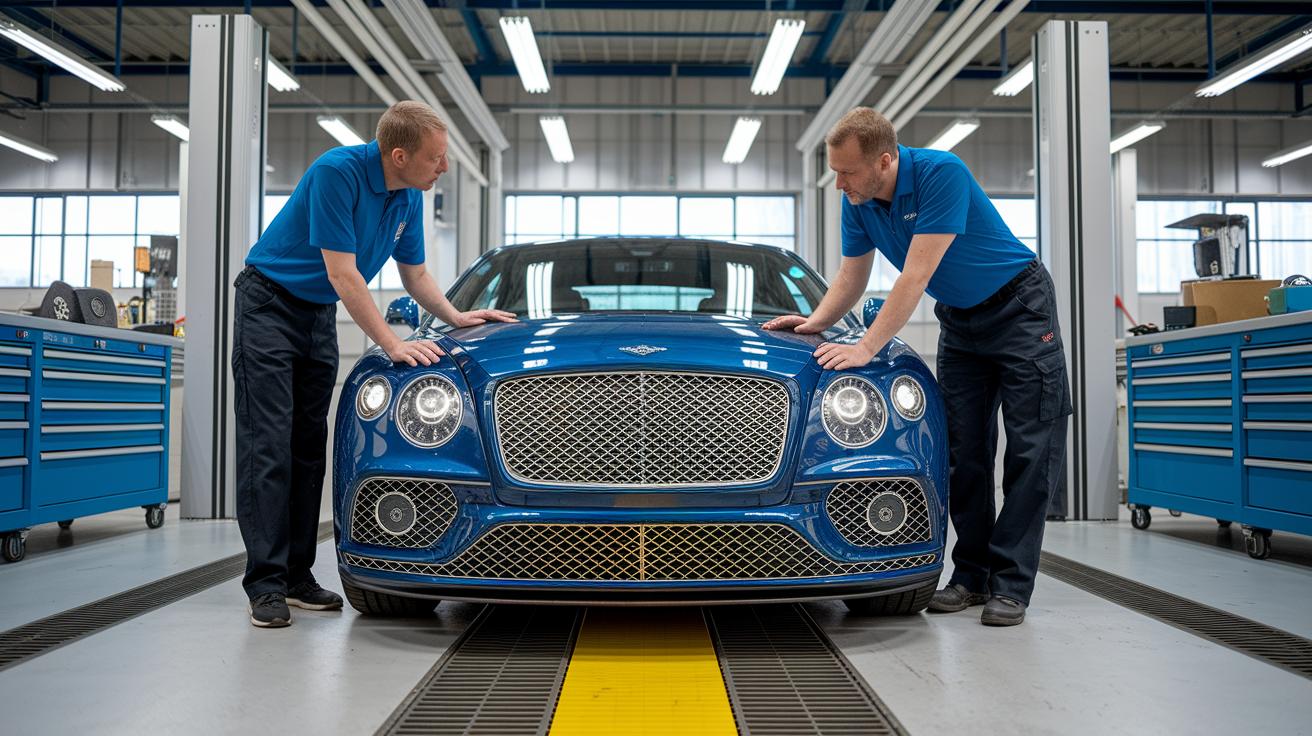
We mentioned not long ago that the EPA hit pause on new car-emission rules and revised the CAFE standards. Now, the buzz is all about industry chatter. Groups like SEMA and top foreign automaker alliances are excited. They see a chance to tweak how cars are made while still keeping an eye on cleaner energy rules.
Some insiders are using this moment to think outside the box. A few automakers are all in on trying new lightweight materials and better tire designs to boost fuel economy. Meanwhile, others wonder if these changes will do enough to protect our environment. One insider put it this way: "Picture automakers focusing on performance first and then easing into electric vehicle ideas."
Imagine car makers rapidly tuning clever designs while planning for a cleaner future. The talk goes on as everyone works to balance more freedom in production with the need for sharper emission cuts. Both sides, industry groups and environmental advocates, are pushing for either bolder action or more relaxed rules, all amid a fast-changing automotive scene.
Vehicle Regulation News: Safety Standard Revisions
The DOT has switched things up for Level 2 and Level 3 self-driving systems. They removed the need for outside groups to certify the systems before they hit the market. Now, automakers use tests that focus on real-world performance and certify their own work. One manufacturer said, "Our new in-house tests mimic real-life challenges." This shows that companies now call the shots.
In California, smog tests now check for more than just emissions. They also look at safety features like automatic emergency braking, lane-keeping assist, and adaptive cruise control using CARB guidelines. It’s a smart way to blend safety checks into an annual inspection.
Ford is also taking action. The automaker recalled almost 500,000 vehicles from 2018 to 2021 for issues with steering columns and airbag sensors. Dealers must fix these problems for free by June 30, 2025.
- DOT now uses performance-based tests, letting automakers certify their own systems.
- California's smog tests now check advanced driver-assist features per CARB standards.
- Ford’s recall fixes critical safety issues with mandatory free repairs.
Together, these changes show a strong push to boost vehicle safety without piling on extra testing for drivers.
Vehicle Regulation News: Trade Measures and Aftermarket Policy Updates

Tariffs are set to nudge aftermarket prices up by about 4% to 7%. This means shoppers might feel a slight bump in costs, and some businesses might need to change how they set their prices. One shop owner mentioned that even a small price increase can work if you bundle services, like throwing in a discounted maintenance package to help keep things affordable.
The Outdoor Recreation Act is also making waves by adding new federal funds for off-road trail care and park improvements. This fresh support gives accessory makers a great chance to introduce parts that can really handle rough outdoor conditions. One supplier shared that with better trails, they're ready to roll out parts perfect for off-road adventures.
These changes in pricing and new funding avenues are pushing companies to get creative with their products and services. It’s a time to rethink strategies and keep up with what drivers need.
Vehicle Regulation News: Industry Impact and Market Responses
Rivian has recently cut its workforce by 1.5% as it prepares to launch the R2 SUV. It’s a clear sign that carmakers are fine-tuning their plans to keep up with new rules. Kia, for example, has pushed back the U.S. launch of its EV4 crossover, showing that many are rethinking their product schedules because the market can be a bit unpredictable.
Startup Scout Motors is also switching gears. They’re moving from all-electric models to hybrids that offer extended range. This shift is part of a bigger trend across the industry as companies adjust their vehicle lines to meet changing buyer needs while avoiding some of the risks of full battery-powered cars.
At the same time, many dealership groups are stepping up their game. They’re now using smart tools powered by artificial intelligence, like Lotlinx’s LotGPT, to manage inventory and set flexible pricing. These platforms help them quickly adapt to market changes and new regulation rules.
Big car makers are taking bold steps too. Ford recently donated $2 million to support Advanced Mobility research at a Cleveland Clinic facility, showing their commitment to innovation and local communities. And Volvo rolled out a new documentary series about electric vehicle adoption, merging customer education with brand storytelling. All of these moves show that as laws and market needs change, automakers are rethinking everything from their business strategies to marketing and new tech investments.
Final Words
In the action, we ran through key regulatory shifts, from changes in emission control and safety updates to new trade measures and market responses. Each section pointed to clear updates on everything affecting everyday drivers and industry players.
The vehicle regulation news offers a simple look at how new rules can shape auto choices and strategies. Keep this guide handy as you steer through the evolving automotive scene, and enjoy the ride ahead.
FAQ
Q: What are some key highlights from today’s vehicle regulation and automotive news?
A: Today’s news covers changes like the EPA pausing new emission rules, higher fuel-efficiency targets, updated safety protocols for autonomous systems, and state-specific moves like California’s Proposition 65 expansion and tariff adjustments.
Q: How long until gas cars are illegal?
A: The timeline for phasing out gas-powered vehicles isn’t fixed. Experts note ongoing discussions, but no nationwide law sets a deadline for banning gas cars.
Q: What is the new federal rule on car buying?
A: The new federal rule on car buying came when the FTC’s CARS Rule was overturned. This change removes some dealer disclosure mandates, shifting to a self-certification process that simplifies purchases.
Q: What is the new car rule in California?
A: California’s new car rule expands chemical regulation under Proposition 65 and introduces the VSSI program, which includes ADAS inspections during smog tests, aiming to boost vehicle safety and reduce harmful substances.
Q: Will 2026 vehicles have emissions?
A: 2026 vehicles will still emit pollutants unless they are fully electric. Manufacturers plan to meet stricter emission standards, but complete elimination of emissions isn’t expected under current guidelines.