
Have you ever wondered if your car could really drive itself while keeping you safe? Self-driving car reviews dig into how these vehicles handle speed, take turns, and make sudden stops. They break down the tech that helps the car "see" using sensors and cameras, and they check safety features like emergency braking (where the car stops fast) and crash avoidance systems. In this post, we explore how driverless systems mix performance with smart technology to give you a smooth, secure ride every time.
Understanding Self Driving Car Reviews: Key Performance, Safety & Tech Insights
Self-driving car reviews give you the lowdown on what matters most. They cover how the car runs, its safety features, and the tech inside, all along with the overall driving feel. These reviews unpack complex systems found in many 2025 models. Most of these cars work at Level 2 autonomy, which means they can take over steering, acceleration, and braking, but you still need to watch the road. Both traditional car makers and tech companies are busy upgrading driver-assist controls.
- How quickly a car can speed up, slow down, and handle turns
- Crash avoidance features and emergency braking systems
- The mix of sensors like LiDAR, radar, and cameras that help the car "see"
- The user interface and how driver-assist features work
- How often the software updates and if those updates really improve things
Performance and safety are top priorities because they show how well a car can respond on the road while keeping you safe. During real-world test drives, systems like Tesla Autopilot, GM Super Cruise, Ford BlueCruise, Rivian Autonomy Platform, BMW Active Driving Assistance, and Mercedes-Benz Drive Pilot are put to the test. These evaluations check if the car can stay steady, react to sudden obstacles, and provide a smooth ride. Ever felt that relief when a car handles a tricky situation just right? It’s these qualities that build trust in semi-autonomous vehicles.
Tech components also get a lot of attention. Reviews look at factors like mapping accuracy, the strength of AI algorithms, and feedback from drivers. Experts dive into data from cameras, radar, and even LiDAR in some systems like Mercedes-Benz Drive Pilot to see how all the parts work together. They also keep an eye on over-the-air software updates that keep the car’s systems improving. In the end, these reviews mix technical details with everyday driving experiences to offer clear advice on how safe and capable these semi-autonomous vehicles really are.
Comparing Top Autonomous Vehicle Models in Self Driving Car Reviews
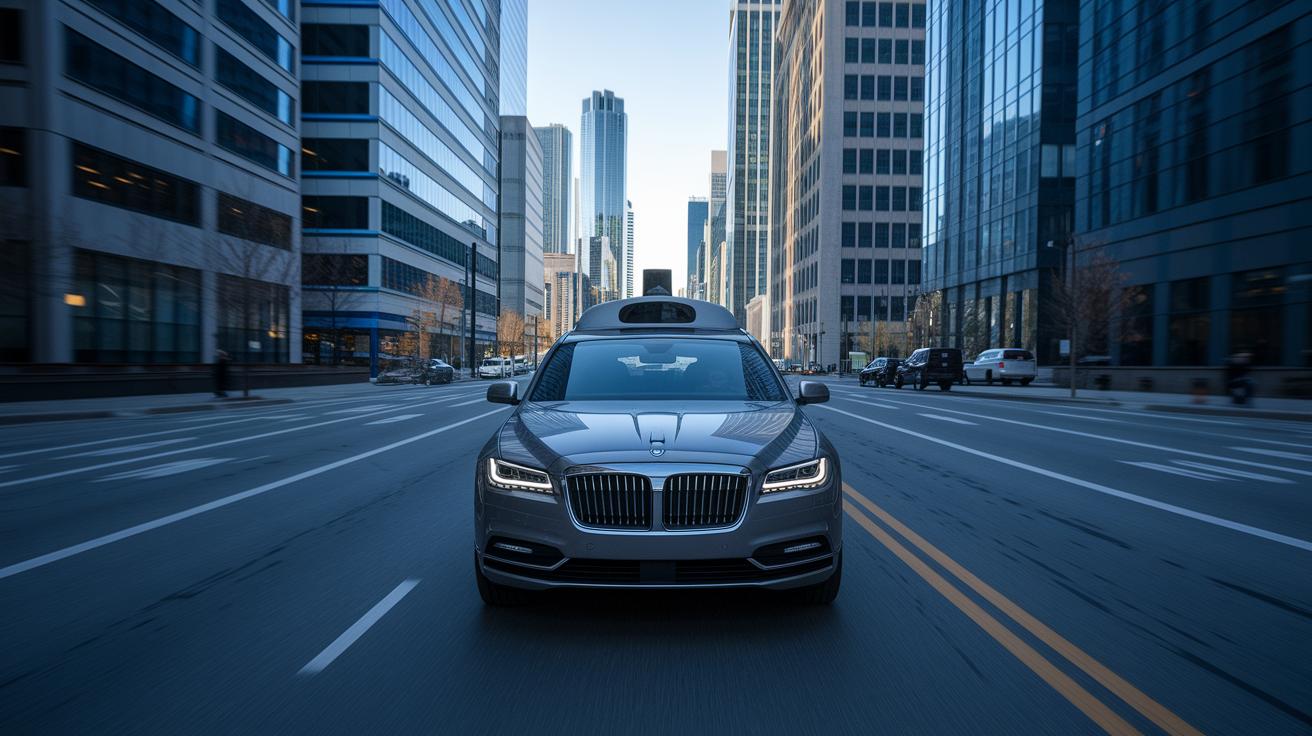
The big names in self-driving cars are really upping their game with smart systems that mix performance with technology. Let's take a closer look at some top picks from Tesla, GM, Ford, Mercedes-Benz, Rivian, and BMW.
| Model | Autonomy System | Level | Key Highlights |
|---|---|---|---|
| Tesla Model Y | Autopilot/FSD | Level 2 | Great handling, strong power delivery, and steady software upgrades |
| Cadillac CT6 | GM Super Cruise | Level 2 | Monitors the driver and offers solid highway mapping |
| Ford F-150 | BlueCruise | Level 2 | Works hands-free on set routes and delivers overall strong performance |
| Mercedes-Benz S-Class/EQS Sedan | Drive Pilot | Level 3 | Enables hands-free driving on mapped highways with extra safety features |
| Rivian R1T/R1S | Autonomy Platform+ Gen 2 | Level 2 | Uses smart adaptive tech built for modern driving challenges |
| BMW 5 Series/X5/iX | Active Driving Assistance | Level 2 | Smooth lane changes, traffic help, and a focus on keeping the driver in control |
When you compare these options, you'll notice the Tesla Model Y often catches the eye with its smooth power and frequent updates sent over the air. Meanwhile, GM’s Super Cruise gives you a calm drive with tons of highway data and keeps a close eye on the driver. Ford’s BlueCruise shines on well-mapped roads by offering hands-free driving that's easy to use.
Mercedes-Benz is a bit different, offering a Level 3 system. That means you can drive hands-free on certain highways, though only at lower speeds and in mapped areas. Then there's Rivian with its Gen 2 tech, which is built to handle many different driving situations, adapting as needed. BMW rounds out the list with a focus on smooth driving and good driver support, ensuring every twist and turn feels just right.
Each of these systems comes with its own cool features. So, think about what matters most to you, whether it's the latest tech updates, a focus on safety, or a smooth drive, and you'll find an option that fits your style.
Deep Dive into Tesla Autopilot and Full Self-Driving in Reviews
Tesla builds a Level 2 Autopilot right into every model, giving drivers a glimpse into semi-autonomous driving. If you want a little extra, the Full Self-Driving (FSD) package, which costs about $8,000 or $99 per month, adds neat features like automatic lane changes and Smart Summon. Even with these upgrades, you still need to watch the road. This blend of everyday driver help and futuristic tech offers a peek at the kind of automation that might be common before long.
Real-world tests really show the differences between the Model Y and the older Model S. On roads in New Zealand, the Model Y always came out on top. It handles sharper, gives power smoother, and feels more responsive. Meanwhile, the older Model S sometimes handles poorly and has unpredictable torque that can lead to sudden interruptions. These tests remind us that even with advanced features, Tesla’s system still relies on drivers keeping their eyes on the road.
Here are some pros and cons of Tesla’s systems:
| Pros | Cons |
|---|---|
| Reliable Autopilot that offers consistent driver assistance | Driver supervision is still a must |
| FSD features such as Smart Summon and automatic lane changing add convenience | Older Model S can have issues with handling and torque distribution |
| Model Y shows better handling and power delivery | |
| Frequent over-the-air software updates keep the system updated |
Evaluating Sensor Suites and Technology in Self Driving Car Reviews
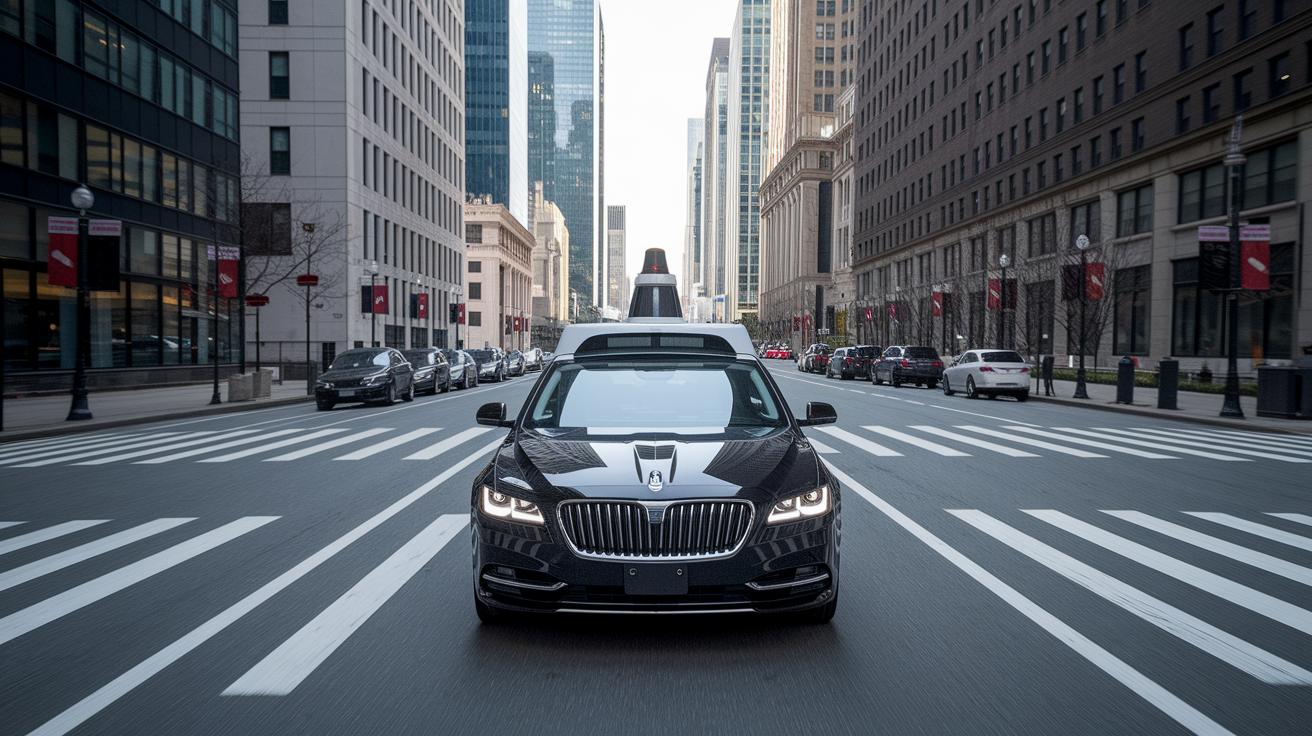
Self-driving car reviews lean on sensor suites because they provide essential data for smart decision-making and safety. Modern systems mix different sensor types like cameras, radar, and sometimes LiDAR. LiDAR uses lasers to create detailed maps of the area. For example, Mercedes-Benz Drive Pilot uses LiDAR, radar, and high-definition maps to give a clear view of road conditions. Meanwhile, Tesla opts for eight external cameras paired with 12 ultrasonic sensors, letting the car see much like human eyes and ears.
Looking at different models, you'll notice they use sensors in unique ways to ensure reliability and precision. GM’s Super Cruise combines LiDAR maps, cameras, and other sensors to watch over long highway stretches. Ford BlueCruise, on the other hand, relies on cameras and radar to keep the car in lanes on pre-mapped routes. Many vehicles in 2025 avoid using LiDAR due to its higher cost, although select Mercedes-Benz models still include it for its mapping accuracy.
Taking a closer look, each sensor type has its ups and downs. LiDAR offers pinpoint accuracy but can struggle in harsh weather and is more expensive. Radar works well when visibility is poor but might miss small obstacles. Cameras do a great job reading road signs and lane markers, though changing light conditions can sometimes throw them off. That’s why blending these sensors is so important, it helps balance performance, cost, and safety for a smoother autonomous driving experience.
Safety Analysis & Crash Avoidance Findings in Self Driving Car Reviews
Self-driving car reviews put a big focus on safety. Most Level 2 systems need you to keep an eye on the steering wheel, even though they’re designed to help out with things like automatic emergency braking and keeping the car in its lane. These vehicles use sensor info from cameras, radar, and sometimes LiDAR (a tech that uses lasers to measure distance) to spot obstacles and maintain lane position. And features like adaptive cruise control work with these systems to keep your ride smooth, even when surprises pop up. It’s all about how these parts join together to handle everyday driving challenges.
Real-world tests give us clear numbers on how these systems work on highways and in the city. For example, GM Super Cruise has clocked more than 200,000 miles on hands-free driving with its driver-attention system, while Ford BlueCruise shows it can handle about 130,000 miles on mapped routes. Then there’s Mercedes-Benz Drive Pilot, which offers Level 3 capabilities and lets you drive hands-free on mapped highways at speeds up to 40 mph. These examples show that while the systems do great emergency braking and keep the car steady, they act a bit differently on long highways versus busy urban streets.
Field tests remind us that crash avoidance isn’t just about having smart features; it’s about how they perform under pressure. On open highways, automatic braking and lane support work really well. But in city settings, you might notice unexpected braking or lane corrections that aren’t as precise. Even with high-tech sensors and strong algorithms, a driver still needs to stay alert to keep everyone safe.
Pricing, Maintenance & Ownership Costs from Self Driving Car Reviews
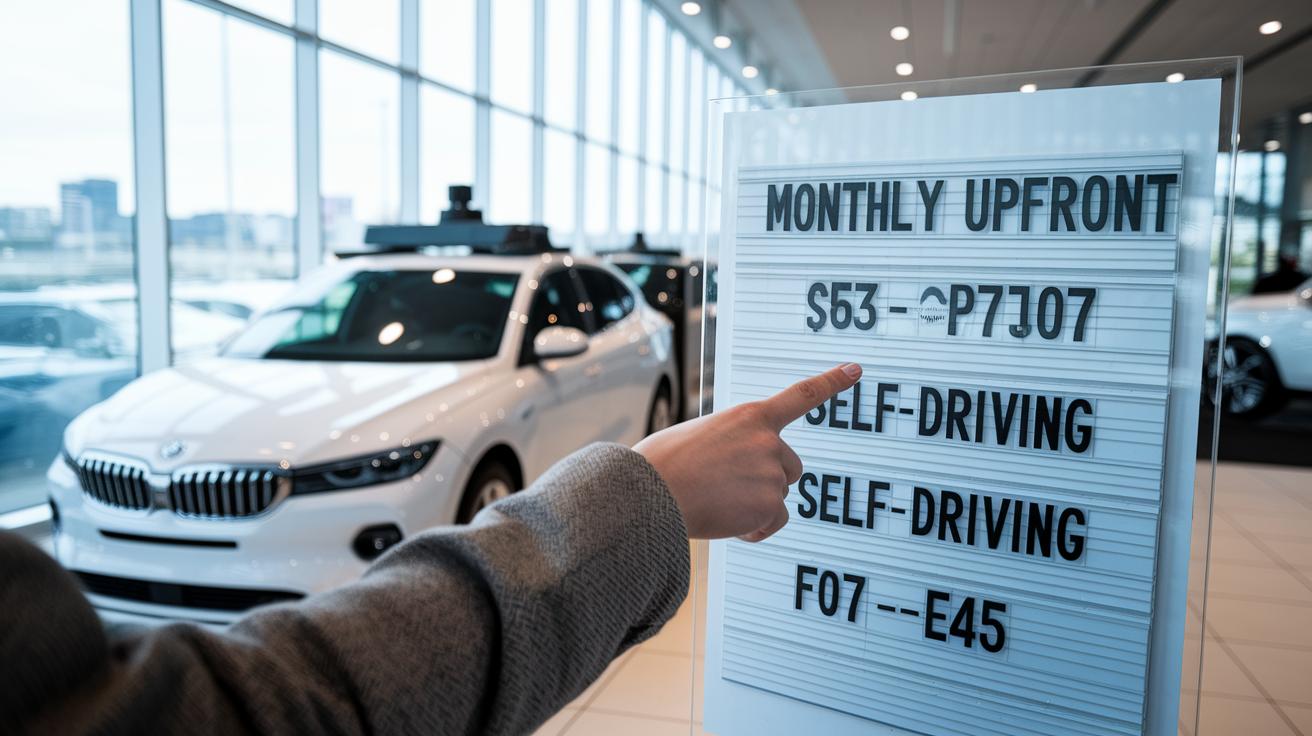
When you’re looking at spending on self-driving tech, you've got a couple of options. You can either pay for it all at once or opt for a subscription. For example, Tesla’s Full Self-Driving package costs about $8,000 if you pay upfront, or around $99 a month if you prefer a subscription. BMW, on the other hand, prices its Active Driving Assistance as a one-time fee of $2,500. GM’s Super Cruise comes in at roughly $25 a month. Meanwhile, Ford’s BlueCruise is around $495 a year, or about $49.99 per month on select models. Cadillac’s Escalade Super Cruise has an added cost of $2,500, and Mercedes’ Drive Pilot is listed at around $2,500 per year. These choices show that car makers mix one-time purchases with subscription plans, letting you pick what best fits your budget and driving needs.
Beyond the initial cost, there are ongoing expenses to consider too. Routine maintenance like sensor calibrations and updates can add to your costs. Some systems update over the air with a simple download, while others might require a trip to the dealer. And don’t be surprised if some insurance companies nudge up your premiums because of the advanced tech in your car. Keeping up with the latest software might help your autonomous features run smoothly, but it could also mean waiting for the next dealer visit instead of getting a quick digital fix. In short, knowing both your purchase options and future maintenance needs is essential when planning the overall cost of owning a semi-autonomous vehicle.
Future of Self Driving Car Reviews and Emerging Trends
By late 2025, almost every big car maker will offer cars that can drive themselves better. New models will have smarter driver assistance, often called Level 3 or Level 4 systems, that take us a step closer to fully self-driving rides. Did you know that almost every new car might come with its own smart helper, watching tasks like staying in the lane and handling emergency braking? These upgrades build on today's basic systems and promise a smoother, more responsive ride.
At the same time, rules and guidelines are catching up with the tech. Lawmakers in more U.S. states are setting new standards for these self-driving features. This means car makers will soon work under a clear set of rules that drive consistent improvements and help build trust with drivers. Plus, feedback from car buyers is already shaping these systems, pushing for clearer safety tips and defined driver roles.
Reports show that AI-based decision-making in cars will only grow, with over-the-air updates becoming more common and reliable. New startups are shaking things up, setting higher standards and challenging the old ways. This steady progress is paving the road for better integration of top-notch sensors, smart software, and adaptive maps. In the end, our driving experience is set to change as we lean more on this intelligent, connected technology.
Final Words
In the action, we explored self driving car reviews covering key areas such as performance, safety, tech, and cost analysis. We broke down how models from different makers stack up in real-world tests and assessed advanced sensors, driver-assist features, and evolving trends.
This breakdown provides clear insights to help make savvy vehicle decisions while boosting confidence in emerging autonomous technology. Enjoy the ride and keep informed about what makes self driving car reviews a trusted guide in today’s auto scene.
FAQ
Frequently Asked Questions
What are self-driving cars?
Self-driving cars are vehicles that operate with little input from drivers. They use sensors, cameras, and software to manage steering, speed, and braking while keeping you informed.
What insights do Tesla self-driving car reviews provide?
Tesla self-driving car reviews offer details on Autopilot and FSD performance. They explain how Tesla updates its software and include remarks by Elon Musk about continuous improvements and safety.
Which car has the best self-driving system overall?
Reviews show that cars like the Tesla Model Y, GM’s Super Cruise models, and Mercedes-Benz’s Drive Pilot are among the top options. They excel in handling, sensor tech, and advanced driver-assist features.
What self-driving car brands are leading the market?
Leading self-driving car brands include Tesla, GM, Ford, Mercedes-Benz, BMW, and Rivian. These brands focus on delivering strong performance and reliable driver-assist technology based on rigorous test evaluations.
How much do self-driving cars cost and which is the cheapest?
Review findings reveal self-driving car costs vary greatly. Options range from subscription models like Tesla’s FSD to one-time fees for systems in other brands, with some affordable choices emerging based on tech updates and model package choices.
What is Level 4 autonomy and which models offer it?
Level 4 autonomy means a car can handle driving in specific conditions without human input. Upcoming models for 2026 and select advanced vehicles are expected to meet this standard in controlled settings.
Are self-driving cars a good idea?
Self-driving cars offer improved convenience and potential safety gains by using advanced sensors and AI. However, they still demand driver attention, so your involvement remains important during operation.
What is the biggest problem with self-driving cars?
Reviews indicate that the main challenge with self-driving cars is technology limitations. Sensors may struggle in low-visibility scenarios, and real-world conditions can expose gaps in current driver-assist systems.
What does Elon Musk say about self-driving cars?
Elon Musk remarks that self-driving technology is evolving quickly. He emphasizes that regular software updates and innovation are key, while stressing that drivers must keep an eye on the road for safety.