
Ever thought about whether our cars are heading toward a safer future?
There’s chatter about recalls and cool tech updates from Honda, Toyota, and even Uber.
Car makers are checking data and testing self-driving systems, showing that everyday rides can get safer and smoother.
This article digs into today’s auto safety news, and it looks like bright improvements are coming for everyone on the road.
Recent Highlights in Auto Safety News
Recent auto safety news is sparking a lot of discussion. The National Highway Traffic Safety Administration (NHTSA) is looking into 583,000 Honda SUVs and minivans for potential safety issues that could slow down emergency responses. Experts are carefully checking data and testing these vehicles to separate fact from fiction.
Toyota is also in the spotlight. They recently recalled 591,000 cars to fix a faulty digital display. This issue might hide important warnings that help drivers respond to hazards. Owners have been notified to get this fixed as soon as possible.
Uber is making a bold move too. They plan to add 100,000 self-driving cars to the roads in an effort to cut down on accidents caused by human error. By using advanced automated systems, they hope to make driving safer and boost confidence on the road. Plus, older models are getting a modern twist. Some are now being retrofitted with Nvidia-powered self-driving modules and Google Gemini AI. These systems work together to improve collision avoidance during daily drives.
These stories have caught the attention of car enthusiasts and experts alike. With investigations, recalls, and high-tech upgrades on the rise, it looks like the future of safer driving is just around the corner.
Analysis of Automotive Crash Reports and Trends
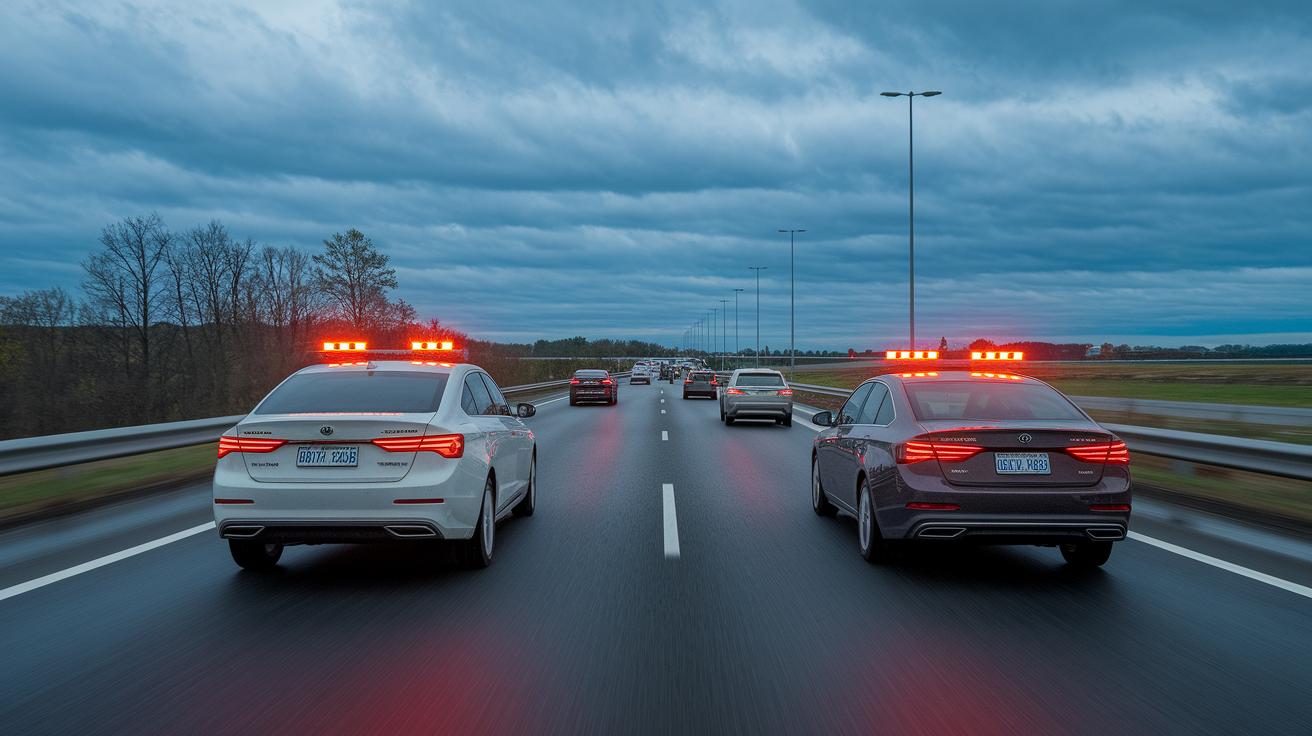
Recent crash reports show some interesting trends in car safety. Over the past 25 years, despite more cars on the road, crash and injury rates have dropped. Back in 1998, without today’s modern safety features, crashes were much more common even with fewer vehicles. This change speaks volumes about improved technology and smarter driving habits.
Yet when we dig a little deeper, fatality rates still haven’t reached the low point we saw in 2014. Even though today's cars come with advanced safety systems, more than 303 million vehicles were on the road in 2022. With so many cars, not every one has the same level of safety tech, which means the overall benefit gets a bit diluted.
Looking at several years of data, experts agree that new safety measures have definitely prevented many accidents. But they also say there’s still a need for even more innovation and broader use of these emerging technologies. So while progress is clear, there’s still work to do to help make every drive as safe as possible.
Advances in Automotive Safety Innovations and Technologies
Car safety technology has really transformed how we drive today. Automatic Emergency Braking uses sensors and radar (think of it as the car’s extra pair of eyes) to spot obstacles and slow or even stop the car when needed. This quick reaction helps drivers dodge surprises on the road. And then there’s Blind-Spot Monitoring, it uses cameras or radar to warn you if there’s a car you might not see, making lane changes a lot safer. Lane Departure Warning gives you a gentle tap (or a nudge) when your car starts to wander out of its lane, keeping you on track.
These safety features bring real benefits. Studies show that cars with Automatic Emergency Braking have far fewer front-end collisions. Plus, the cool thing is that safety tech isn’t just for new cars. Companies like Nvidia with their self-driving modules and Google with Gemini AI are now adding features like adaptive cruise control and predictive steering to older models through retrofit programs. Even Uber is testing self-driving cars with these advanced tech tools in busy city traffic to help cut down accidents caused by human mistakes.
| Feature | Technology | Safety Benefit |
|---|---|---|
| AEB | Sensors & Radar | Cuts front-end collisions |
| Blind-Spot Monitoring | Camera & Radar | Helps avoid side-impact crashes |
| Lane Departure Warning | Cameras & Sensors | Keeps the car in its lane |
These breakthroughs are steering us toward smarter, more responsive vehicles. It’s all about giving drivers a bit more confidence every time they hit the road.
Updates on Safety Regulation Changes and Recall Alerts
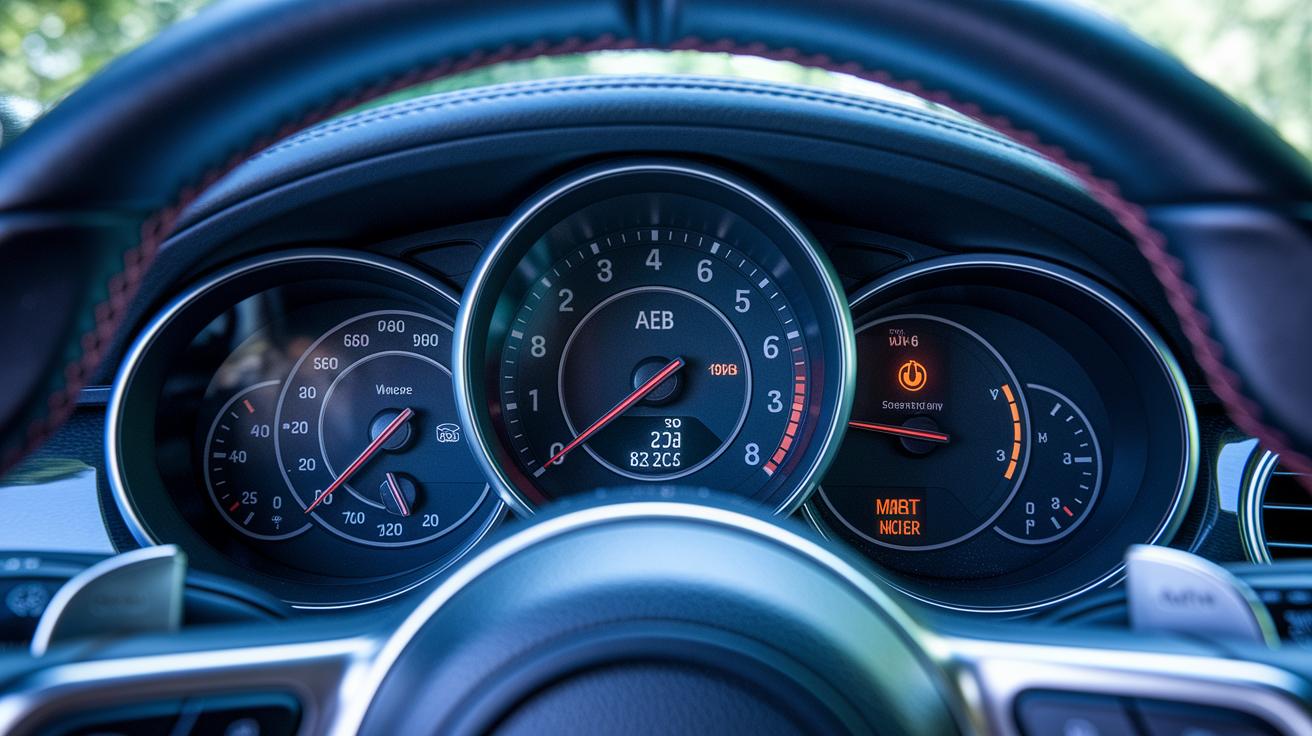
Federal regulators have expanded their focus to include advanced driver-assistance systems with brand-new safety mandates. Now, car makers must report every six months on how well systems like Automatic Emergency Braking (AEB, a tool that helps slow a car automatically) and Blind Spot Monitoring (BSM, which warns you of cars in hidden spots) are working. This fresh process lets regulators check real-time performance and ensure manufacturers meet tougher safety standards. In simple words, brands now need to show proof of how these systems perform under various road conditions.
Recall alerts have also taken on a new approach. Instead of the old way, software-patch alerts now come right through the vehicle telematics network, meaning car owners get timely notifications about important fixes. These alerts aren’t just routine; they show that manufacturers are serious about spotting and fixing issues as soon as they arise. Recent updates show that companies are beefing up their internal checks to ward off future safety concerns.
All these changes signal that the government is pushing for better safety tech in our cars. They not only aim to warn drivers about potential hazards but also encourage the industry to adopt clearer and more effective safety practices. Every update adds a little more security for everyone on the road.
In-Depth Car Safety Investigations and Crash Test Updates
Federal Probe Findings
NHTSA has started a closer look into Honda’s airbag system after some reports showed it might be a bit slow in side-impact tests. Imagine you're driving and your airbag takes an extra moment to kick in, that’s the kind of scenario engineers want to fix. This investigation tells us that safety is always on the mind of those in charge, and they’re not missing a beat when it comes to checking potential issues.
Latest IIHS and NHTSA Crash Ratings
Independent labs put 2023 car models to the test, and less than half got top marks in crash tests by IIHS. Midsize sedans held up pretty well, but some SUVs had a tougher time. On the bright side, cars with Automatic Emergency Braking (AEB) saw 27 percent fewer multi-vehicle impacts compared to those without the feature. This shows that while new crash prevention tools are making a difference, there’s still plenty of room to boost safety for everyone.
The findings and tests remind us that even if some cars shine in controlled conditions, regular checks and updates are key to making sure our vehicles keep getting safer.
Future Outlook for Auto Safety News

Car makers and rule makers are laying the groundwork for roads that are not only smarter but also a lot safer. They’re developing clever safety models that use live driver data to spot dangers before they really get out of hand. Imagine it as a friendly nudge, letting you know about potential risks much like a gentle reminder amidst heavy traffic.
Meanwhile, more attention is being given to self-driving technology. In three key states, officials are trying out new sets of rules that might one day be used across the nation. These new guidelines are designed to ensure that self-driving systems perform safely no matter what conditions they face.
Looking ahead, experts predict that around 60% of new vehicles could soon be equipped with V2X systems, technology that lets cars “talk” to one another on the road. This added communication means vehicles can quickly share important information about hazards, helping them to anticipate and avoid trouble.
Each of these exciting changes is steering us toward a major transformation in car safety. By blending predictive models with smart connectivity, our cars will not just respond to dangers, they’ll be prepared for them. For more on next-gen safety shifts, check out future auto innovations.
These trends promise smoother roads ahead, with technology and trust working together every mile of the journey.
Final Words
In the action, this article explored fresh updates in auto safety news and shared key highlights. It touched on federal probes, recall updates, and breakthrough safety innovations.
We looked at how advanced tech like AEB and driver assist systems help reduce car accidents, alongside ongoing investigations that shape future regulations.
Each section aimed to guide you in making smart decisions about vehicle safety. The world of auto safety news keeps evolving, promising a safer driving experience ahead.
FAQ
What does auto safety news 2022 cover?
Auto safety news 2022 covers key topics like car recall alerts, federal investigations into vehicle defects, and tech upgrades such as self-driving features that aim to reduce accidents and improve driving safety.
What topics are included in USA auto safety news?
USA auto safety news reports on government investigations, major recalls, and the rollout of advanced safety technology. It offers practical updates that help drivers stay informed and safe on the road.
What could an auto safety organization crossword clue refer to?
An auto safety organization crossword clue might hint at groups like the Center for Auto Safety, known for tracking recalls, investigating defects, and promoting improvements in vehicle safety practices.
What is known about Auto Safety Cedarburg?
Auto Safety Cedarburg likely refers to a local initiative that shares vehicle recall information, safety updates, and accident prevention tips, helping drivers in the Cedarburg area remain well-informed.
What services does Auto Safety Center South provide?
Auto Safety Center South focuses on monitoring recall alerts, investigating vehicle defects, and offering guidance on safer driving practices, all aimed at enhancing community roadway safety.
What are the main goals of the Center for Auto Safety?
The Center for Auto Safety works to monitor recall notices, pinpoint potential vehicle hazards, and advocate for stronger safety standards to help reduce car accidents and protect consumers.
What role does the Highway Safety Administration play?
The Highway Safety Administration gathers collision data, supports local safety programs, and sets guidelines to boost driving safety, thereby helping to lower crash rates on our roads.
What updates have been featured in recent NHTSA news?
Recent NHTSA news highlights include investigations into defect-laden vehicle models and recall alerts. These updates inform drivers about manufacturer issues and ongoing efforts to enhance car safety.