
Have you ever wondered if driverless cars are changing our daily ride? New breakthroughs in self-driving technology have everyone buzzing. Car makers and tech experts are trying out smart systems in busy cities and on twisty highways. They mix up high-quality sensors (those are devices that help a car see its surroundings) with clever digital know-how.
Big companies around the world are teaming up and testing these cars fast. Each trial brings us closer to a future where our rides might be completely different. It’s clear that driverless tech is on its way to transforming how we travel every day.
autonomous vehicles headlines: top global updates
Innovation in driverless tech is picking up speed like never before. New breakthroughs are setting the stage for city rides and big commercial projects. Regulators, car makers, and tech visionaries keep pushing the limits every day.
Lately, we’re seeing exciting tests and bold team-ups around the world. Companies are trying out smart systems in tough settings and teaming up to blend top-notch hardware with digital smarts.
- Waymo got its first permit to try out driverless cars in New York City in 2024.
- Zoox snagged the first NHTSA demo permit for a US-built automated vehicle in early 2025.
- A Japanese government project, with partners Yamato Transport, MFTBC, and TIER IV, is set to test Level 4 autonomous long-haul trucks (cars that can drive themselves under certain conditions).
- Lyft and Baidu are joining forces to launch self-driving rides all across Europe.
- Aeva and Daimler Truck North America will ramp up production of 4D LiDAR sensors (tech that helps cars see their surroundings) for automated trucks.
- Uber has partnered with Baidu, Lucid, and Nuro to boost its robotaxi services worldwide.
- WeRide kicked off pilot programs for both robotaxis and robobuses in Ras Al Khaimah.
- Einride wrapped up a $100 million funding round to expand its driverless freight solutions.
- Miami-Dade County launched a pilot for the nation’s first autonomous patrol vehicle.
- GM has now added its Super Cruise hands-free feature to mapped roads on a Cadillac model in South Korea.
These updates cover a wide range of uses, from city rides and big trucks to special patrol vehicles. The fast pace of these breakthroughs shows that the move to driverless cars is speeding up, paving the way for even more cool advances in the world of automotive autonomy.
autonomous vehicles technology updates: latest breakthroughs
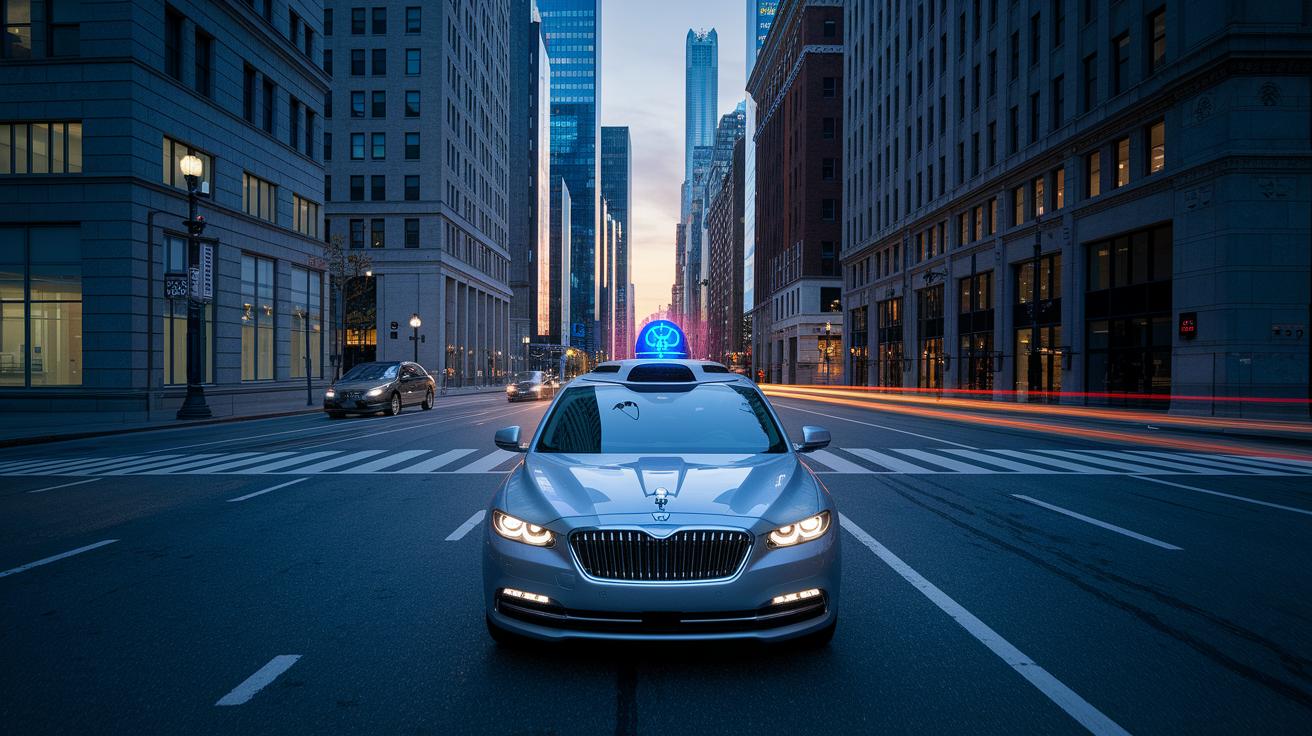
Tech is racing ahead in the world of driverless cars. Companies are combining better sensors, smarter computers, and clearer step-by-step instructions that help cars make safe, split-second decisions. It’s like watching the engine of the future being built right before our eyes.
These cool updates are making cars smarter. With stronger computer brains and fine-tuned sensors, manufacturers are moving past simple driver assists and stepping into the full self-driving era. This means cars can handle tricky roads and sudden changes better, keeping everyone safer and reducing mistakes.
| Innovation | Company | Key Feature |
|---|---|---|
| Next-gen S-GNSS Software | FocalPoint and STMicroelectronics | Offers navigation that’s accurate to the centimeter |
| EyeQ™6 SoC | Mobileye | Doubles computing power for hands-off driving features |
| Imaging Radar | Global Automaker (via Mobileye) | Makes it possible to drive without keeping your eyes on the road |
| NVIDIA DRIVE AGX Thor Integration | Bosch | Boosts AI smarts for quicker, smoother vehicle control |
| AevaScenes Dataset | Aeva | Combines high-res 4D LiDAR and camera data for top-notch perception |
These breakthroughs give vehicles a real boost in independence. With sharper tech under the hood, car makers are paving the way for cars that not only assist drivers but could eventually handle everything on their own. It’s a smart, safe future on roads where technology and trust go hand in hand.
autonomous vehicles regulations: pivotal policy changes
Governments are constantly tweaking the rules to keep a good balance between pushing new tech and staying safe. Now, policies are designed to handle both breakthrough innovations and the real safety issues that come with driverless cars.
The NHTSA recently started a look into Tesla’s Full Self-Driving system after people reported it running red lights, making sudden lane changes, and being involved in crashes from 2019 to 2024. At the same time, Zoox got a special exemption that lets its American-made automated vehicle skip some testing hurdles. And then, New York City surprised everyone by giving Waymo its first permit for public autonomous vehicle testing in late 2024, all while keeping strict safety rules in place.
These moves, mixing tight safety checks with special break periods, are clearly going to change how fast we see these vehicles on the road. As the policies keep evolving, expect the rollout of driverless cars to speed up, but always with a careful eye on safety.Please
autonomous vehicles partnerships: collaborations fueling progress
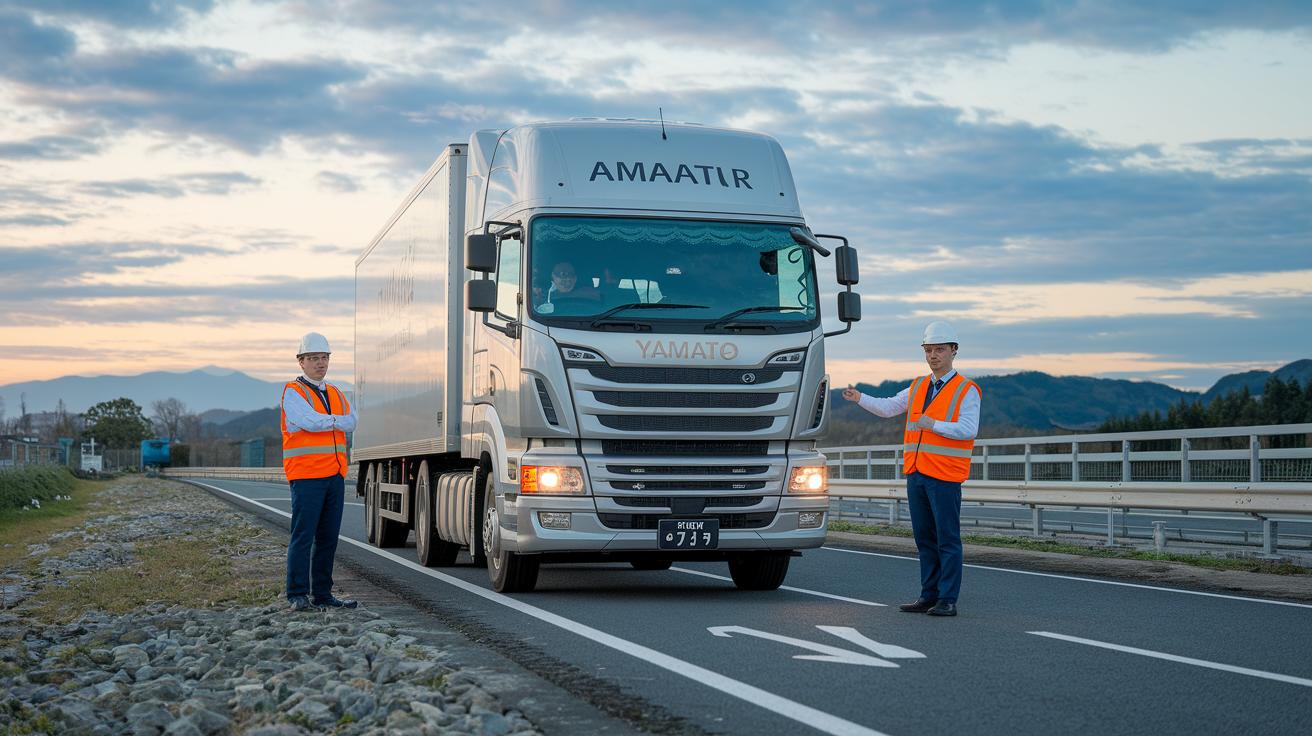
Cross-industry teamwork is sparking amazing breakthroughs in self-driving technology. When different companies come together, they mix unique skills and ideas to tackle tough challenges and push driverless tech forward at a fast pace.
Japanese Level 4 Truck Trial
Yamato Transport, MFTBC, and TIER IV are joining forces on a government project that tests Level 4 long-haul trucks. Set for 2026, they’ll explore new routes to see how the trucks perform and keep everyone safe under real-life conditions. It’s an exciting trial that could really change long-haul trucking.
Lyft and Baidu European Deployment
Lyft and Baidu are teaming up to launch autonomous ride-hailing services in a few European cities. With Lyft’s strong market presence and Baidu’s technical know-how, they’re making sure the service meets strict rules while offering rides in busy urban spots. Ever wondered what it would be like to hail a self-driving car downtown?
Vay and Kodiak Assisted Autonomy Integration
Vay is working with Kodiak Robotics to add assisted autonomy features into Kodiak’s full driverless system. This move is all about sharing the latest tech, improving safety, and speeding up the rollout of reliable upgrades. It’s a smart way to blend innovation with safety.
Uber’s Segments.ai Acquisition
Uber recently acquired Segments.ai, a Belgian startup, to enhance its AI data-labeling capabilities. This step is focused on sharpening the system’s accuracy and overall performance in self-driving tech, paving the way for a future of smarter rides.
These strategic partnerships show that when companies collaborate, the road to smarter, safer, and more efficient driverless solutions becomes much smoother.
autonomous vehicles deployments: major pilot programs and rollouts
Self-driving vehicle tests are taking many forms these days, from city rides to trucks hauling heavy loads. Real-world pilots are giving us a sneak peek into how these cars handle different roads, weather, and traffic. They’re teaching us about safety, performance, and efficiency in a very hands-on way.
Munich’s Level 4 Shuttle Project
Munich is getting ready for something new with the MINGA project. Three Level 4 self-driving shuttles will hit the streets in 2026. Developed by SWM, MVG, and IAV, this test is all about seeing if these shuttles can work safely and reliably on busy public routes. It’s like watching the future of public transport come to life.
UAE Autonomous Cargo Fleet
Head over to the UAE where Evocargo and RAK Ceramics have launched the very first fleet of driverless electric cargo trucks. These trucks are built to move goods around efficiently while cutting down on emissions. It’s a smart move that could change the way cargo is delivered.
Yokohama Self-Driving Minivan Pilot
Nissan has kicked off a pilot program in Yokohama with a self-driving minivan. This project is checking out how well autonomous vehicles can handle daily commercial routes. It’s an exciting test that might give us a glimpse into the future of everyday transport.
Miami-Dade Autonomous Patrol Vehicle
In Miami-Dade, things are shifting gears in law enforcement. The Sheriff’s Office teamed up with a local Policing Lab to launch the nation’s first self-driving patrol car. This pilot aims to boost public safety and make routine police work a bit more efficient. Pretty cool, right?
Ras Al Khaimah Robotaxi and Robobus
Over in Ras Al Khaimah, WeRide is busy testing out robotaxi and robobus services. By working closely with local transport authorities, they’re fine-tuning autonomous rides for busy urban environments. It’s a bold step toward smoother, smarter city travel.
All these tests are like practice runs for the future. They show us just how adaptable self-driving tech can be and pave the way for even bigger rollouts down the road.
autonomous vehicles investment: funding trends in driverless technology
Investors are pouring cash into driverless car projects because they see a seriously bright future for this tech. Money is now fueling the move from small tests to real life on our roads, pushing a wave of funds into modern digital auto ideas.
Big moves are happening in the industry lately. For example, Einride bagged $100 million to grow its self-driving freight services worldwide. This gives Einride the space to build on its cool new ideas even more. Then there's Astra, a part of Robo.ai, which sealed a deal to deliver 30,000 smart electric and autonomous cars to W Motors in the Middle East. They even added smart Web3 features to keep these vehicles connected. And think about Uber. They just scooped up Segments.ai to boost their AI data labeling, a key piece for making fully self-driving systems a reality. All of these steps are catching the eye of more investors, who love solid tech that pushes things forward.
These fresh funding trends are changing when we might see driverless cars on every street. With all this cash helping with better research and smoother production, driverless tech seems ready to hit the road faster than ever.
autonomous vehicles sensor and safety tech: recent advances
Sensor fusion mixes signals from different sensors to make driving safer and more reliable. It helps cars decide quicker in emergencies. For example, cars using this technology have shown a 20% drop in unexpected sudden braking during tests.
FocalPoint and STMicroelectronics have developed a solution that gives positioning accuracy within 10 centimeters. This tight accuracy is great for lane-level guidance. The AevaScenes dataset offers crisp FMCW 4D LiDAR (which uses radio waves to build a detailed picture of surroundings) and camera data. This lets the vehicle really know what’s around it. Meanwhile, Mobileye Imaging Radar, approved by a global car maker in May 2025, helps cars avoid collisions in heavy traffic. Recent road trials even show a drop of over 15% in near-miss incidents in urban areas.
Bosch has teamed up with NVIDIA DRIVE AGX Thor to bring deep learning into real-time adaptive cruise control and emergency braking. And Mobileye’s EyeQ™6H chip series plus modular ECU platforms create a steady driver monitoring system with built-in backups. Some case studies have found that these smart safety features cut down the need for interventions by up to 25%. For more details on in-car tech, check out the articles on in car tech.
autonomous vehicles future outlook: trends and forecasts
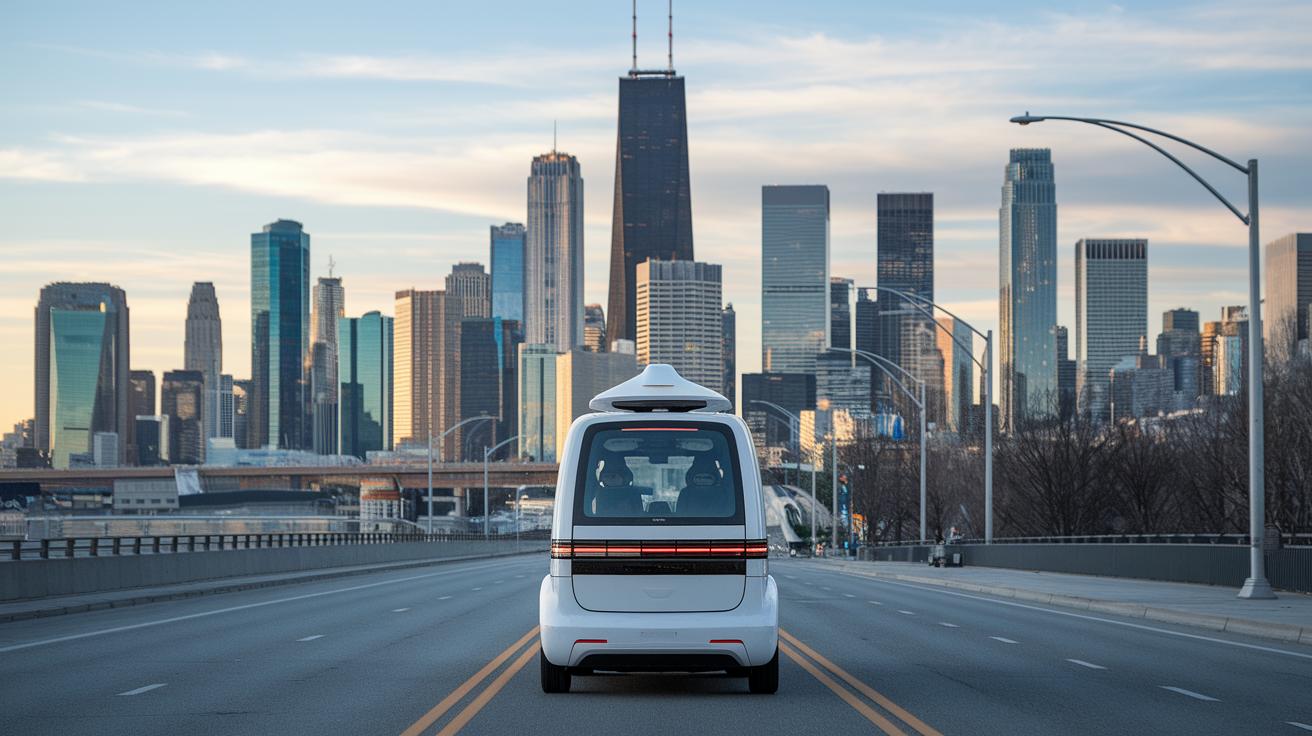
A new report from IDTechEx shows the robotaxi market is really heating up. Competition is fierce around the world and revenue estimates are reaching billions as companies boost their operations in the U.S., China, and Europe. More drivers, sharper tech, and fresh service ideas are coming quicker than many thought. It’s exciting to see how these changes might not only change our daily rides but also shake up how companies battle for the top spot in driverless tech.
In Japan, big trials for Level 4 long-haul trucks led by Yamato, MFTBC, and TIER IV are planned for 2026. These trials hint that commercial rollouts on major routes might be just around the corner. At the same time, Mobileye’s plan, which includes a new modular ECU series and the latest EyeQ™6HH integration, points to automakers switching to more flexible hardware designs by 2027. Basically, all these upgrades are paving the way for smarter, more reliable vehicles on our roads.
Still, there are challenges ahead. Building public trust and aligning rules across regions will play a big part in how smoothly and quickly autonomous vehicles become part of everyday life.
Final Words
In the action, we covered headline tests, tech upgrades, policy shifts, and key partnerships shaping today’s AV landscape. The post shed light on pilot programs, investment trends, and safety innovations that are driving both urban trials and commercial deployments.
Every update we shared brings a fresh take on the fast-paced world of autonomous vehicles news. With exciting tech breakthroughs and bold regulatory moves behind the wheel, there's plenty here to keep any car fan inspired and ready for what's coming next.
FAQ
Q: What is the latest news on autonomous vehicles including Tesla updates and events in 2022?
A: The latest news on autonomous vehicles covers real-time technology breakthroughs, regulatory changes, and insights from Tesla updates and key events in 2022. These updates help keep you informed on industry progress.
Q: What defines self-driving cars?
A: Self-driving cars refer to vehicles that use sensors, cameras, and smart software to navigate without human input. This technology offers smoother rides and evolving safety features while new advances continue to improve performance.
Q: What sources offer self-driving cars articles and BBC driverless cars coverage?
A: Self-driving cars articles and BBC driverless cars coverage provide clear insights into testing, safety enhancements, and policy shifts. These trusted sources deliver practical updates to help enthusiasts track innovation in autonomous technology.
Q: What are the advantages and disadvantages of driverless cars?
A: Driverless cars offer benefits like improved safety and efficient travel while also facing challenges such as technology reliability and regulatory uncertainty. Both sides matter as the industry works to refine autonomous systems.
Q: What does driverless car reading involve?
A: Driverless car reading involves exploring articles and research that detail autonomous technology, safety updates, and industry trends. This content makes complex advances in car autonomy easier to understand and follow.