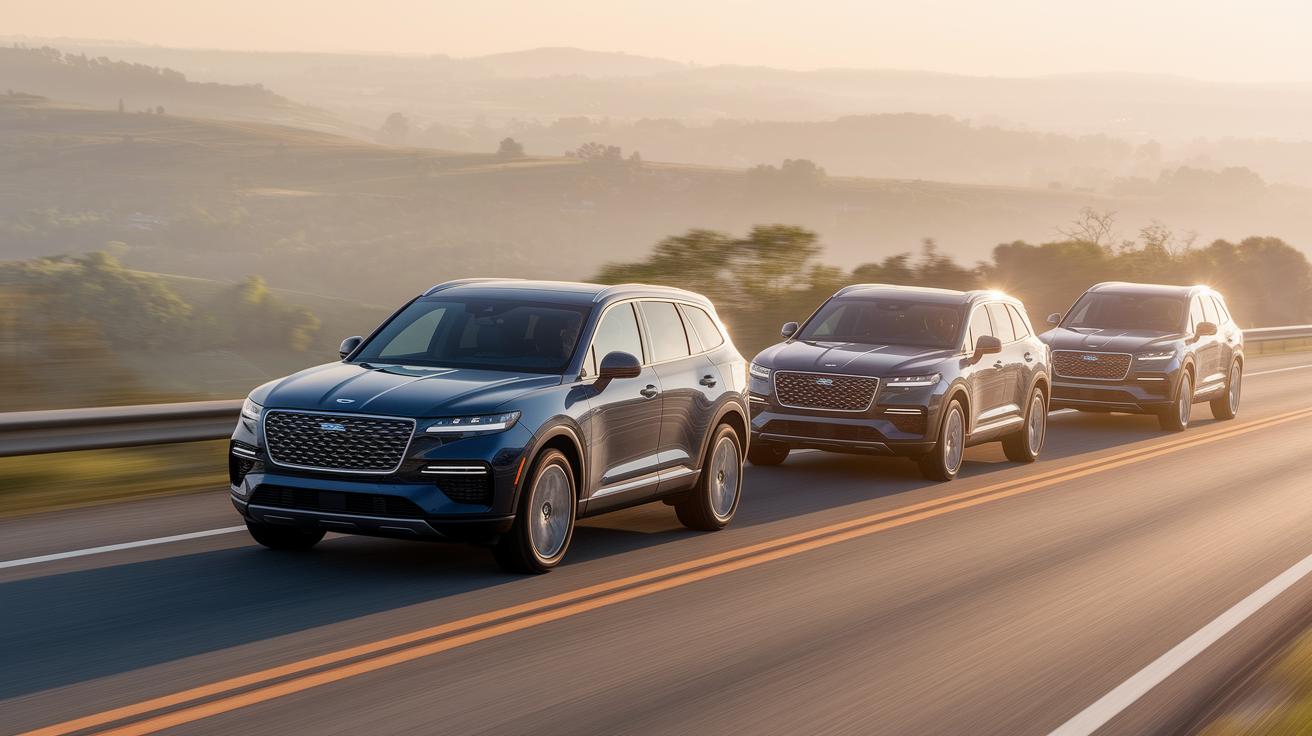
Reliability Ratings and Maintenance Costs in Hybrid Car Reviews

The Honda CR-V Hybrid really stands out with its proven powertrain that rarely gives trouble. Even early reports from owners show minimal issues, and the 8-year/100,000-mile battery warranty gives a lot of peace of mind. Owners love how smooth it runs and how low the maintenance costs are during routine checks.
Toyota’s RAV4 Hybrid brings a fresh propulsion system that makes city driving efficient and fun. Sure, a hard push on the accelerator might cause a slight steering vibration now and then, but Toyota’s 10,000-mile service schedule keeps things predictable and affordable.
The Mazda CX-50 Hybrid, with its all-wheel drive and upscale features, might see a bit more wear on brakes and tires over time, which can increase service costs a little. On the flip side, the updated 2024 MG HS impresses with cool new vehicle-to-load tech and solid battery life. Still, we don’t have long-term data yet on these features.
Each of these models has its own service needs that buyers should think about. Looking at early reliability feedback along with regular maintenance schedules and costs is key when you’re considering a hybrid for the long haul.
Regular checks, like keeping an eye on the battery, brakes, and tires, are essential to ensure these hybrids stay reliable and economical over time.
Cost Analysis and Ownership Value in Hybrid Car Reviews Hybrids
When you look at the numbers, each car tells its own story. For example, the Omoda 9 is priced around £45,000, while the Tiggo 9 shows up a few thousand pounds lower, yet they both offer a similar range in electric driving. The VW Golf eHybrid and the Passat estate fall in the low-to-mid £40,000 range, and the Audi A3 TFSI e keeps up with those figures.
Picture this: a car like the MG HS, starting at just £31,500 and packed with electric range plus smart features. Then there’s the Honda CR-V Hybrid at $45,605, the Mazda CX-50 Premium Plus at $42,140, and the base Toyota RAV4 Hybrid at $36,840. This spread gives buyers plenty of choices depending on their budget.
Breaking down the costs is more than just the sticker price. You also have to think about financing, insurance, and routine maintenance. Some high-end models, like those from Mercedes or Porsche, might come with a steeper price tag at first but tend to hold their value better over time.
And let’s not forget trade-in values. Knowing how much a car might depreciate helps you balance the upfront cost with what you might get later when it’s time to sell. This blend of price, depreciation, and future resale value offers a complete picture that can really guide every hybrid buyer.

The Subaru Forester Hybrid is built for those who love an off-road adventure. Its all-wheel drive, higher stance, and smart design help it stick to bumpy, unpaved trails. The interior is straightforward and made to last, giving you a reliable ride on uneven ground.
Mazda CX-50 Hybrid feels right at home on winding roads. With a chassis tuned for curves, a low center of gravity, and a smooth suspension, it handles twisty routes with precision. The upgraded tech in the cabin adds a modern touch, even if the back seats can feel a bit tight. It reminds you of swapping a sedan's smooth ride for the nimble feel of an SUV.
Toyota RAV4 Hybrid stands out with solid on-road balance while sneaking in a bit of off-road grit. Its design, borrowed from traditional SUVs, means it offers firm stability on city streets and dirt trails alike. The improved hybrid system enhances grip and control, though you might notice a slight vibration in the cabin when it's fully loaded. It’s a ride that balances comfort with a hint of adventure.
Honda CR-V Hybrid brings together city comfort and a bit of rugged charm. Its newly reworked chassis and SUV design make it a smooth performer on both urban roads and lightly rough paths. Add an option for a seven-seat layout, and it blends extra room with a playful, responsive drive. This car adapts to whatever road you throw its way.
Luxury and Plug-In Hybrid Comparisons in Car Reviews Hybrids
The Porsche 911 Turbo S E-Hybrid (2026) is a true thrill machine. Imagine feeling a burst of energy that gets you from 0 to 60 mph in under 3 seconds. It even has cool EV modes so you can enjoy that smooth electric vibe before switching to petrol power. Pretty neat, right?
Next up is the Mercedes-AMG GT 63 S E. Known as the fastest AMG ever tested, this car rockets from 0 to 60 mph in about 3.2 seconds. It comes with an extra boost thanks to its high EV assist, making even a stoplight feel like the start of something big.
Then, there’s the Mercedes-AMG CLE53 Cabriolet and the E53 Wagon. These models mix safety with performance. They give you a surge similar to a V-8 engine while keeping the trunk spacious enough for your everyday needs. Whether you’re enjoying a sunny day drive in a convertible or heading out in a roomy wagon, you won’t miss out on the power.
Finally, the Porsche Panamera 4S E-Hybrid shows off a perfect blend of battery and petrol. It shifts smoothly from an electric hum to a roaring engine, reaching 0 to 62 mph in roughly 3.8 seconds. It feels like flipping a switch, first calm, then pure adrenaline.
Each of these models proves that luxury doesn’t have to be at odds with performance. They cater to drivers who love excitement but also value the comfort of everyday driving.
Real-World Driving and Owner Feedback in Hybrid Car Reviews Hybrids

Many hybrid car owners have shared some cool, everyday experiences. A lot of them rave about the Honda Civic Hybrid because its regenerative braking system makes stopping feel smooth and effortless. One driver said it almost seems like the car knows when you want to slow down, which is why the Civic Hybrid Hatchback is often recommended.
Drivers have even compared the 2026 RAV4 and the CR-V in a friendly showdown. The RAV4’s electric modes are loved for making city drives really efficient and quiet, almost like gliding on a calm stream. Meanwhile, the CR-V stands out for its comfort on long trips, making it a top choice for daily commutes and weekend getaways.
Owners of the Mercedes-AMG E53 Wagon also report a high-energy, sporty drive that doesn’t come with the high fuel costs you usually expect from a V-8. These real-world impressions show that you can have both style and practicality in a hybrid for daily driving.
Eco-Friendly Hybrid Assessments and Environmental Impact in Car Reviews Hybrids
Hybrid cars show us that great fuel economy and lower emissions can work hand in hand. Take the Audi Q3 e-hybrid, for example, it gets around 134 miles per gallon and produces just 39 grams of CO₂ per kilometer. Then there's the Renault Rafale E-Tech 300, which offers a 65-mile electric range while still being very fuel efficient. And the Mercedes GLE 400e? It cuts its tailpipe emissions by about 70% on mixed driving routes, though it means a little less seating space.
Some models bring extra eco-friendly benefits into the mix. The BYD Seal U DM-i, for instance, rides on electric power for nearly 90% of everyday trips. Imagine driving through town with your car mostly on electric, saving fuel and reducing exhaust with every twist and turn. This fresh view blends performance details with green benefits without rehashing old stats.
Final Words
In the action, we explored top hybrid models, comparing power, efficiency, and long-term ownership. We broke down driving dynamics, fuel economy, and reliability ratings with clear, hands-on insights. We also weighed cost factors and even took a look at eco-friendly contributions. This guide offers an honest look at today’s car reviews hybrids, making it easier to know what to expect when choosing your next ride. Every detail adds up, leaving us feeling positive and ready to hit the road.
FAQ
Which hybrid cars are leading for 2025 and 2026?
The leading hybrid cars for 2025 and 2026 include models like the Honda Civic Hybrid, Honda CR-V in petrol and hybrid variants, and the Honda Accord, combining updated technology with impressive fuel efficiency.
What do Toyota car reviews say about their hybrid models?
Toyota car reviews for hybrids highlight reliable systems, smooth handling, and efficient powertrains that support everyday driving, making these models a practical choice for daily commuting.
What advantages and disadvantages come with hybrid cars?
Hybrid cars offer fuel savings and reduced emissions while sometimes costing more upfront and requiring extra care in maintenance, balancing modern technology with eco-friendly benefits.
How do I choose from the hybrid cars list and best used hybrid options?
A solid hybrid cars list focuses on models with good efficiency, reliability, and value, while the best used hybrid cars have passed inspections for battery life and timely service records.
Which luxury hybrid cars stand out?
Luxury hybrid cars stand out by blending premium interiors, advanced technology, and strong performance, offering a refined driving experience with an excellent electric-only range.
Which hybrid vehicle is most reliable?
The Honda CR-V Hybrid is known for its reliability, as it features a smooth ride, a robust powertrain, and minimal early issues along with a strong warranty for added peace of mind.
What is the main disadvantage of a hybrid car?
The main disadvantage of a hybrid car is its typically higher upfront cost combined with occasional maintenance complexity, though these factors are often offset by fuel savings over time.
Which hybrid car is the best to buy?
The best hybrid car to buy depends on your priorities, but many favor the Honda CR-V Hybrid for its balanced mix of performance, efficiency, and low maintenance compared to other popular models.
Is it really worth buying a hybrid car?
Buying a hybrid car is worth considering if you value fuel economy, lower emissions, and modern technology, making them a smart choice for both city driving and longer trips.
Stay in touch
To be updated with all the latest news, offers and special announcements.