
Ever wonder if your car might have a secret problem? Car recalls aren’t just small warnings, they are important fixes that keep you safe on the road. Recent updates have pointed out issues with brakes and airbags, so it's smart to stay informed. A quick check using your VIN can tell you if your ride needs attention. This guide breaks down the steps so you can drive with confidence and peace of mind.
How to Check Your Car for Recalls
First, find your Vehicle Identification Number (VIN). You can usually spot it on the dashboard near the windshield or on the driver’s side door frame. This number is like your car’s personal ID, it’s needed for a free online safety check that looks for defects.
Next, head over to the NHTSA recall lookup page or your car maker’s official site. These sites let you search for recalls by simply entering your VIN. They show campaign IDs and list the production batches that might be affected. Ever noticed a campaign ID? It tells you which groups of cars might have an issue.
If you like, you can also use third-party online tools for a vehicle ID check. But even these will point you back to the manufacturer’s recall info. You might see alerts like “Recall issued for defective brake components” or warnings about airbag issues. Plus, they include contact details for recall hotlines, so you can call for more help if you need it.
Finally, take a moment to review any recent recall bulletins or updates from your car maker. A good recall record will list which parts are affected and guide you on what to do. Keep your VIN handy for a quick, free safety check whenever you need it.
Anatomy of Car Recall Notices
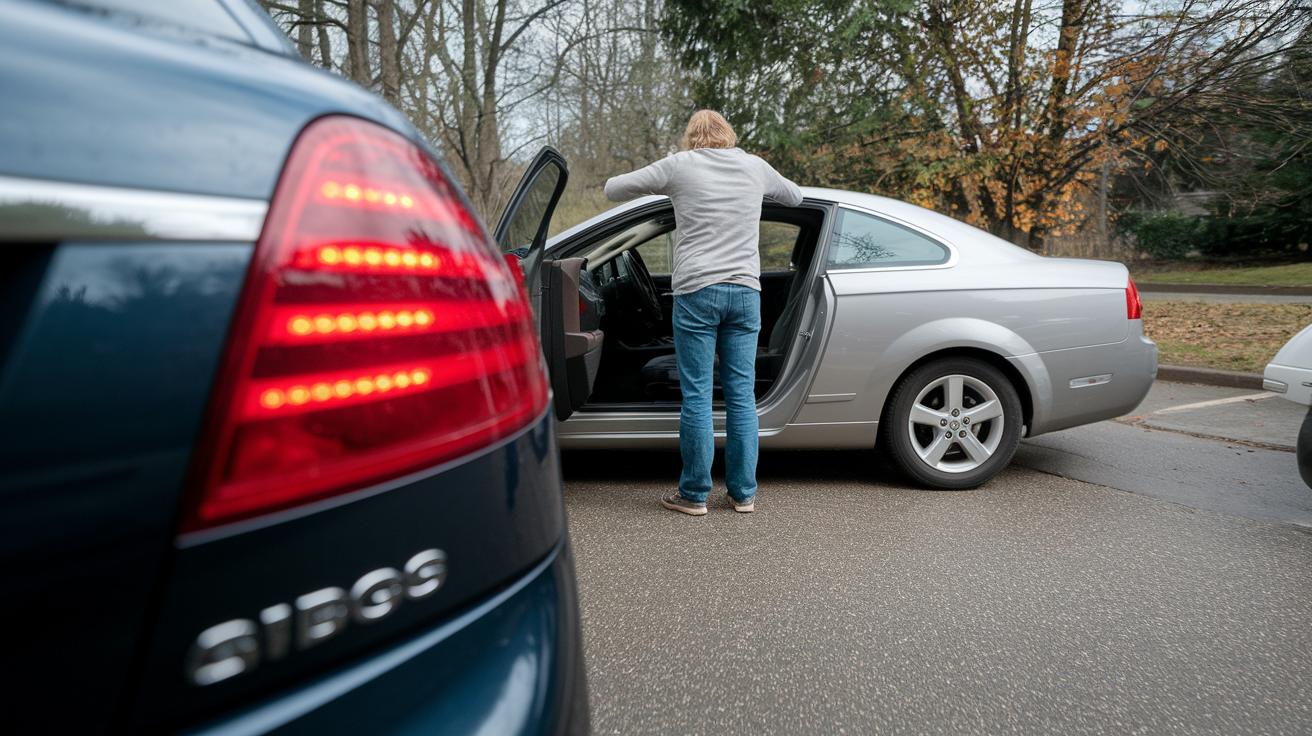
Recall notices are official alerts that warn you about potential safety risks right away. They often mention a specific part fault, like an airbag that might not work when you need it most. For example, you might see something like, "Airbag may not deploy on impact – check your VIN immediately." This clear message helps you figure out if your car might be affected.
After the initial alert, the notice goes into detail about the safety problem in plain, easy-to-understand language. It might explain issues with brakes or electrical systems, and sometimes it even includes simple stats. For instance, a notice could read, "Campaign ID 9876 – Affected 2018 to 2020 models with brake issues reported in 2% of cases." This kind of information helps you quickly grasp the situation.
The notice also lists out defect details, including the date it was issued and the affected model years and VIN ranges. It sums up the problem in just a few lines so you can spot the recall ID and see which parts or batches might be faulty. All these details work together to make sure every car owner understands the safety risk and knows what to do next.
Major Automakers and Recent Car Recall Trends
Over the past five years, car makers have really stepped up their safety game with recall notices. For instance, Toyota has flagged more than 1.2 million vehicles for airbag inflator issues. If you're driving a Toyota, it's smart to check your airbags to make sure they’ll kick in properly during a crash.
Ford has reported transmission problems in about 600,000 trucks. In tough driving conditions or under heavy loads, those faulty parts might act up. Ford is giving truck owners helpful tips, so they can get repairs done before any safety issues pop up.
Nissan has taken a close look at fuel system alerts in cars made between 2018 and 2020. Their recalls walk you through the inspection process step by step. This way, if your fuel system needs a little extra care, you’re well informed on how to handle it.
Chevy, too, has issued updates for select SUVs about steering problems. Since a smooth, responsive steering system is key to safe driving, they’re urging owners to get their vehicles checked to confirm everything’s in tip-top shape.
Kia and Hyundai have also shared alerts, ranging from issues with seat-belt buckles to other component hiccups. These updates remind us that even the smaller parts are important for keeping everyone safe on the road.
Global statistics show an increase in complaints about electrical components, too. Car manufacturers around the world are doubling down on checking and fixing these issues early so that drivers stay out of harm’s way.
All in all, these recall trends show a strong push toward safer roads. Each recall is not just an alert about a defect; it’s a clear set of steps for car owners to follow, making driving a little safer for everyone.
Step-by-Step Car Recall Repair Process

When a recall is confirmed, the automaker sends clear repair instructions. You’ll be told to book a free appointment at an authorized dealer, which gets the repair process rolling right away.
At the dealer, skilled technicians follow a detailed checklist. They inspect and replace any faulty parts, like airbags, brake lines, and wiring. For example, you might see a note saying, "Check the airbag’s sensor and replace it if needed." They review every part carefully and then do a complete quality check to make sure everything runs smoothly.
Repair times can vary. Sometimes you’re back on the road the same day. Other times, if parts aren’t readily available, repairs might take up to a week. No matter what, you’ll get regular updates by email or text to keep you informed every step of the way.
If you’re looking for more tips on post-recall care, check out our car repair guides. This clear, step-by-step approach with ongoing updates makes the whole process easy to follow, so you always know what to expect.
How to Stay Updated on Car Recall Alerts
Recall databases update every day with fresh safety alerts. This means if you keep an eye on them, you won’t miss an important update. Manufacturers and NHTSA (that’s the National Highway Traffic Safety Administration) send out newsletters every week with details on any defective parts or repairs needed. Signing up for email or text notifications is a quick and easy way to stay informed.
You can also follow automaker social feeds or use RSS tools to get recall alerts sent straight to your device. In fact, studies show that email alerts can drive a 75% owner response rate in just two weeks. That really shows how fast you can act when you get a heads-up.
There’s also an online archive that lets you look back at safety alerts from over 10 years. Browsing the archive might help you spot patterns or recurring issues with certain models, so you can better understand your car’s safety history.
Setting up these notifications is simple. Just plug your email or phone number into the manufacturer’s website or the NHTSA portal. By checking these sources regularly, you can keep your car safe and stay ahead of any new recall trends.
Car Recall FAQ and Owner Resources

Have questions about whether your car’s recall repair is all sorted out? You might be wondering how to check if the fix has been properly recorded on your VIN. It’s really simple, just use the NHTSA recall lookup. Enter your VIN on their online tool and it will show you if the repair is complete, along with service dates and details.
Many owners also ask about booking dealer repairs, what the warranty covers, and what to do if a dealership takes too long. Most recall reminders come with a handy FAQ that walks you through each step, from scheduling a free service appointment to figuring out how long the repair might take. For instance, if parts are in short supply, the repair could last a few days, and the FAQ will also mention if the work falls under warranty.
If you’re still not sure about your repair’s status, don’t fret. The automaker’s consumer support resources are there to help. A quick call to their hotline can set things straight, as the representatives can explain the review process and let you know exactly when the recall service was logged on your VIN.
Before you buy a car, especially a used one, it’s smart to run through your buyer safety checklist. Make sure there are no open recalls on the vehicle, and if you have any doubts, ask the seller or the dealer for the latest recall records. This little step can really help keep you safe and make sure all the necessary safety updates are in place before you take off.
Final Words
In the action, we broke down how to check your car for recalls using VIN lookups, manufacturer alerts, and clear repair steps. We explained recall notices, what to look for, and where to get prompt help when needed. We also showed how to stay updated with real-time alerts and resource tips, making it easier to keep your vehicle safe.
Staying on top of car recalls helps you make smart choices. It brings peace of mind every time you hit the road.
FAQ
How can I check car recalls by VIN, including a free recall check and verifying all recalls on my car?
Using your VIN for a recall check means you enter your car’s unique number into NHTSA or manufacturer sites. This lookup provides a record of any active recalls related to your vehicle.
What does it mean to search vehicle recalls by manufacturer, like Toyota car recalls or NHTSA listings?
Searching by manufacturer means browsing recall notices published by automakers and NHTSA. This method gives you a full list of recalls, including recent safety alerts and detailed defect descriptions.
What cars are on recall right now?
Finding out which cars are recalled involves checking updated databases from automakers and NHTSA. These sources highlight current safety alerts and models affected by technical defects.
Which vehicle has the most recalls?
Some vehicles repeatedly face issues, leading to more recall campaigns than others. Typically, high-production models from major brands show higher recall numbers, so review official records for the latest details.
Which vehicles have had no recalls?
While some models may show no recall history, it doesn’t always ensure perfect safety. Always verify with up-to-date recall databases before making a buying decision.