
After spending most of 2023 in the shadows, several niche corners of India’s equity market appear ready to spring back to life. Analysts tracking rotation cycles—the pattern in which neglected industries suddenly regain investor favor—are flagging four sectors that have quietly cleaned up their balance sheets, boosted margins, and lined up new orders. From car-part makers riding the EV boom to speciality refractory suppliers benefiting from steel capacity additions, the next leg of outperformance may come from unexpected places. Below, we break down why each group is worth a second look (but remember, this isn’t a buy call).
Auto-Ancillary Makers Gear Up for an EV-Fueled Comeback

Spare-parts manufacturers tend to lag whenever original-equipment sales slow, and that’s exactly what happened through much of last year. Now, demand for scooters, SUVs and, crucially, electric two-wheelers is rebounding, giving ancillary specialists fresh tailwinds. NDR Auto Component’s expanded forging capacity, Precision Pistons’ lightweight aluminium blocks, SJS Enterprises’ premium interior trims, Uno Minda’s sensor-rich lighting systems and Fiem Industries’ LED modules all stand to benefit. Margins have stabilised as raw-material inflation cools, while export orders from Southeast Asia are ticking up. Add in the government’s PLI scheme for EV parts, and the stage may be set for a multi-quarter roll-up in valuations.
IT Product Firms Tap the Next Wave of Digital Spending

Enterprise tech budgets are no longer focused solely on cost cuts; CIOs are again green-lighting innovation projects. That’s good news for mid-cap product companies like Intellect Design Arena and Affle India. Intellect’s platform-as-a-service banking stack is signing multi-year deals across the Middle East, while Affle’s AI-driven ad-tech engine enjoys rising conversion rates as e-commerce penetration deepens. Both firms boast over 20 percent EBITDA margins and asset-light models, meaning incremental revenue drops swiftly to the bottom line. If the U.S. Federal Reserve eases up on rates, the resulting capex surge could add another layer of upside for these scalable software vendors.
Refractory Suppliers Reinvent Themselves for Green Steel
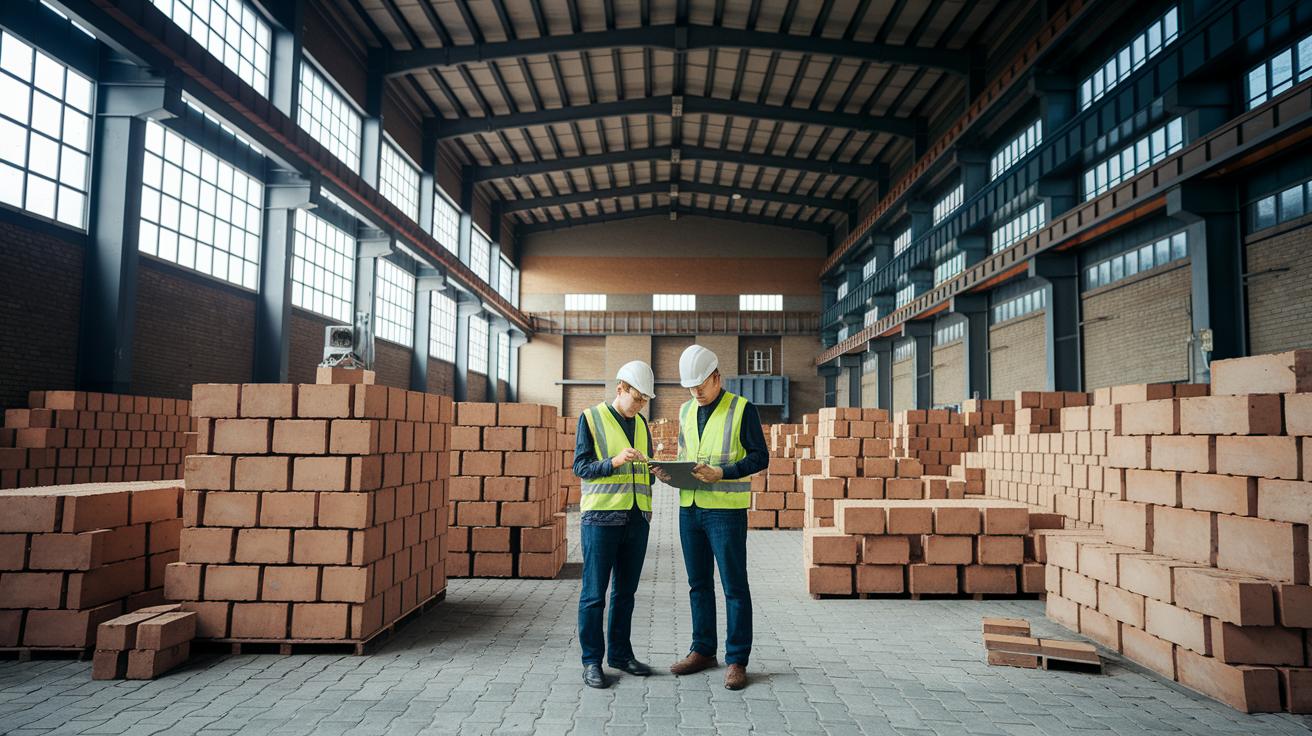
Refractories, heat-resistant bricks and coatings used inside blast furnaces, rarely make headlines, but they’re indispensable to steel and cement plants. With India slated to double steel capacity to 300 MT by 2030, demand for high-grade refractories from Vesuvius India, IFGL Refractories and RHI Magnesita could spike. Import bans on low-quality Chinese bricks further tighten supply. Meanwhile, green-steel initiatives require newer, more durable linings that withstand hydrogen fuel. The trio has invested in domestic manufacturing hubs, which helps skirt logistics bottlenecks and boosts pricing power. Earnings may stay lumpy quarter-to-quarter, yet the long-term order book looks robust and under-appreciated.
Wires & Cables Ride the Infrastructure Supercycle
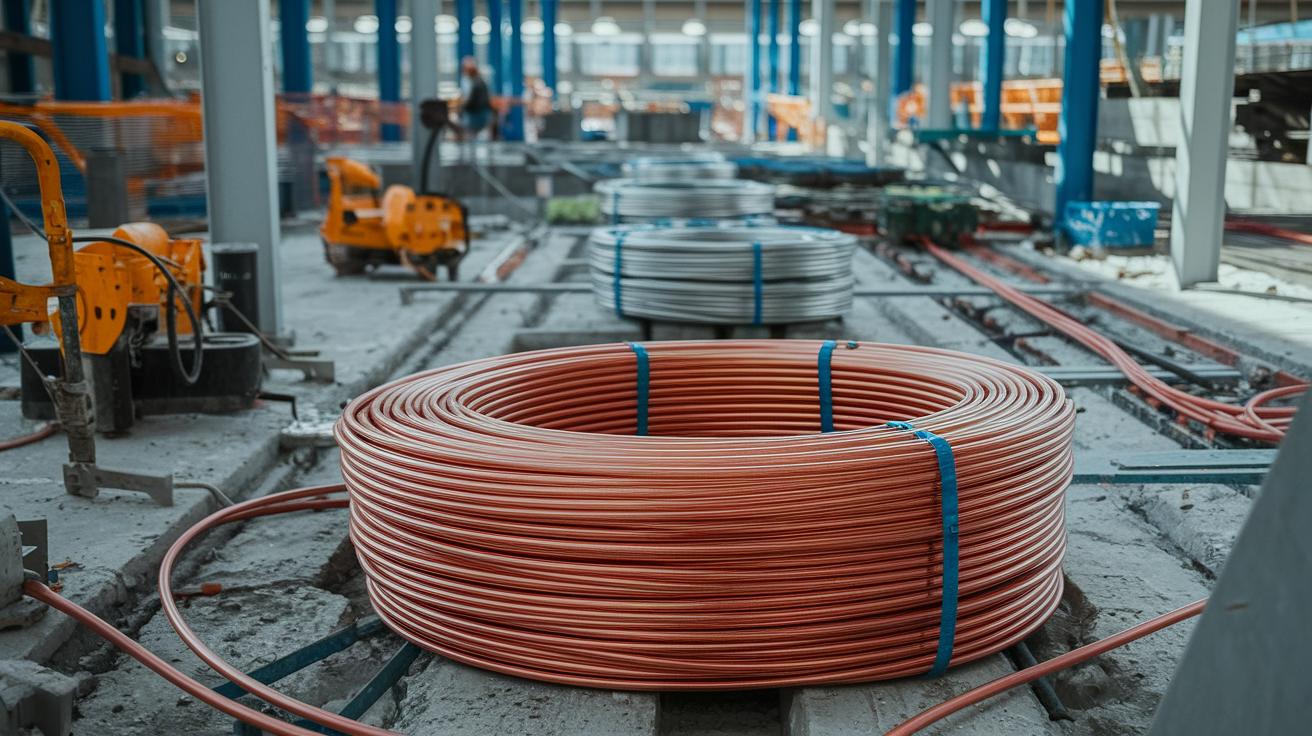
Behind every metro extension, data-center build-out or rooftop solar farm lies kilometres of copper and aluminium wiring. Government infra spending and real-estate completions are accelerating, and Dynamic Cables along with newly listed RR Kabel sit in the sweet spot. Both report double-digit volume growth and are moving up the value chain with fire-resistant, halogen-free offerings that command premium pricing. A softer London Metal Exchange copper curve also shields margins. Add in the electrification of rural households and the rollout of 5G towers, and you have a top-line story that could run well beyond the current fiscal year.